
Well, we’ve made it to the final day of our 7-day Spring series. It’s been a proper busy week here at Heat Eco Building Services, starting with those boiler checks in Farnham and moving through everything from pool pumps to kitchen fits. Today, we’re wrapping things up with the big one: sustainable home extensions.
If you live in Guildford, you know the drill. We love our homes, but sometimes they just feel a bit tight, especially when the family starts growing or you finally decide you need that "work from home" office that isn't just the corner of the dining table. But here is the thing: building an extension shouldn't mean you have to ignore your carbon footprint. You can have that extra room and still be kind to the planet. We do it all the time for our clients, and honestly, the results speak for themselves.
Who wants a cold, drafty room that costs a fortune to heat anyway? Nobody. So, here’s our easy guide on how to plan your Guildford extension the eco-friendly way.
Step 1: Start with Sustainable Materials (Don’t just buy whatever’s cheapest)
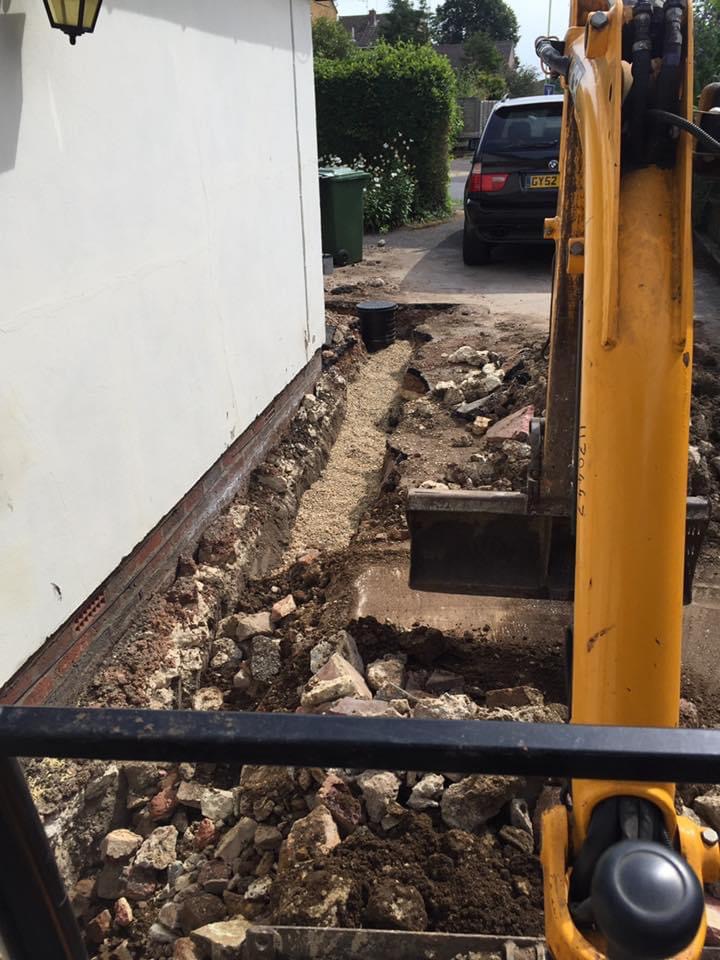
When we start digging the foundations, the first thing people think about is "how much is the concrete?" But if you want to stay eco-friendly, you’ve got to look at the "embodied carbon" in your materials. That’s just a fancy way of saying how much energy it took to make the stuff.
We always suggest looking at reclaimed bricks if you’re matching an older Guildford property. Not only do they look better and blend in with the original house, but they’ve already been made once, so you aren't using up new energy. Then there is the timber. Always go for FSC-certified wood. It means it’s come from forests that are managed properly.
We’ve also been doing a lot of work lately with affordable and eco-friendly outside cladding. It’s a great way to give an extension a modern look while adding an extra layer of protection. Insulation is another biggie. Instead of the old-school stuff, look into wood fibre or sheep's wool insulation. It sounds a bit "back to nature," but it’s incredibly effective at keeping the heat in.
Step 2: Energy Efficiency and the "Magic" of Underfloor Heating
If there’s one thing we know at Heat Eco, it’s heating. You can build the most beautiful extension in Surrey, but if you put a couple of old, inefficient radiators in there, you’re missing a massive trick.
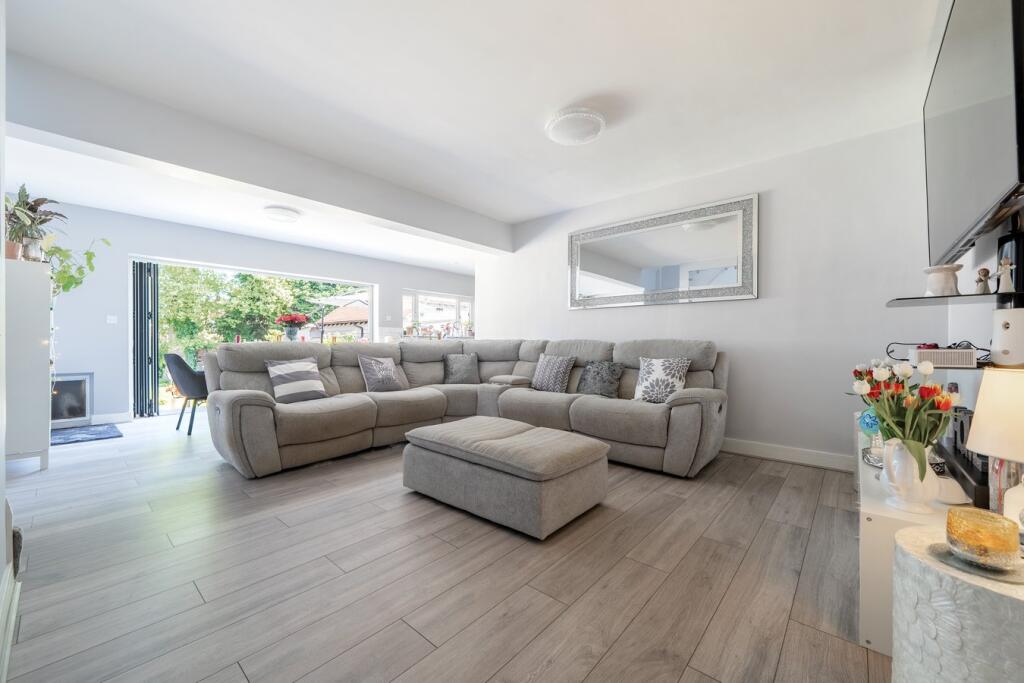
For an eco-friendly extension, you really want to be looking at an electric heat pump system. They are much more efficient than gas boilers for new builds. And the best partner for a heat pump? Underfloor heating. Because underfloor heating covers a larger surface area, it doesn't need to get as hot as a radiator to warm the room. It’s a low-temperature system that keeps your toes toasty and your energy bills low.
We’ve put together an in-depth guide to wet underfloor heating if you want to see how the technical side works. It’s basically the gold standard for extensions these days. No ugly radiators taking up wall space, just nice, even heat.
Step 3: Let the Sun Do the Work (Natural Light)
One of the biggest mistakes people make with extensions is not thinking about where the sun is. In Guildford, we get some lovely sunshine (well, when it’s not raining), and you can use that to heat your home for free. This is called "passive solar gain."
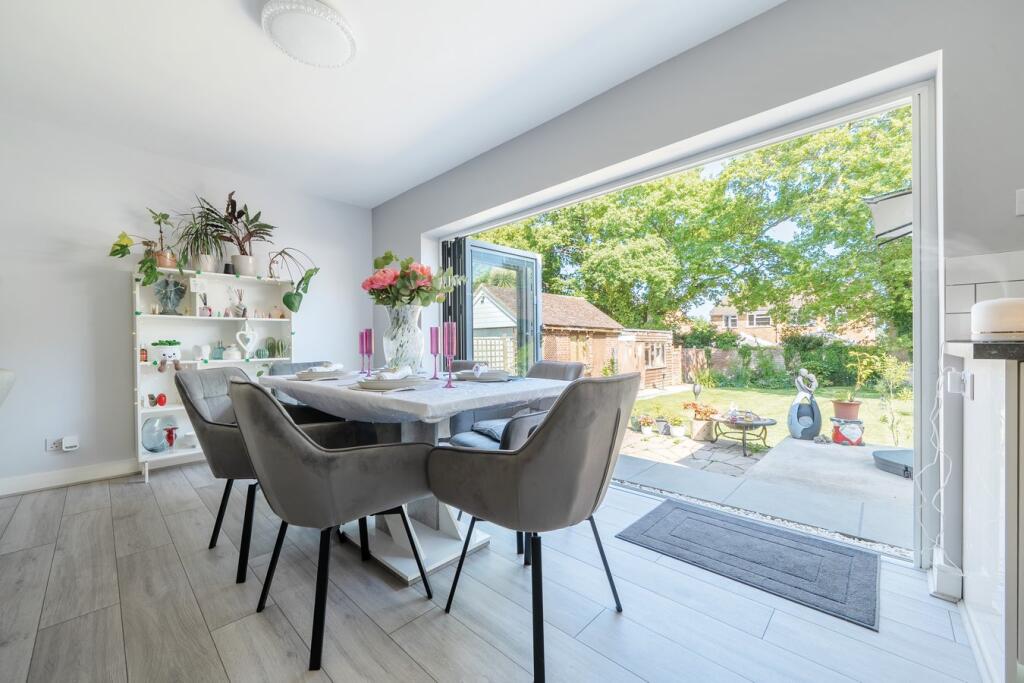
You want large, high-performance double or triple-glazed windows. Bi-fold doors are a huge favorite for our clients because they let in so much light and really open the house up to the garden. But you’ve got to be careful: too much glass without the right coating and you’ll be sitting in a greenhouse in August.
We always recommend energy-efficient windows that have a low-E coating. This reflects heat back into the room in winter but keeps the worst of the summer heat out. It’s all about balance.
Step 4: Making the Space Actually Work for You
There’s no point building 20 square meters of space if you can’t use it properly. That’s just a waste of materials. When we sit down with homeowners, we ask: "What is this room actually for?"
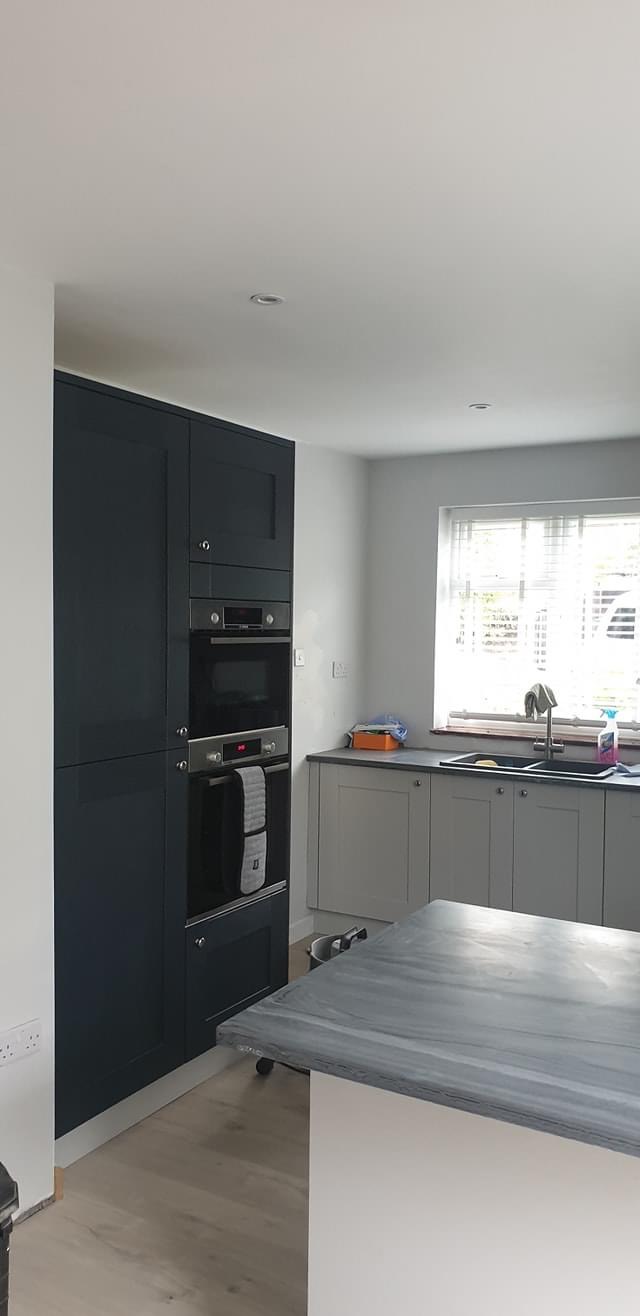
Often, it’s a kitchen-diner. If you’re moving your kitchen into the new extension, that’s the perfect time to go green with your appliances. Induction hobs are way more efficient than gas, and they’re easier to clean too. We’ve seen some stunning kitchen transformations where we’ve integrated low-energy lighting and water-saving taps that really make a difference over a year.
Think about the flow of the house too. Does the extension make the rest of the ground floor dark? Maybe add a roof light. Does it provide enough storage so you aren't constantly buying more furniture? Good design is eco-friendly because it means you won't need to change things again in five years' time.
Step 5: Don’t Ignore the Planning and Regulations
Guildford is a beautiful place, but the planning department can be a bit… particular. Especially if you live in a conservation area or a listed building. This is where you need professionals who actually know the local landscape.
We always tell people to check their "Permitted Development" rights first. You might be able to build a decent-sized extension without a full planning application, which saves a lot of time and stress. But even if you don't need planning, you always need building regs. This is where the eco-stuff is actually enforced: minimum insulation levels, ventilation, and structural safety.
Working with a team like ours means you don't have to worry about the paperwork. We know what the inspectors are looking for, especially when it comes to new green tech. We've helped plenty of neighbors around here navigate the rules while making sure their home is ready for the future.
Keeping Your Extension in Tip-Top Shape (Spring Maintenance)
Since this is the end of our Spring prep series, we can't let you go without talking about maintenance. Even the best eco-extension needs a bit of love.
Every Spring, you should be checking your flat roof for any pooling water or debris: trust me, a leaking flat roof is the last thing you want to deal with after spending money on a nice renovation. Clear out the gutters, check the seals on your new bi-folds, and if you’ve got a heat pump, make sure the outdoor unit isn't clogged with leaves from the winter.
It’s all about protecting your investment. A well-maintained home is a sustainable home because things last longer and run more efficiently.
Wrapping It Up
Planning an extension in Guildford doesn't have to be a headache. If you focus on good materials, smart heating like underfloor systems, and plenty of natural light, you'll end up with a space that’s better for you and better for the planet.
We’ve loved sharing these tips over the last seven days. From the emergency plumbing tips we talked about yesterday to the pool installs in Guildford earlier in the week, it’s all about making your home the best it can be.
If you’re thinking about an extension or just want to upgrade your heating to something more eco-friendly, give us a shout. We're a friendly bunch and we love talking through new projects. Whether it's a new kitchen, a bathroom wetroom, or a full-scale extension, we've got the expertise to get it done right.
Thanks for following along with our Spring series. Now, let's get outside and enjoy that April sunshine (while it lasts)!