
Look, we've been installing boilers around Farnham for years now and honestly, the amount of bodge jobs we've had to fix is staggering. People think boiler installation is straightforward, chuck it on the wall, connect a few pipes, job done. But there's so much more to it than that, and getting it wrong can cost you serious money, or worse, put your family at risk.
So let's talk about the seven biggest mistakes we see homeowners and even some cowboys making with boiler installation in Farnham, and more importantly, how to actually fix them.
1. Getting the Size Completely Wrong
This one drives us mad. Someone decides they need a new boiler, goes online, sees a "good deal" on a 35kW combi, and thinks brilliant, that'll do. Except their house only needs 24kW and now they've got a boiler that's short-cycling every ten minutes, wasting energy, and wearing itself out in half the time it should.
Or we see the opposite, someone buys the smallest, cheapest boiler they can find for a four-bedroom house in Farnham and then wonders why the radiators upstairs are lukewarm and the shower's pathetic.
The Fix: Get a proper heat loss calculation done. We measure your property, work out how much heat you actually need, factor in insulation levels, window types, room sizes, the lot. Then we spec the right boiler for YOUR home, not some generic recommendation off a forum.
2. Terrible Ventilation Setup
Carbon monoxide poisoning isn't something you want to mess about with. But we still see installations where the flue's been stuck too close to a window, or the vent's blocked by a plant pot, or someone's tried to vent a boiler into a cupboard with no air supply.
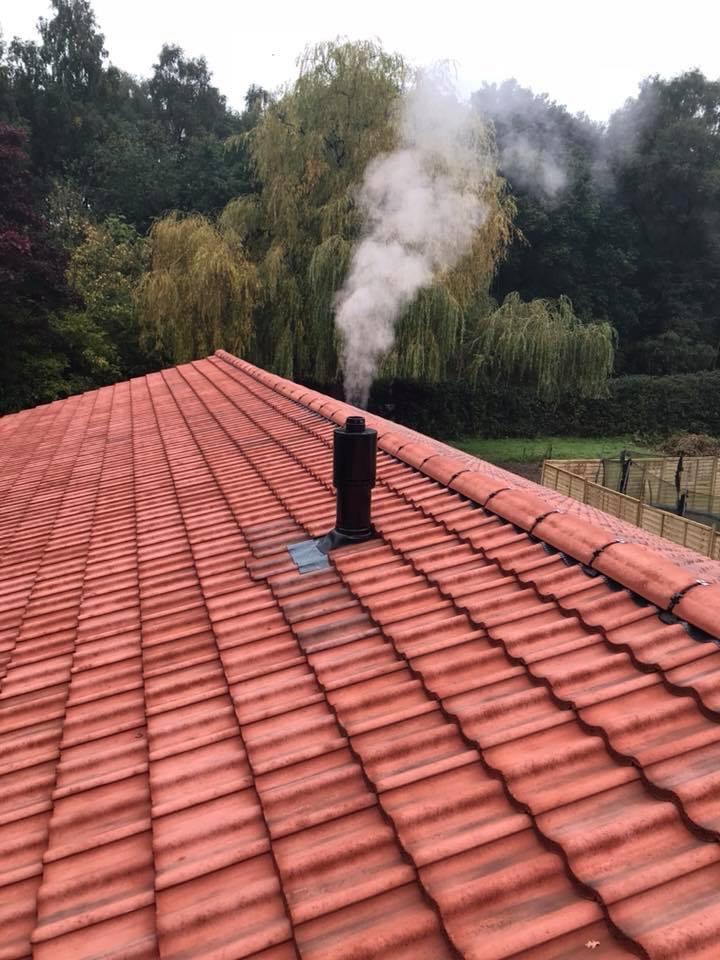
Farnham's full of older properties with quirky layouts, which makes proper ventilation even more critical. You can't just stick a boiler anywhere and hope for the best.
The Fix: Follow the manufacturer's specs to the letter. Flue terminals need to be a certain distance from windows, doors, air bricks, you name it. And if you've got a room-sealed boiler, make sure there's adequate combustion air supply. This is exactly why you need a Gas Safe engineer who knows what they're doing, it's literally life or death stuff.
3. Dodgy Piping Work
Oh, this one's a beauty. We've seen 2-inch pipes used where 2.5-inch should be, we've seen flow and return pipes crossed over, we've seen pipes that look like someone's done them after six pints at the pub.
Bad piping means poor circulation, cold spots in your house, airlocks, noise, and your boiler working way harder than it should. Plus it absolutely hammers your energy bills because the system's fighting itself the whole time.
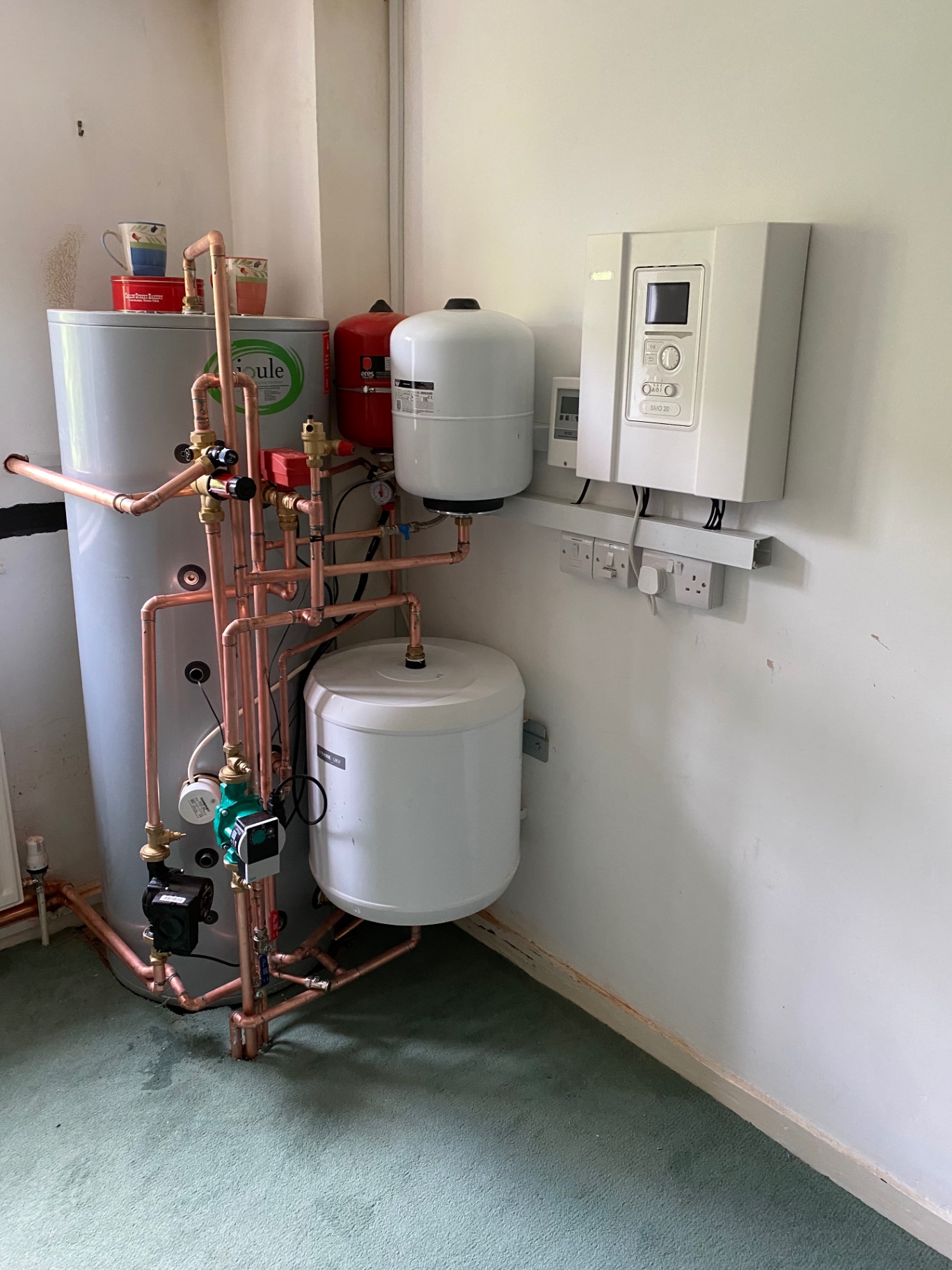
The Fix: Proper pipe sizing based on the boiler's BTU output and the system design. All pipework needs to be routed correctly, insulated properly (especially if it's running through cold spaces), and installed with the right fittings. There's no shortcuts here, do it right or expect problems.
4. Skipping Safety Controls and Devices
Pressure relief valves, temperature limiters, flame failure devices, these aren't optional extras, they're essential safety equipment. But we've turned up to jobs where half of them are missing or installed incorrectly.
Your boiler needs to be able to shut itself down safely if something goes wrong. Without proper controls, you're risking everything from leaks to fires.
The Fix: Every safety device gets installed and tested. Pressure relief valves get checked, thermostats get calibrated, and we make sure everything's talking to each other properly. Then we test the lot before we leave. Takes longer, costs more, keeps you safe.
5. Ignoring Insulation
We get it, insulation's boring. But when pipes aren't properly insulated, you're literally pouring money down the drain. Heat loss from uninsulated pipes in lofts, garages, or external walls can cost you hundreds a year.
Plus, uninsulated pipes are more likely to freeze in winter, and if you've ever dealt with a burst pipe in January, you'll know that's not fun.
The Fix: Insulate everything. Pipes, tanks, the boiler jacket if it needs it. Use proper pipe insulation that's thick enough and sealed at the joints. It pays for itself in energy savings within a couple of years anyway.
6. Not Providing Enough Combustion Air
Your boiler needs oxygen to burn gas efficiently. Stick it in a tiny cupboard with no ventilation and you'll get incomplete combustion, increased emissions, and a boiler that keeps cutting out.
This is especially common in Farnham's Victorian terraces where people are trying to squeeze boilers into airing cupboards or under stairs without thinking about air supply.
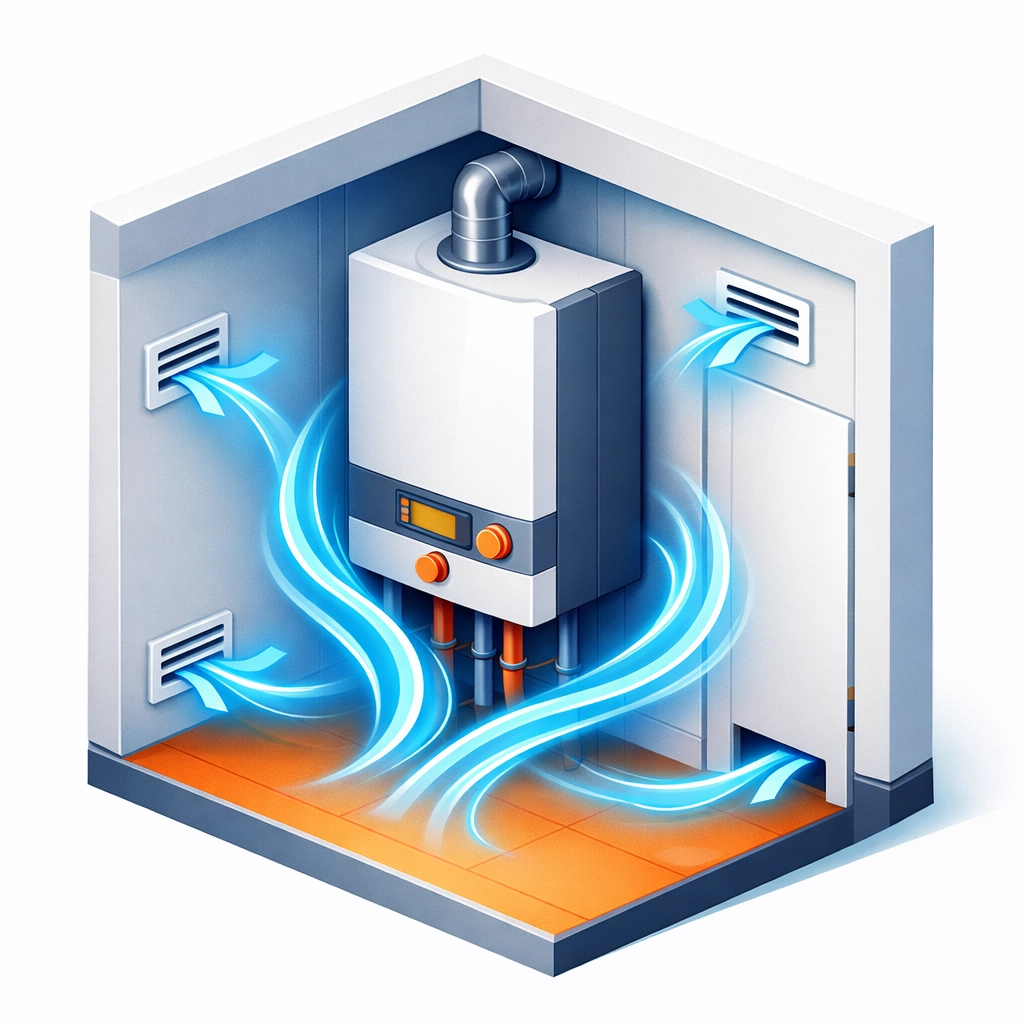
The Fix: Calculate the combustion air requirements based on the boiler's rating and the room volume. If there's not enough natural ventilation, you need to add it, either through air bricks or a mechanical vent. Building regs are pretty clear on this, ignore them at your peril.
7. Going Cheap with DIY or Cowboy Installers
This is the big one. Someone knows "a bloke" who'll do it cash-in-hand for half the price. Or they watch a YouTube video and think they can do it themselves. Then six months later we're there fixing leaks, replacing incorrectly installed parts, and basically starting from scratch.
Here's the thing, if your boiler installation isn't done by a Gas Safe registered engineer, your warranty's void, your home insurance might not pay out if something goes wrong, and you could be breaking the law.
The Fix: Use a proper Gas Safe registered engineer. Check their credentials, ask to see their Gas Safe card, get references from previous customers. Yes, it costs more upfront, but you're getting someone who knows building regs, safety standards, and actually has insurance if something goes wrong.
The Farnham Factor
Living around Farnham means dealing with everything from new-builds to listed buildings, which all have different requirements. The regulations change, technology improves, and what worked for your neighbour's house might not work for yours.
We've worked on everything from compact flats near the station to sprawling homes in the countryside, and every single installation needs to be designed properly for that specific property.
What We Actually Do
When Heat Eco installs a boiler, we're not just bolting something to a wall. We assess your property, calculate heat requirements, design the system, install it to manufacturer specs and building regs, test everything thoroughly, and show you how to use it properly.
Then we register it with Gas Safe, sort your warranty, and stick around for any questions. Because that's what a professional installation looks like.
If you're in Farnham, Farnborough, or Guildford and you're thinking about a new boiler, do yourself a favour: get it done right the first time. Your future self (and your energy bills) will thank you.
Call us for a proper chat about what you actually need, not what someone's trying to sell you. We've been doing this long enough to know the difference.