
We get asked this question almost every single day when we’re out on jobs in Farnham or chatting with homeowners over in Guildford. Everyone wants to go green, but nobody wants to be cold or broke, and that is a fair point if you ask me. If you’re building an eco-home or just trying to modernise your current place, the choice between a traditional gas boiler and an Air Source Heat Pump (ASHP) is probably the biggest decision you’ll make for your property this year.
In Surrey, we’ve got a real mix of homes. There’s the stunning new builds that are airtight as a drum, and then there’s the lovely old Victorian terraces that leak heat like a sieve. Which system you choose depends entirely on your house, your budget, and how much you care about that carbon footprint. Let's dig into the nitty-gritty of it all.
The Green Reality: Carbon Footprints Compared
If you're building an "eco-home," the word "gas" should probably be a bit of a red flag. Gas boilers work by burning fossil fuels right there in your kitchen or utility room. Even the best A-rated boilers emit about 2.0 tonnes of CO2 every single year. That’s a lot of carbon just to keep your toes warm.
On the flip side, air source heat pumps run on electricity. Now, I know what you’re thinking, electricity isn't always green. But the UK grid is changing fast. About 38% of our electricity is now zero-carbon, and that number is only going up. Because a heat pump doesn't "create" heat by burning stuff but instead moves heat from the outside air into your home, it’s incredibly clean. We’re talking 0 to 0.6 tonnes of CO2 a year. It’s a massive win for the planet, and honestly, if you want a true eco-home, the heat pump is the only way to go.
Efficiency: The 300% Rule
This is where people usually get confused. A modern gas boiler is about 90% to 94% efficient. That sounds good, right? It means for every pound you spend on gas, about 90p of it turns into actual heat for your radiators. But air source heat pumps play a different game. They have an efficiency rating of around 300%.
You might think that’s impossible, how can something be 300% efficient? Well, it’s because it’s not burning fuel. For every 1kW of electricity the pump uses to run the compressor, it pulls about 3kW of heat from the air outside. Even when it’s freezing cold in Surrey in the middle of January, there’s still heat energy in the air that these machines can grab. It’s basically magic, but with copper pipes and refrigerant.
Let’s Talk Money (Upfront and Long Term)
I’ll be honest with you, the upfront cost of a heat pump can be a bit of a shock. A standard boiler swap might cost you between £2,700 and £7,000 depending on the size of your house. A full air source heat pump installation? You’re looking at £10,000 to £25,000.
But wait, don't close the tab just yet. The government actually wants you to do this. The Boiler Upgrade Scheme (BUS) currently offers a £7,500 grant to help with the cost. That brings the price right down, making it much more competitive with a high-end boiler install. Plus, a heat pump lasts about 20 years or more if you look after it, whereas most boilers start acting up after 10 or 12 years.
Running costs are another thing. Electricity is more expensive per unit than gas: usually about four times more. So, if your house is drafty, a heat pump might actually cost you more to run. But in a well-insulated eco-home, the high efficiency of the pump balances it out. If you can get on an off-peak electricity tariff, you might even find your bills are lower than they were with gas. We always tell our clients to look at home improvement holistically: insulation first, then the heating system.
Does Your Surrey Home Need a Makeover First?
You can't just slap a heat pump onto a house that hasn't been looked at in forty years and expect it to work perfectly. Gas boilers are "high temperature" systems. They push water through your radiators at 70-80°C. Heat pumps are "low temperature," usually around 35-55°C.
Because the water isn't as hot, you need more surface area to get the same amount of heat into the room. This often means bigger radiators or, even better, underfloor heating. If you’re already doing a bathroom renovation in Guildford or a kitchen refit, that’s the perfect time to lay down some underfloor heating pipes.
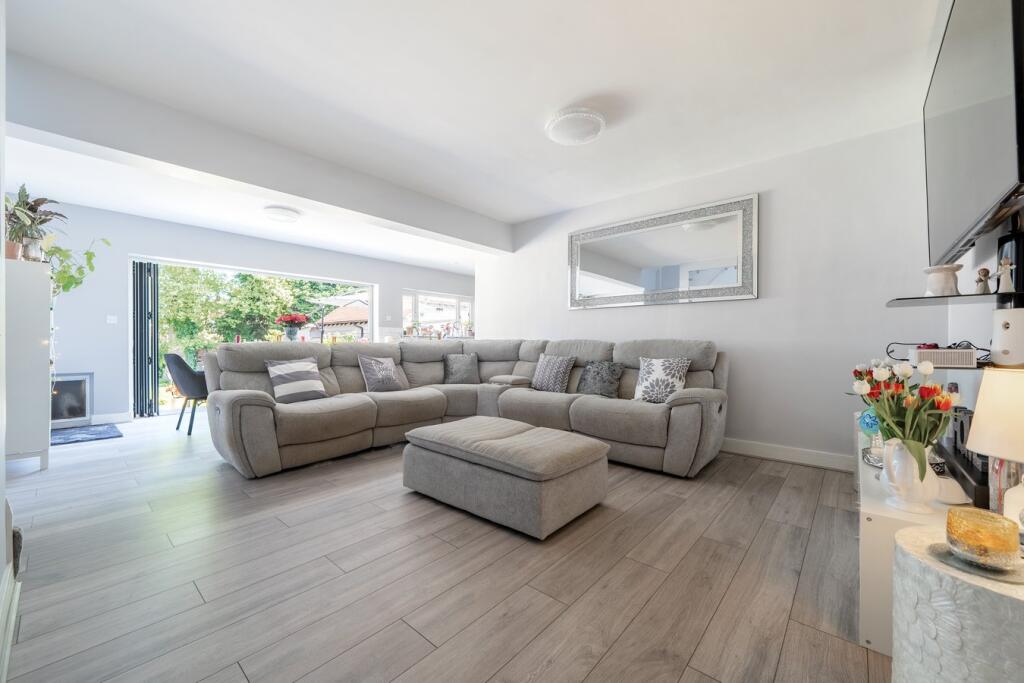
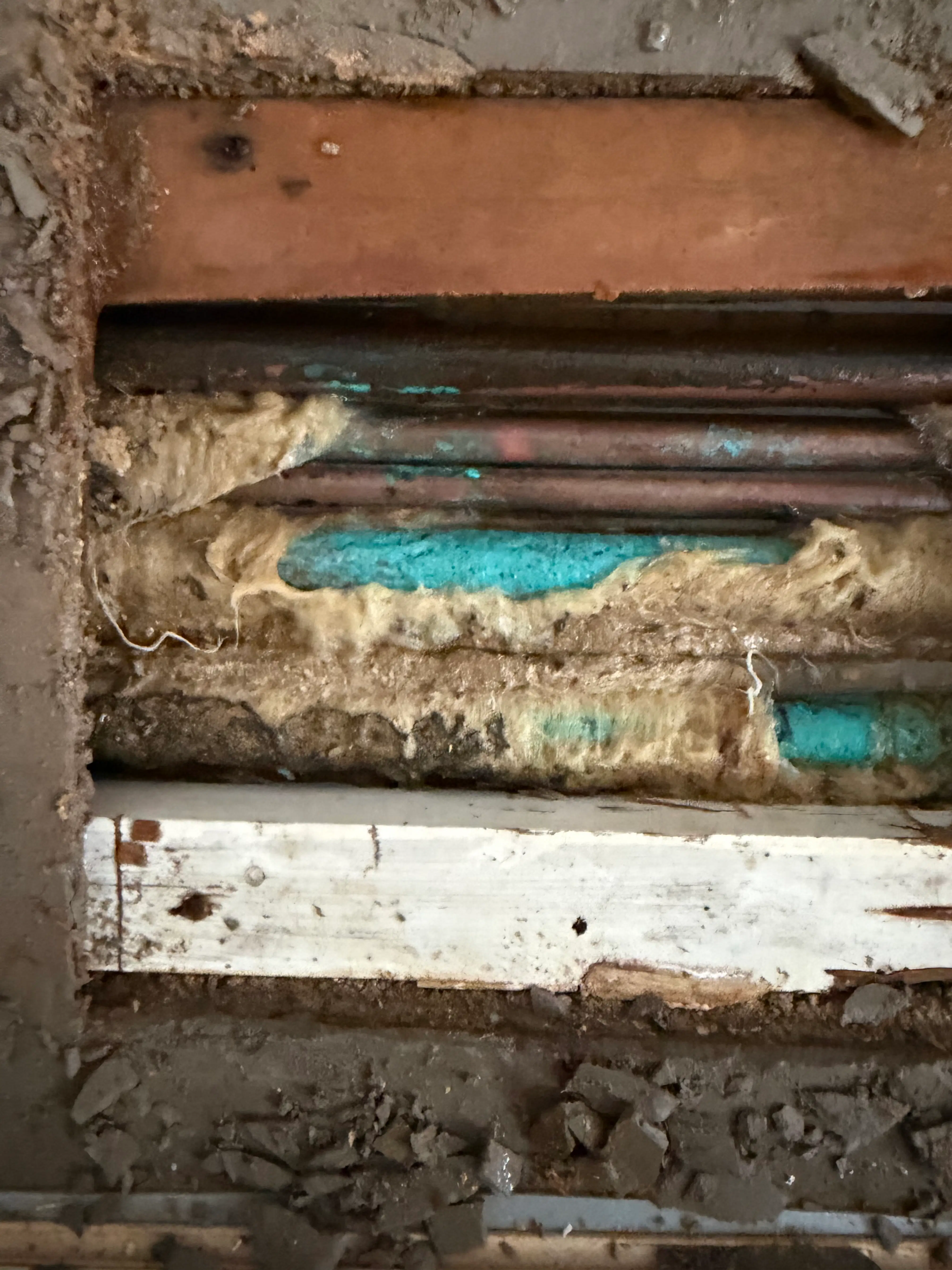
Insulation is the secret sauce here. If your loft is empty and your walls are thin, that expensive heat is just going to fly out the window. We spend a lot of time checking pipework and insulation during our installs because it makes such a difference.
Installation: What to Expect
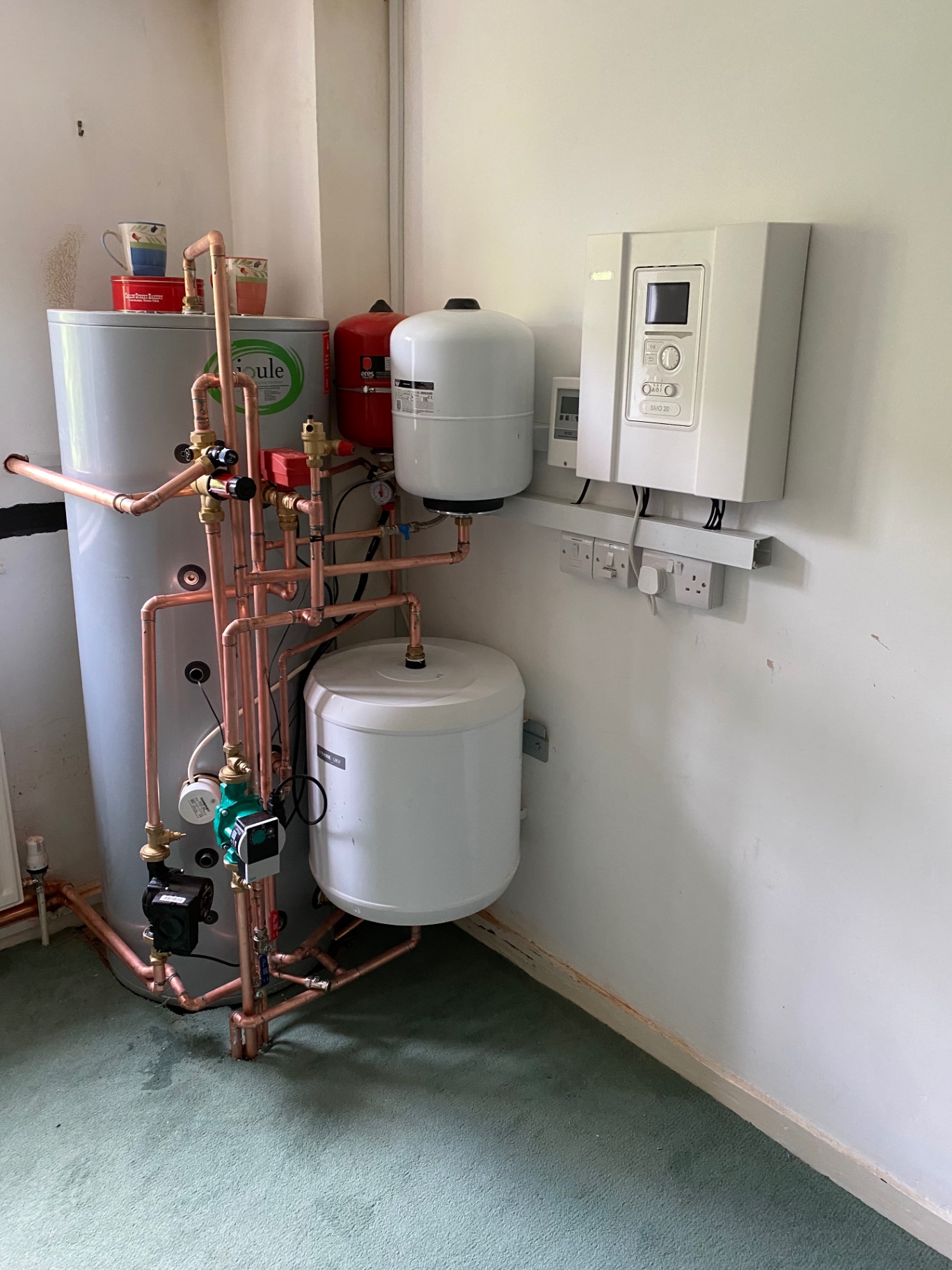
A boiler swap is usually a one-day job. We come in, swap the boxes, check the plumbing, and you’re back in business. A heat pump is more of a project. It can take up to a week. You’ve got the outdoor unit (the bit that looks like a big fan), the indoor cylinder, and often some new pipework.

We also have to think about where the outdoor unit goes. It needs good airflow, so you can't just hide it in a tiny shed. Most people put them down the side of the house or in the garden. They aren't as loud as people say: modern ones just sound like a quiet hum, similar to a fridge: but you still want a professional to site it properly so it doesn't bother you or the neighbours.
The Maintenance Factor
Gas boilers need an annual service to stay safe and efficient. We do a lot of these, and we often see systems that are clogged up with sludge. That’s why we always ask, should you get a power flush on your heating system? because it keeps everything running smooth.
Heat pumps need love too, but they don't have a combustion process, so they’re generally "cleaner" internally. You need to make sure the outdoor unit is clear of leaves and that the refrigerant levels are right. Because they last longer, you’re getting more value over the years, but you’ve got to keep up with those checks.
Is a Gas Boiler Ever Better?
It pains me to say it as an eco-conscious guy, but sometimes gas is just more practical for certain situations. If you live in a listed building where you can't change the windows or add external wall insulation, a heat pump might struggle to keep you warm when it’s minus five outside. Or if you’re on a very tight budget and can’t wait for grant approvals, a new A-rated boiler is still a massive upgrade over an old G-rated clunker.
However, for a dedicated eco-home? There is no contest. The air source heat pump wins every single time. It’s the future of how we heat our homes in Surrey, and with the way energy prices and environmental regulations are going, it’s a smart investment for the value of your property too.
Working with Heat Eco Building Services
We aren't just here to sell you a box. We’re here to make sure your whole house works as a system. Whether we’re fixing a water leak in Aldershot or designing a full heating system for a new build, we take that eco-conscious approach seriously.
We’ve seen some "cowboy" installs where people have been sold a heat pump that’s too small for their house, and they end up freezing. That’s why we do the math. We calculate the heat loss of every room to make sure you’re getting exactly what you need. Who wants a cold house in the middle of winter? Not us, and definitely not our clients.
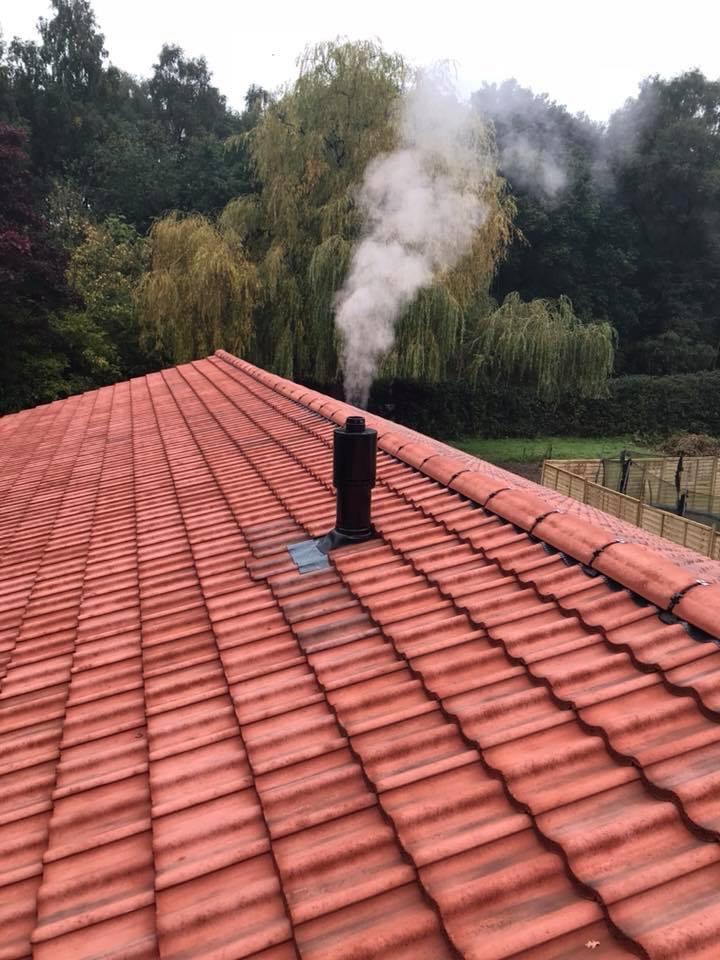
If you're sitting there wondering if your home is right for a heat pump, or if you should just stick with a reliable gas boiler for now, give us a shout. We're local, we know the Surrey area like the back of our hand, and we'll give you the honest truth about what will work best for your specific house. There's no one-size-fits-all in this game.
We’ve been doing a lot of work lately on integrating these systems with other home features: like making sure the hot water for your new swimming pool is handled efficiently. It’s all about creating a home that’s comfortable, sustainable, and cheap to run in the long run.
Anyway, that’s the long and short of it. Gas is the old way: reliable, but dirty. Heat pumps are the new way: efficient, green, but they need a bit more planning. Whatever you decide, make sure you get the insulation right first. It’s the best bit of advice I can give anyone.
If you want to read more about keeping your home in top shape, check out our blog category for more tips and project updates. We’re always out and about, so you’ll probably see the Heat Eco vans around Farnham soon…