
It is 2026 and everyone in Surrey is talking about their heating bills. Honestly, it’s the number one thing we get asked about when we’re out on a job, whether we are doing boiler repairs in Farnham or fitting a new bathroom in Guildford. Everyone wants to know the same thing: should I stick with the trusty gas boiler or finally make the jump to an air source heat pump?
There is no one-size-fits-all answer here because every home in our corner of the world is different. You might be living in a drafty Victorian terrace in Godalming or a super-insulated new build in Woking. We’ve seen it all. At Heat Eco Building Services, we’re all about the eco-conscious approach, but we’re also realists. We want you to have a warm home that doesn’t cost the earth, literally or figuratively.
The Big Difference: How They Actually Work
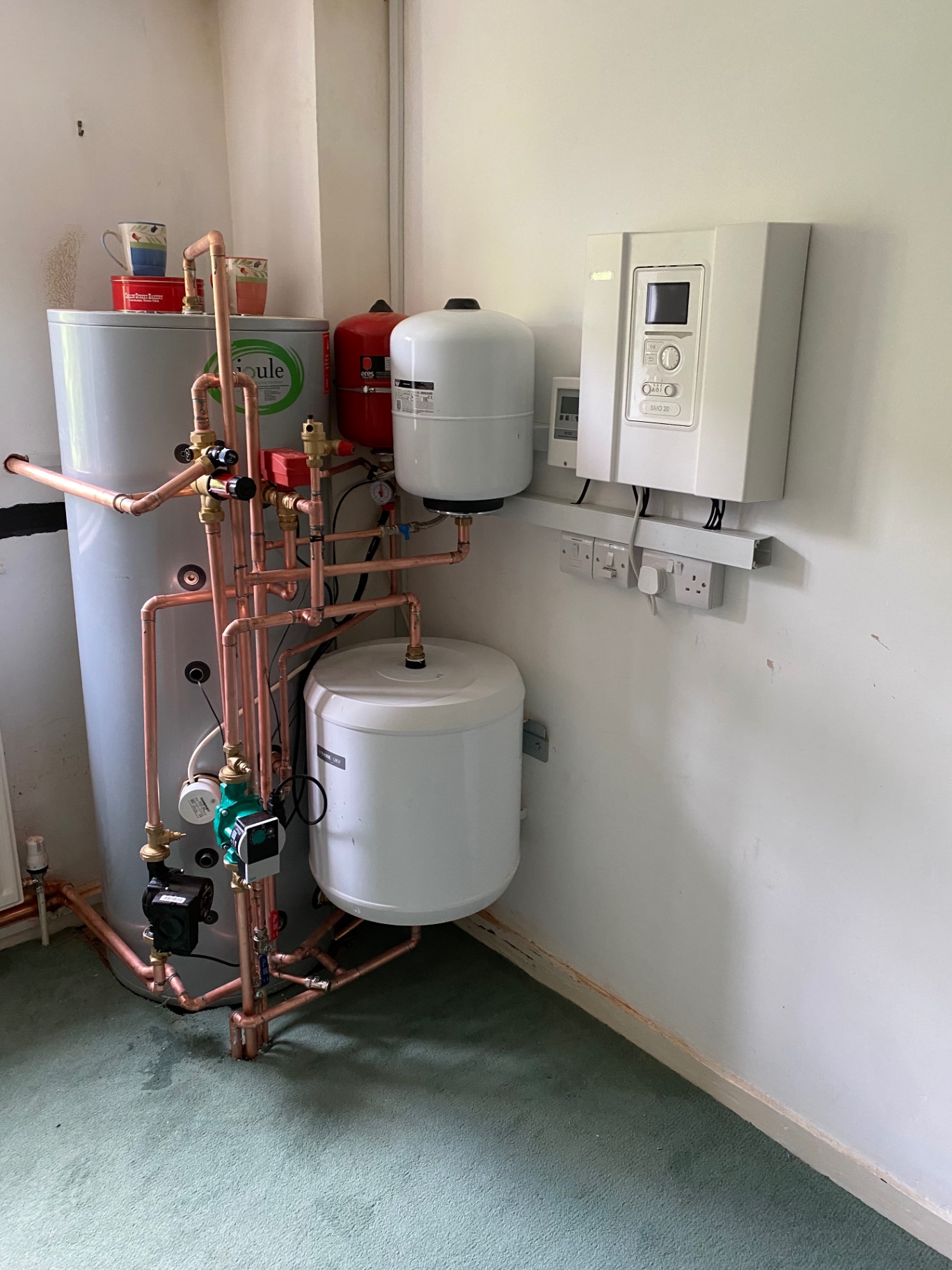
Before we get into the money side of things, it’s worth understanding what these things actually do. A gas boiler is like a big kettle. It burns gas to create a flame, which heats up water, which then gets pumped around your radiators. It’s quick, it’s hot, and it’s what most of us grew up with.
An air source heat pump (ASHP) is a bit more clever. Think of it like a fridge working in reverse. It takes the heat from the outside air, even when it's freezing out, and uses some clever physics to turn it into warmth for your house. Because it’s moving heat rather than creating it, it’s incredibly efficient. We are talking 300% to 400% efficiency. That means for every unit of electricity you put in, you get three or four units of heat out. A modern gas boiler is lucky to hit 94%.
The Temperature Factor
Who wants a cold house in the middle of a Surrey winter? No one. The main thing you need to know is that heat pumps provide a "lower grade" of heat. A boiler blasts your radiators at about 70-80°C. You touch them and they’re piping hot. A heat pump runs much cooler, usually between 35°C and 55°C.
This means a heat pump is a "slow and steady" system. It keeps your house at a constant, comfortable temperature rather than giving you those big bursts of heat. If your home is well-insulated, this is lovely. If your home is leaky and losing heat through the walls and roof, a heat pump will struggle to keep up unless you sort out the insulation first. This is why we always look at the whole building, not just the box in the airing cupboard.
Talking Money: Upfront Costs vs. Long-Term Savings
Now, let’s talk brass tacks because this is usually where people get a bit nervous. Gas boilers are significantly cheaper to buy. You’re looking at maybe £3,000 for a solid installation. An air source heat pump? Well, that can be anywhere from £7,000 to £13,000 depending on the size of your house.
But (and it’s a big but), there is help available. Currently, the government is offering a £7,500 grant to help people switch. That brings the cost right down to something much more comparable to a boiler. Plus, when we look at the lifespan, a good heat pump can last 20 years or more. Most boilers are starting to get grumpy and need boiler repairs after 10 or 12 years.

Is Your Surrey Home Ready?
We spend a lot of time doing plumbing and maintenance across Aldershot and Bordon, and we see a lot of variation in home quality. If you’re considering a heat pump, you’ve got to ask yourself about your insulation.
If you’ve got double glazing, loft insulation, and maybe some cavity wall insulation, a heat pump is going to be brilliant. It’ll run efficiently and keep you toasty. If you’re in a period property with single-glazed windows and no insulation, we’d probably suggest focusing on your windows and walls first. Or, maybe stick with a high-efficiency combi boiler for now while you save up for the bigger upgrades.
We’re always happy to chat through these boiler options with our clients. There’s no point in us installing a fancy new eco-system if you’re going to be shivering all winter.
The Environmental Impact
This is where the heat pump really wins. At Heat Eco Building Services, we’re really pushing for more sustainable living. If you want to lower your carbon footprint, the heat pump is the way to go. Since it runs on electricity, and the UK’s electricity grid is getting greener every day with wind and solar power, your heating becomes cleaner every year.
Gas is a fossil fuel. No matter how efficient your boiler is, it’s still burning gas. If you’re the type of person who wants to do their bit for the planet: maybe you’ve already got an electric car or you’re looking at sustainable building maintenance: then the heat pump is the natural choice.
Maintenance and Reliability
We do a lot of maintenance work, from pool maintenance to commercial building maintenance. One thing we love about heat pumps is their reliability. Because they don’t involve actual combustion (no flames, no soot), they tend to be very reliable if they’re installed correctly.
Boilers have a lot of moving parts and sensors that can go wrong over time. We’re experts at fixing them, of course, but who doesn't want a system that just works? Interestingly, surveys show that heat pump owners often have higher satisfaction levels than boiler owners once they get used to the different way the heat feels.
Which Is Better for You?
So, to wrap it up, here is our honest take on it.
Go for an Air Source Heat Pump if:
- You have a well-insulated home (or you’re planning to insulate it).
- You want to reduce your carbon footprint and get away from gas.
- You’re looking at the long term and want a system that lasts 20+ years.
- You can take advantage of the £7,500 government grant.
Stick with a Boiler if:
- You’re on a tight budget right now and can't afford the upfront gap.
- Your home is very difficult to insulate properly.
- You need a very quick replacement because your old one has totally died and you can’t wait for the grant paperwork.
- You really prefer that "blast" of high heat from your radiators.
We’re out and about every day across Surrey, from Farnham to Guildford, doing everything from bathroom renovations to fixing leaks. We see how these systems perform in the real world, not just on a spec sheet.
Whether you’re dreaming of a stunning new bathroom or just want to make sure your family stays warm this winter, we’re here to help. The results speak for themselves when you get the right system for the right house. If you're unsure, just give us a shout. We'd much rather spend twenty minutes on the phone helping you make the right choice than see you install something that isn't perfect for your home.
Heating is the heart of your home, and getting it right makes all the difference. Who wants a nasty cold house in there house these days anyway? Not us, and definitely not you! Keep an eye on our company news for more updates on eco-friendly tech as it arrives. We're always learning, always growing, and always happy to help our local Surrey neighbors.