
Your boiler's making weird noises again. Or maybe it's just packed in completely on the coldest day of February. We've all been there, standing in front of the thing wondering whether to call out an emergency plumber in Farnham for a repair or bite the bullet and get a whole new system installed.
It's not the easiest decision, is it? On one hand, repairs might seem like the cheaper option. On the other, you don't want to keep throwing money at an old system that's going to fail again in a few months. So how do you know which route makes sense for your home?
Let's break it down properly, so you can make the right call for your situation and your wallet.
The Age Question: How Old Is Too Old?
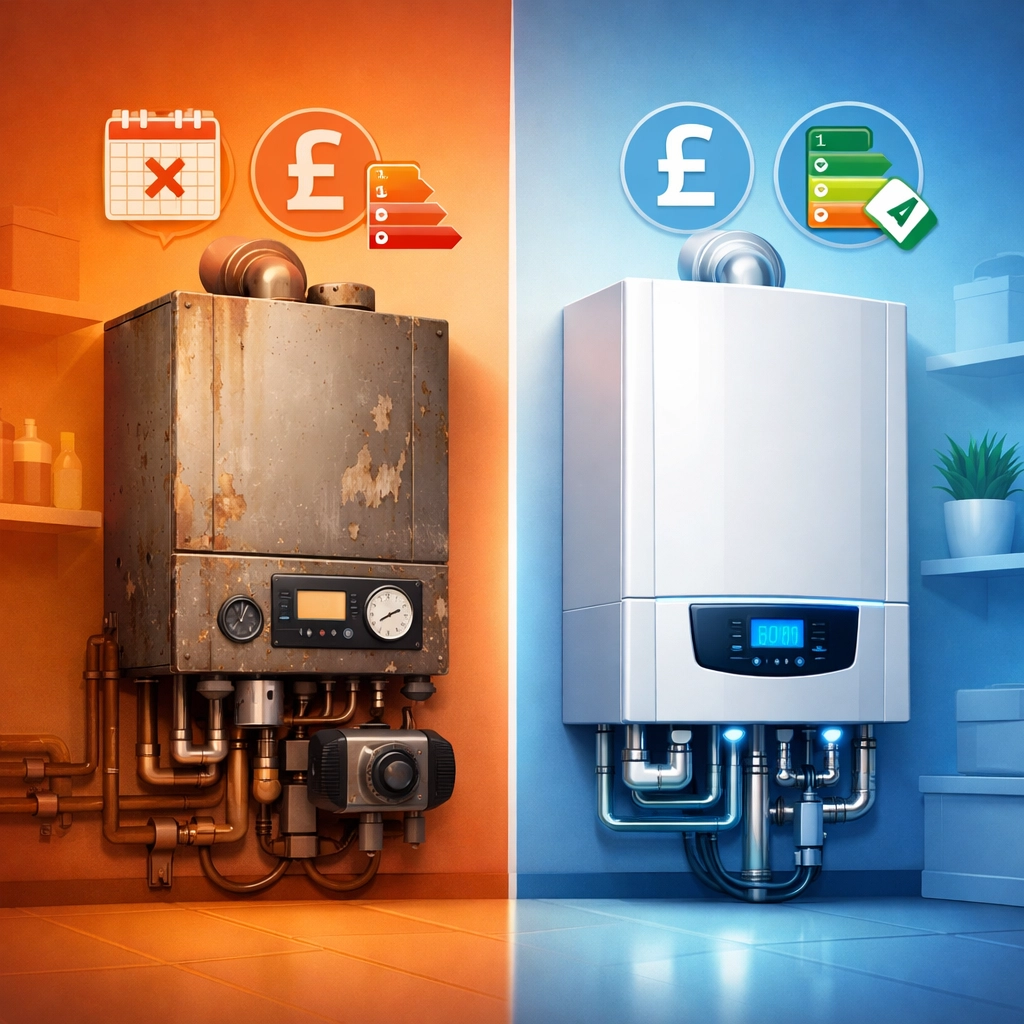
Here's the thing about boilers – they don't last forever. Most modern condensing boilers have a lifespan of around 10-15 years if they're properly maintained. If your boiler's pushing past that 15-year mark, you're likely looking at replacement rather than repair.
Older systems just aren't as reliable. Components wear out, parts become harder to source, and efficiency drops off a cliff. We've seen boilers that are 20+ years old limping along, but they're costing homeowners a fortune in energy bills and constant call-outs for repairs.
If you're not sure how old your boiler is, check the serial number or installation date on the unit itself. Still got the paperwork from when it was fitted? Even better. But if you're scratching your head trying to remember and it was definitely there when you moved in "ages ago," that's usually a sign it's time for a replacement.
The 50% Rule: When Repair Costs Don't Make Sense
There's a handy rule of thumb we use when advising customers on boiler repair in Farnham – if the repair costs more than 50% of what a new boiler would cost, replacement makes more financial sense.
Let's say you need a new heat exchanger, and the quote comes in at around £800-£1,200. A new boiler installation might cost you £2,000-£3,500 depending on the model and complexity. That repair is approaching half the cost of a new system, but you're still left with an aging boiler that could develop other faults.
Compare that to a simple thermostat replacement or a new pump, which might only set you back £200-£400. That's a no-brainer repair situation, especially if the boiler's relatively young and otherwise healthy.
Frequency Matters: How Often Are You Calling Out Engineers?
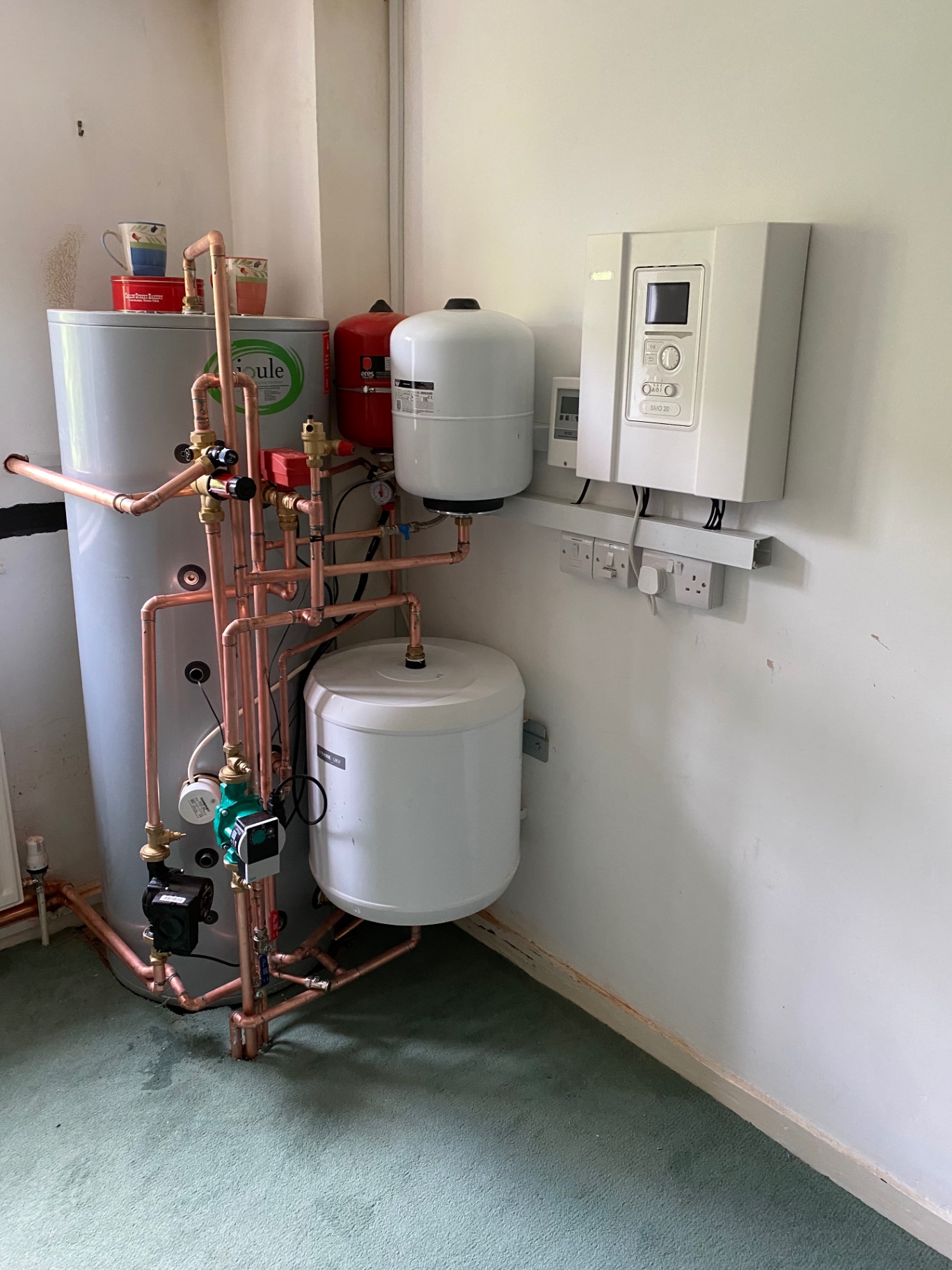
If you're on first-name terms with your local gas safe engineer in Farnham because they're round at your place every few months, that's telling you something. When repairs become frequent, it's usually because multiple components are failing as the system reaches the end of its useful life.
We had a customer in Guildford last year who'd had three separate repairs in eight months – thermostat, pump, and then the PCB. Each repair on its own wasn't too expensive, but added together they came to well over £900. A new boiler would've saved them money and hassle in the long run.
Frequent breakdowns don't just cost money – they're stressful and inconvenient, especially during winter when you need hot water and heating most.
Energy Efficiency: The Hidden Cost of Old Boilers
Here's something that doesn't always get mentioned when people discuss repair vs replacement – running costs. Modern condensing boilers are dramatically more efficient than older models. We're talking 90-95% efficiency compared to 60-70% (or worse) for boilers from the early 2000s or before.
That efficiency difference translates directly to your energy bills. A new boiler could cut your heating costs by 20-30%, which means it starts paying for itself from day one. Over a 10-year period, those savings really add up.
Plus, newer systems are better for the environment. Lower energy consumption means reduced carbon emissions, which is increasingly important as we all try to do our bit for the planet.
When Repair Makes Perfect Sense
Right, we're not saying you should always replace your boiler. There are plenty of situations where repair is absolutely the smart choice:
Your boiler's under 7 years old – Systems this age should still have plenty of life left. Unless there's a fundamental design flaw or catastrophic failure, repairs usually make sense.
The fault is minor – Broken thermostats, leaking radiator valves, pressure issues, or faulty pumps are all relatively simple fixes that don't signal the end of your boiler's life.
You've got a solid maintenance history – If you've been getting annual services and the boiler's been reliable, a one-off repair isn't a red flag.
The repair cost is low – Anything under £400 is probably worth doing if it gets you another few years from the system.
When Replacement Is The Better Investment
On the flip side, here's when you should seriously consider boiler installation rather than another repair:
Age over 15 years – Even if it's still working, replacement is usually imminent. Better to do it on your terms than during an emergency.
Multiple recent repairs – If you're constantly fixing things, the writing's on the wall.
Rising energy bills – Old inefficient boilers cost you money every single day they're running.
Strange noises or inconsistent performance – Kettling, banging, or irregular heating often indicate serious internal issues.
You're planning other home improvements – If you're doing a bathroom renovation or kitchen refit anyway, it's the perfect time to upgrade your heating system.
Parts are obsolete – Some older models have components that are no longer manufactured, making repairs difficult or impossible.
The Emergency Factor: Don't Wait Until Winter
Nobody wants to think about boiler replacement when theirs is still chugging along, but here's a pro tip – don't wait for a complete breakdown in the middle of January. Emergency boiler replacements are stressful, often more expensive, and you might be waiting days for installation while you shiver in a cold house.
If you know your boiler's living on borrowed time, sort it out during spring or summer. You'll have more time to research options, get multiple quotes, and choose the best system for your needs rather than just grabbing whatever's available urgently.
What About Warranties?
Modern boilers typically come with 5-10 year warranties, which gives you peace of mind. If you're constantly repairing an old boiler that's out of warranty, you're paying for every single callout and part. A new system means you're covered for years to come.
The Local Farnham Perspective
Living in Farnham, Farnborough, or Guildford, you've got plenty of heating engineers to choose from. The key is finding someone who'll give you honest advice about whether repair or replacement makes sense, rather than just trying to sell you the most expensive option.
At Heat Eco Building Services, we always assess each situation individually. Sometimes a simple repair is all you need. Other times, we'll be upfront that replacement is the more economical long-term choice. We're here to help you make the right decision for your home and budget.
Making Your Decision
So, repair or replace? Consider these key factors:
- Age: Over 15? Probably replace.
- Repair cost: More than half the price of a new boiler? Replace.
- Frequency: Constant repairs? Replace.
- Efficiency: High bills on an old system? Replace and start saving.
- Simple fix on newer boiler: Repair makes sense.
Whatever you decide, make sure you're working with a qualified gas safe engineer who can properly assess your system and provide reliable service. Your boiler's responsible for keeping your home warm and providing hot water – it's too important to cut corners on.
Need advice specific to your situation? Get in touch with us at Heat Eco Building Services. We'll come out, take a look at your boiler, and give you honest recommendations based on what's actually best for you, not what makes us the most money. Because that's how we do things round here.