
So, you’re sitting there in your living room in Guildford or maybe looking out at the garden in Farnham, and you’re thinking, is it finally time to ditch the old gas boiler? We get asked this constantly. It’s the big debate of 2026, especially with everyone trying to future-proof their homes and keep those energy bills from spiralling out of control.
At Heat Eco Building Services, we’ve installed hundreds of both. We love a good, reliable combi boiler, but we’re also seeing a massive shift toward Air Source Heat Pumps (ASHPs). It’s not just about being "green" anymore; it’s about what actually makes sense for your wallet and your comfort over the next twenty years. This is the second post in our 7-day series on future-proofing Surrey homes, and today we're diving deep into the head-to-head: Heat Pumps vs. Gas Boilers.
The Upfront Cost: Let’s Talk Numbers
Let’s be real, the first thing everyone looks at is the price tag. Who wants to spend a fortune if they don't have to?
A standard, high-efficiency gas boiler installation usually sits somewhere around the £2,500 to £3,500 mark. It’s relatively quick, we’re usually in and out in a day, and it’s a system everyone understands. If you’re looking at boiler options, gas is still the "easy" entry point.
Then you have Air Source Heat Pumps. Without any help, these can cost anywhere from £8,000 to £14,000 depending on the size of your house and how much work needs doing to your pipework. That sounds scary, doesn't it? But here’s the kicker: the Boiler Upgrade Scheme (BUS) is still going strong in 2026, offering Surrey residents up to £7,500 off the cost of a heat pump. When you factor that in, the price gap starts to shrink significantly.
Suddenly, you’re looking at a much more comparable upfront cost for a system that’s going to last you 20 years instead of the 10-12 years you might get out of a modern boiler.
Efficiency: 90% vs 400%
This is where the tech gets really cool. A brand-new A-rated gas boiler is about 92-94% efficient. That means for every pound you spend on gas, about 6p to 8p is wasted. Not bad, right?
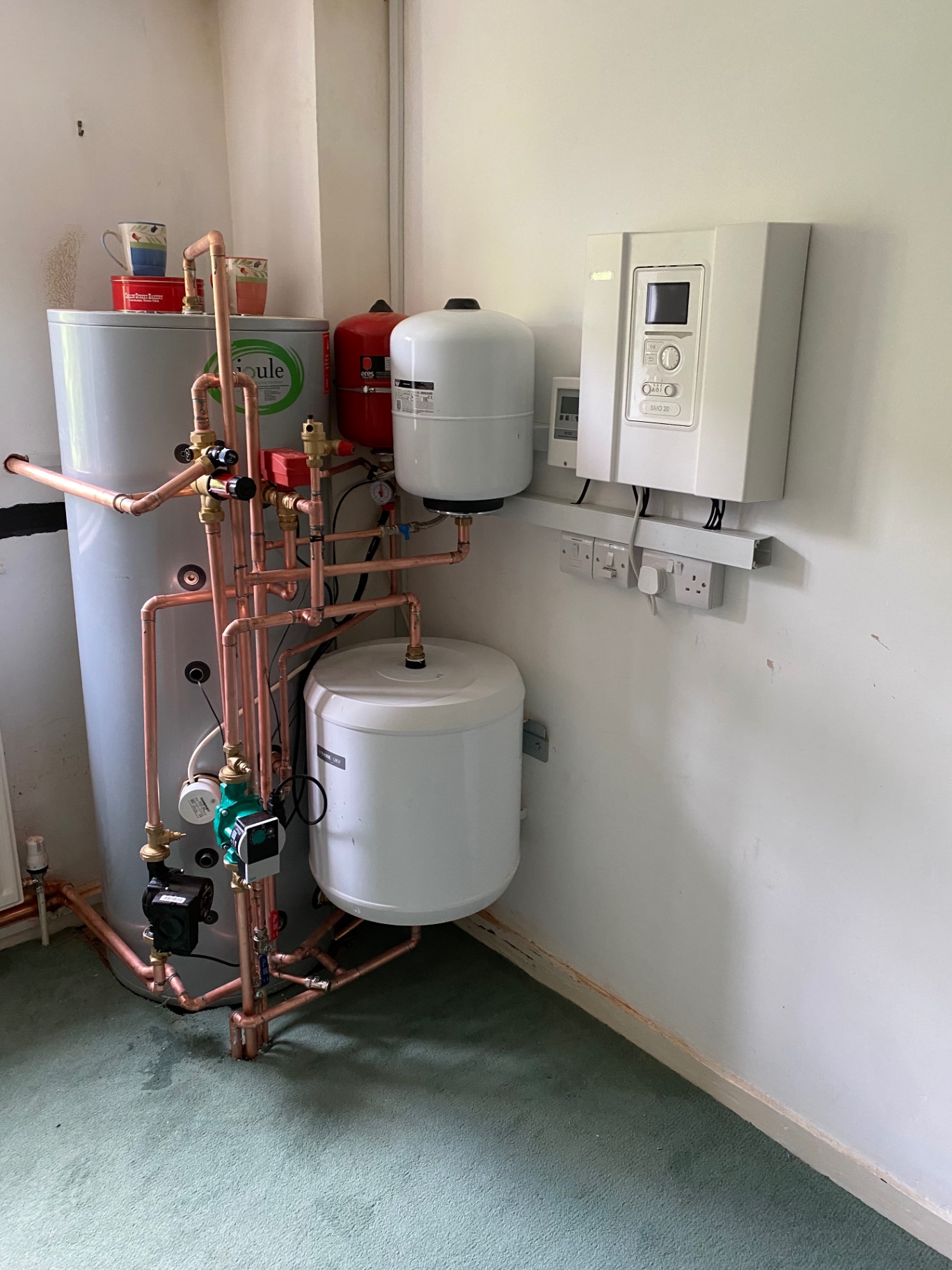
But an Air Source Heat Pump is a different beast entirely. It doesn’t "create" heat by burning fuel; it moves heat from the outside air into your home. Even when it’s freezing outside in Bordon, there’s still heat energy in the air. Because of this, ASHPs can reach efficiencies of 300% to 400%. You’re getting three to four units of heat for every one unit of electricity you pay for.
Now, I know what you’re thinking, "Michael, electricity is way more expensive than gas!" And you’re right. Currently, electricity is roughly four times the price of gas per unit. This means that if your heat pump isn't running efficiently, it could cost you more to run. That’s why the installation is so vital. If it’s set up correctly by a team that knows what they’re doing, the running costs usually level out to be about the same as gas, or even cheaper if you’ve got solar panels (but we’ll save the solar talk for tomorrow’s post!).
The Surrey Factor: Will it work in your house?
We do a lot of work in Guildford and Farnham, and we see a huge variety of homes. If you live in a brand-new build in Bordon, a heat pump is a total no-brainer. Those houses are basically like Thermos flasks; they hold heat incredibly well.
However, if you’re in a drafty Victorian terrace in the middle of Farnham, we need to have a proper chat. Heat pumps work best when they provide a low, steady flow of heat. If your windows are rattling and you’ve got no loft insulation, that heat is just going to fly out the roof, and your pump will have to work overtime, which drives your bills up.
Before we even think about a heat pump, we always look at:
- Insulation: Is your home ready to hold the heat?
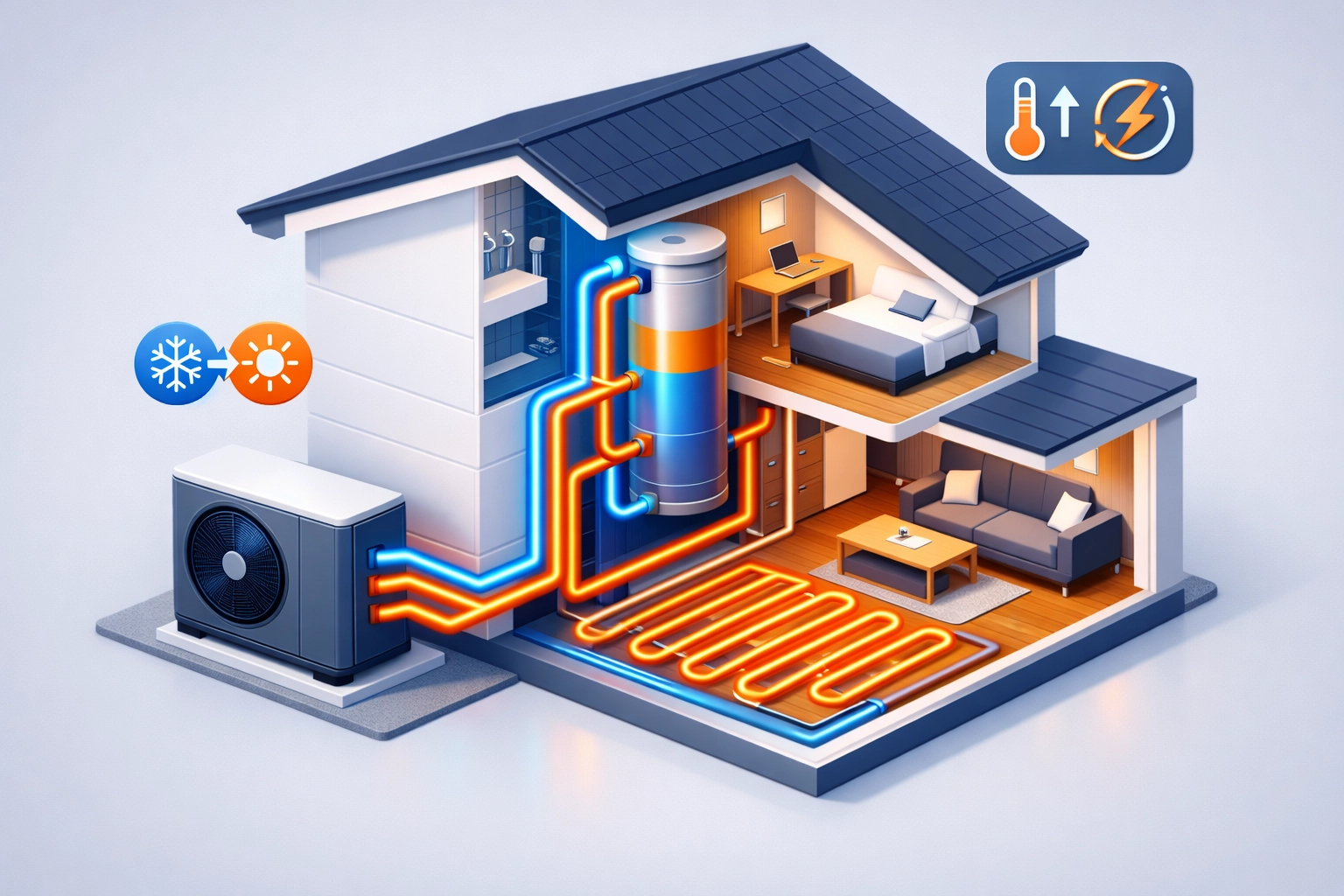
- Radiators: Heat pumps run at lower temperatures than boilers, so you might need larger radiators or underfloor heating to get the same level of warmth.
- Space: You’ll need a spot outside for the fan unit and space inside for a hot water cylinder.
Maintenance and Lifespan
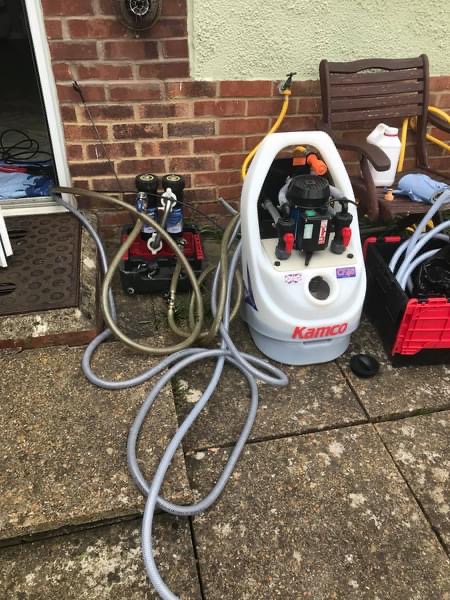
We see so many boilers that have been neglected. People forget that a boiler is a box of controlled explosions in there house. It needs a lot of love. We’re constantly out doing plumbing repairs and power flushes to keep old systems alive.
Gas boilers usually need replacing every 10 to 15 years. They have a lot of moving parts and high-heat components that eventually just give up. An ASHP is more like a fridge, it's a sealed system that’s designed to run for 20 years or more. Yes, it still needs an annual service to keep the warranty valid and make sure the filters are clean, but there’s generally less to go wrong in the long run.
If you’re the type of person who wants to "fit it and forget it" for the next two decades, the heat pump definitely wins on longevity.
The Environmental Impact
We can’t ignore the eco-side of things. If you’re looking to reduce your carbon footprint, there is simply no contest. Gas boilers are one of the biggest contributors to household emissions in the UK. By switching to a heat pump, you’re cutting your home’s carbon emissions by about 44% straight away. As the UK grid gets greener with more wind and solar power, that number only gets better.
It’s a great feeling knowing you’re doing your bit for the Surrey countryside we all love. Plus, as we move closer to the government's net-zero targets, having a home that doesn't rely on fossil fuels is going to make it much more attractive to buyers if you ever decide to sell.
So, Which One Is Better?
It’s not a simple "yes" or "no" answer: it depends on your specific situation.
Choose a Gas Boiler if:
- You’re on a very tight budget right now and can’t wait for grant approvals.
- Your home is very poorly insulated and you aren't ready to upgrade the windows or loft.
- You really don't have space for a hot water tank or an outside unit.
- Check out our blog for more on the latest high-efficiency boiler models.
Choose an Air Source Heat Pump if:
- You want to future-proof your home against future gas bans.
- You’re looking at a long-term investment (15-20 years).
- Your home is reasonably well-insulated.
- You want to lower your carbon footprint and potentially pair it with solar energy later.
We recently finished a project in Guildford where the homeowner was terrified they’d be cold with a heat pump. We upgraded three of their radiators to larger, more efficient versions and installed a sleek Daikin unit. They called us three months later to say the house has never felt more "cosy" and their energy app is showing lower usage than their old combi ever did.
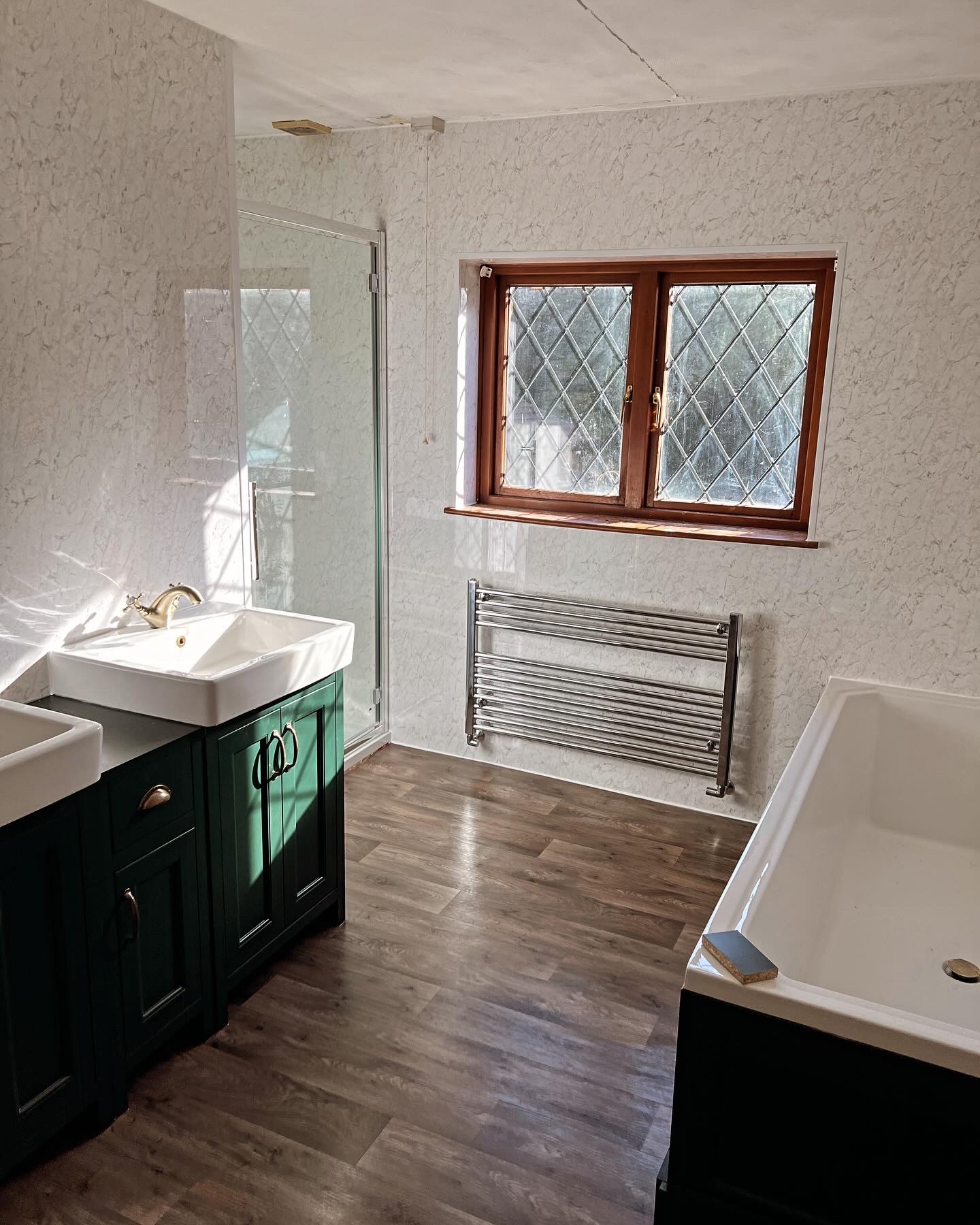
The results really do speak for themselves when the job is done right. Whether you’re leaning toward a traditional upgrade or making the jump to renewable tech, we’re here to help you figure out what’s actually best for your specific house. No hard sell, just honest advice from a team that lives and works right here in Surrey.
If you’re curious about how a heat pump would look at your place, or if your old boiler is making some "interesting" noises and you need a pro to take a look, give us a shout. We've seen it all, from the tiniest flats to the big country homes, and we'd love to help you get your home ready for the future.
There's plenty more to talk about this week as we continue our series… tomorrow we're getting into the world of battery storage and how you can actually keep the energy you're making. It’s all part of making your home a more efficient, comfortable place to be. Who wants a cold house or a massive bill in this day and age? Not us, and definitely not you…