
Everyone’s asking the same thing lately when we're out on jobs in Farnham or Guildford. It’s always the same question, "Michael, should I stick with the gas boiler or is it time to go for one of those air source heat pumps?"
It’s a big decision, especially with the way energy prices have been bouncing around like a yoyo. We get it. You want a warm house, plenty of hot water for the bath, and you don’t want to be handing over your life savings to the energy companies every month. At Heat Eco Building Services, we’ve been installing both for years, so we’ve seen the good, the bad, and the chilly. There’s no one-size-fits-all answer, but there’s definitely a right choice for your specific home.
Let’s get into the nitty-gritty of how they stack up against each other, especially for us living down here in Surrey.
The Big Efficiency Showdown
First off, let’s talk about efficiency because that’s the main selling point for the eco-crowd (and we're part of that crowd!).
A modern condensing gas boiler is pretty good, usually around 90% to 94% efficient. That means for every pound you spend on gas, about 90p to 94p actually turns into heat for your radiators. Not bad, right? But then you look at an air source heat pump (ASHP), and the numbers get a bit mind-blowing.
A well-installed heat pump can be 300% to 400% efficient. Now, I know what you’re thinking, "Michael, that's impossible, you can't get more out than you put in." But here's the trick: a heat pump isn't creating heat; it's just moving it from the outside air into your house. Even when it feels freezing outside in Aldershot, there's still heat energy in the air. For every unit of electricity the pump uses to run the compressor, it grabs three or four units of heat from the air.
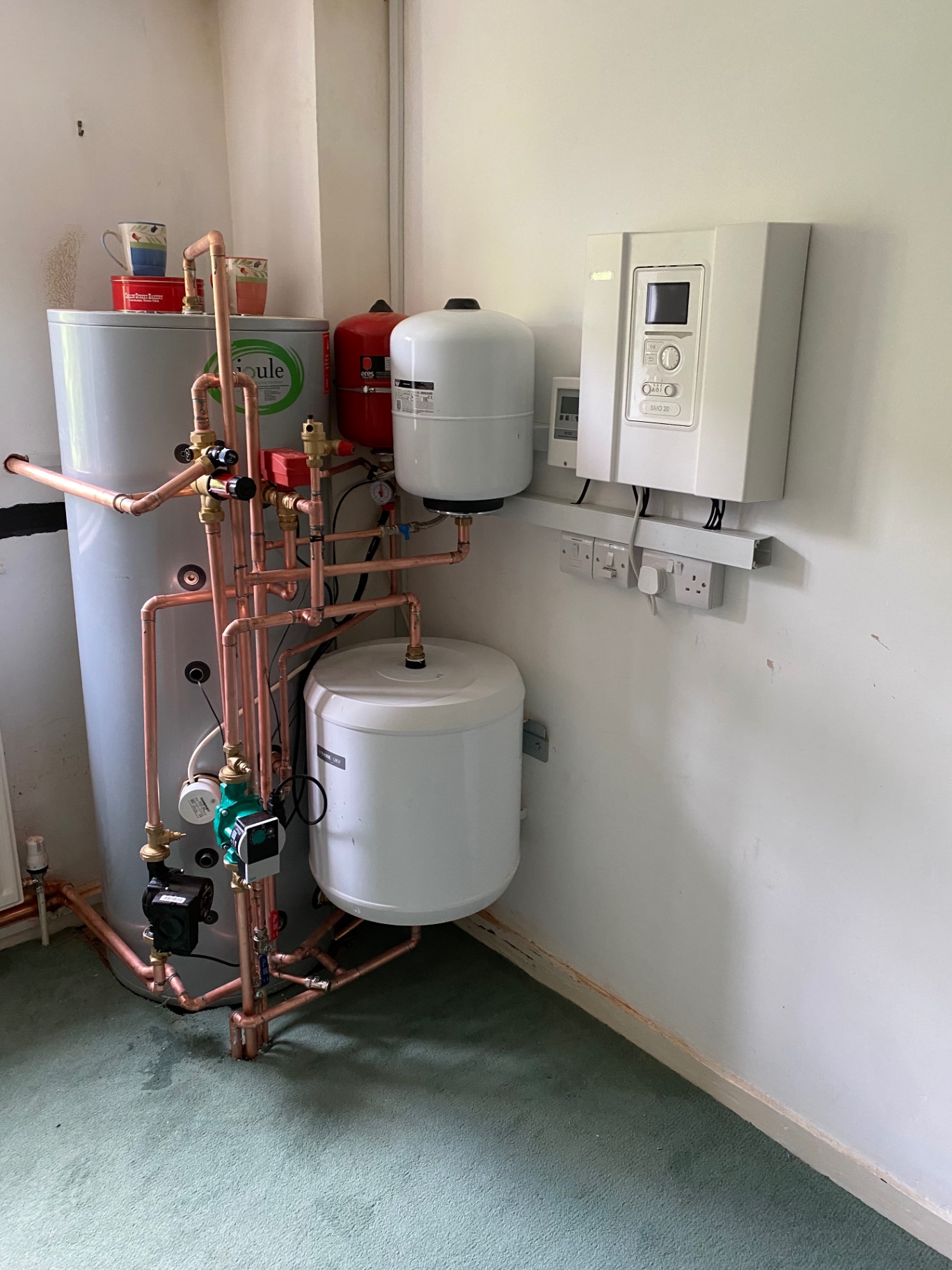
Who wouldn't want that kind of performance? But there is a catch, electricity costs more than gas. Currently, electricity is about four times the price of gas per unit in the UK. So, even though the heat pump is four times more efficient, the running costs can end up being pretty similar to a gas boiler. If your home isn't insulated properly, the heat pump has to work harder, and that’s when the bills can start to creep up.
What's It Going To Cost You Upfront?
This is where most people pause. A standard combi boiler replacement might set you back between £1,000 and £4,000 depending on the brand and how much pipework needs changing. It's a quick job, usually done in a day, and you're back up and running.
An air source heat pump is a different beast entirely. You’re looking at £3,999 to £10,000 or even more for the full system and installation. It takes longer too, usually 2 to 5 days because we often have to change your radiators for bigger ones (heat pumps run at a lower temperature, so you need more surface area to get the same warmth) and install a hot water cylinder if you didn't have one.
But, and it’s a big but, the government is still handing out £7,500 via the Boiler Upgrade Scheme (BUS) here in England. If you qualify, that grant wipes out a massive chunk of the cost. Sometimes it makes the heat pump installation almost the same price as a high-end boiler install. We help our customers through the whole grant process because, let's face it, nobody likes paperwork.
Why Insulation is the Make-or-Break Factor
If you live in a drafty Victorian terrace in the middle of Farnham with single-glazed windows and no loft insulation, a heat pump might struggle to keep you cozy. Boilers are like a blast of fire; they get the radiators scorching hot very quickly. Heat pumps are more like a slow, steady simmer. They keep your house at a constant, comfortable temperature all day long.
If that heat is leaking out of your walls and roof as fast as the pump puts it in, your pump will be running flat out and your bills will sting. Before we even think about a heat pump, we always look at the insulation. Sometimes it’s worth spending a bit on outside cladding or better insulation before you even touch the heating system.
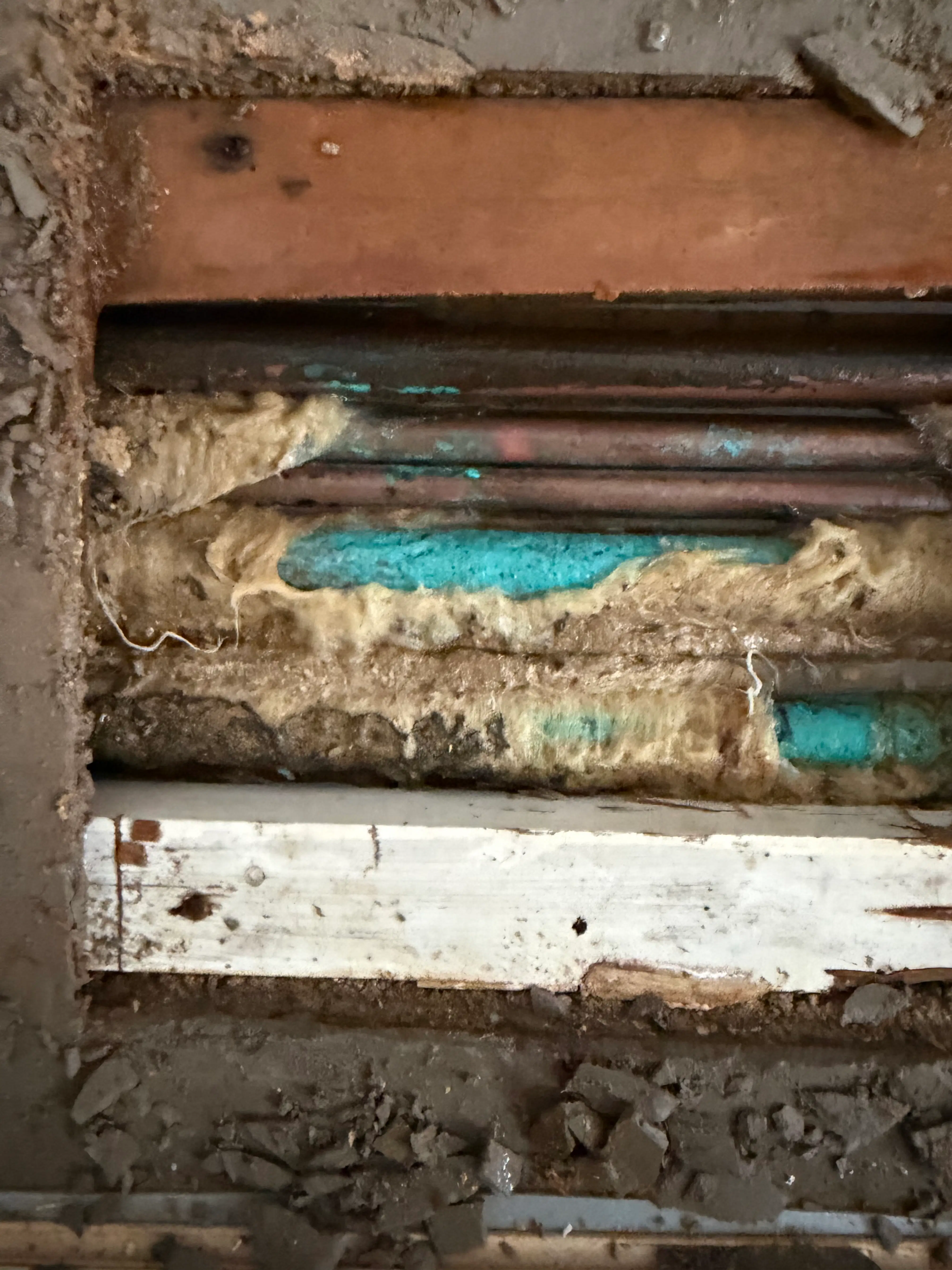
We’ve seen plenty of "professional" repairs where people just slap in a new unit without looking at the whole house. That’s how you end up with a system that doesn’t work right. If you’ve got issues with your current setup, maybe fixing leaks or checking your ducting is the first step before making the big jump.
Living With the System: Comfort and Maintenance
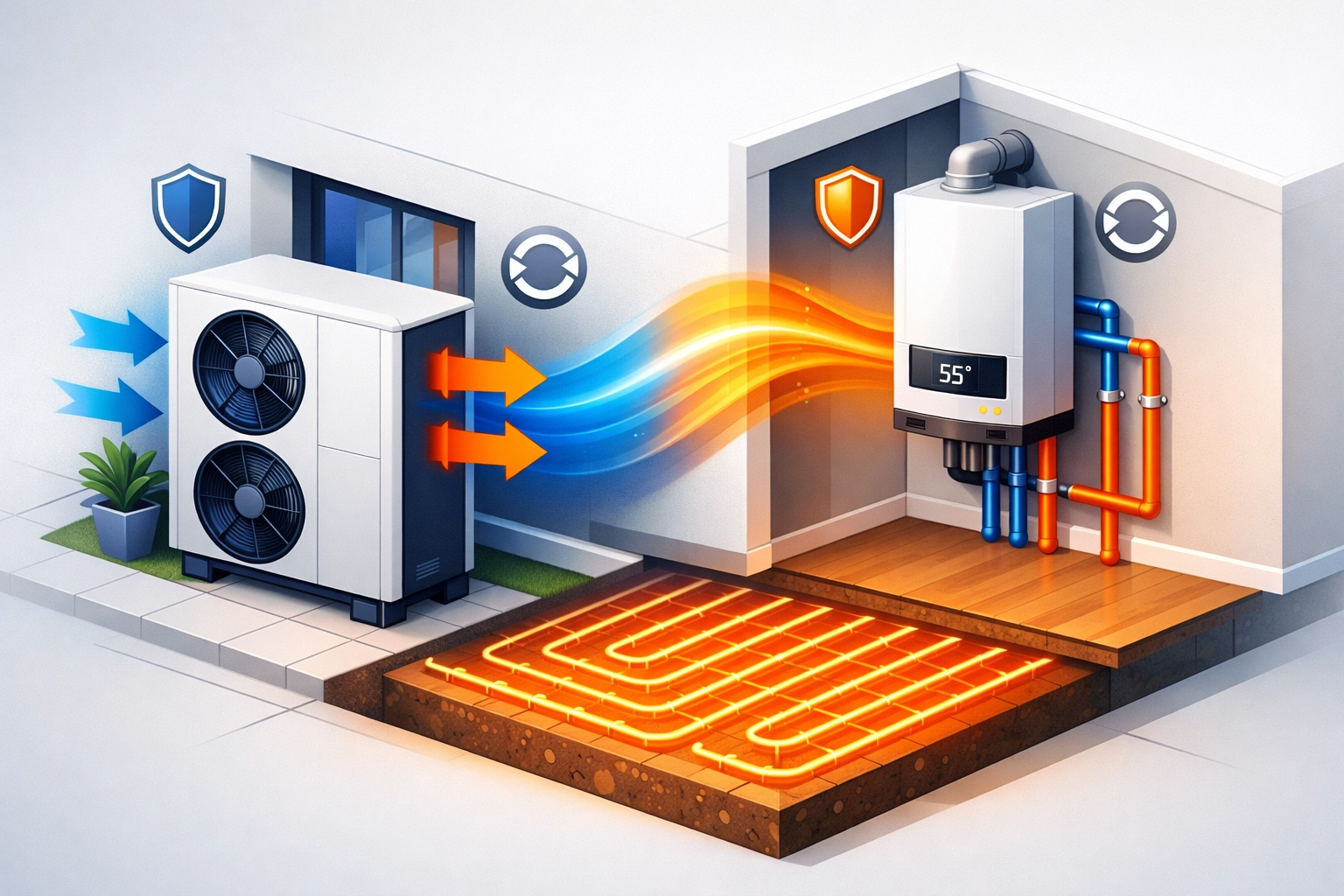
A lot of our clients who switch to heat pumps actually prefer the heat. It feels "gentler." Because the radiators aren't boiling hot to the touch, the air doesn't feel as dry. It’s also the perfect partner for underfloor heating. If you’re planning a renovation, maybe putting in a new kitchen with underfloor heating, a heat pump is a no-brainer.

On the maintenance side, a gas boiler needs an annual service to stay safe and efficient. We do a lot of boiler repairs in Farnham, and usually, it’s because a small part has failed after 10 years of hard work. Heat pumps are generally very reliable and can last 20 years or more, way longer than the average 12-15 years you get out of a boiler. They don’t have a combustion process, so there’s less to "burn out," but you still need a pro to check the refrigerant levels and the fan once a year.
Environmental Impact: Doing Your Bit
We’re called Heat Eco for a reason. We care about the planet, and we know our customers do too. Gas boilers burn fossil fuels. There’s no getting around it, they put CO2 into the atmosphere. A heat pump runs on electricity, and as the UK grid gets greener with more wind and solar power, your heating gets greener too.
If you’ve got solar panels on your roof in Surrey, you’re winning. You can use your own free electricity to run your heat pump. That’s the dream setup right there. Even without solar, switching to a heat pump is the single biggest thing you can do to lower your home's carbon footprint. It’s about 13% less CO2 than a gas boiler, and that gap is only going to grow as we move away from coal and gas power stations.
The Surrey Factor: Weather and Space
We're lucky in Surrey. We don't get the brutal Arctic winters they get up in the Highlands. Air source heat pumps work brilliantly in our climate. They can work down to -15°C or even -20°C, but they are happiest when it’s between 0°C and 10°C, which is basically a standard Surrey winter morning!
Space is the other thing to consider. A combi boiler is tiny, it hides in a kitchen cupboard. A heat pump needs an outdoor unit (about the size of a large suitcase) and usually a hot water tank inside. If you’re already cramped for space in a small flat, a boiler might be your only real option. But if you’ve got a garden or a side-path, we can usually find a spot for the pump that’s tucked out of the way.
So, Which Is Better?
There isn't a simple "yes" or "no" answer, but here is how we usually break it down for our customers:
Go for a Gas Boiler if:
- You need the lowest upfront cost possible and aren't eligible for grants.
- Your home is very poorly insulated and you can't afford to upgrade it yet.
- You have zero space for an outdoor unit or a hot water cylinder.
- You’re planning on moving in a year or two and just need the heating to work.
Go for an Air Source Heat Pump if:
- You want to future-proof your home and protect yourself against rising gas prices.
- You’re eligible for the £7,500 Boiler Upgrade Scheme grant.
- You care about reducing your carbon footprint.
- You’re doing a big renovation, like a bathroom or wetroom transformation, and want the best tech for the long haul.
- You have solar panels or are thinking about getting them.
Final Thoughts from Michael
At the end of the day, we just want you to have a system that works and doesn't give you headaches. Whether that's a top-of-the-line heat pump or a reliable new boiler, we’ve got the local expertise to get it sorted. We’ve been serving the Surrey area long enough to know the quirks of the local housing stock: from the Victorian terraces to the new builds.
If your current boiler is sounding like a tractor or your radiators are doing that annoying clicking thing, don't wait until it snows to give us a shout. We can come out, take a look at your house, and give you an honest opinion on what would work best for your budget and your lifestyle. Who wants a cold house in this day and age? Not us, and definitely not you.
If you’re not ready for a full replacement yet but your heating feels a bit sluggish, you might just need a bit of maintenance. We always recommend checking if you need a power flush to clear out the sludge. It can make a world of difference to how warm your rooms feel.
Give us a ring at Heat Eco Building Services. We’re friendly, we know our stuff, and we’re always happy to chat about how to make your home a bit more "eco" without breaking the bank. Let’s get your Surrey home ready for whatever the weather throws at us!