
So you want to future-proof your place in Surrey. Nice one. Whether you're over in Farnham or tucked away in a leafy bit of Guildford, everyone is talking about solar panels, heat pumps, and getting away from those sky-high energy bills. But here's the thing: we see folks making the same mistakes over and over again. They spend a wedge of cash on fancy kit, but there house still feels drafty or the bills don't drop like they expected.
Who wants a nasty, inefficient home these days? Not you. At Heat Eco Building Services, we’ve been into the eco-conscious side of things for a long time, and we’ve seen what works (and what definitely doesn't).
This post outlines the big blunders people make when trying to modernise their homes and, more importantly, how you can fix them before you start digging up the driveway.
1. Buying the "Shiny Tech" Before Fixing the Draughts
It’s tempting to jump straight to PV Solar Panels or a brand new Air Source Heat Pump. But if your loft insulation is rubbish and your windows are rattling, you’re basically just buying a bigger engine for a car with no tyres.
We call this "fabric first." If the heat is leaking out of your walls like water through a sieve, even the most eco-friendly boiler is going to struggle.
How to fix it: Start with a thermal scan or a proper insulation check. Get that loft topped up to 300mm and sort out the draughty doors. Once your home actually holds onto the heat, then we can talk about the tech.

2. Guessing the Size of Your Heat Pump
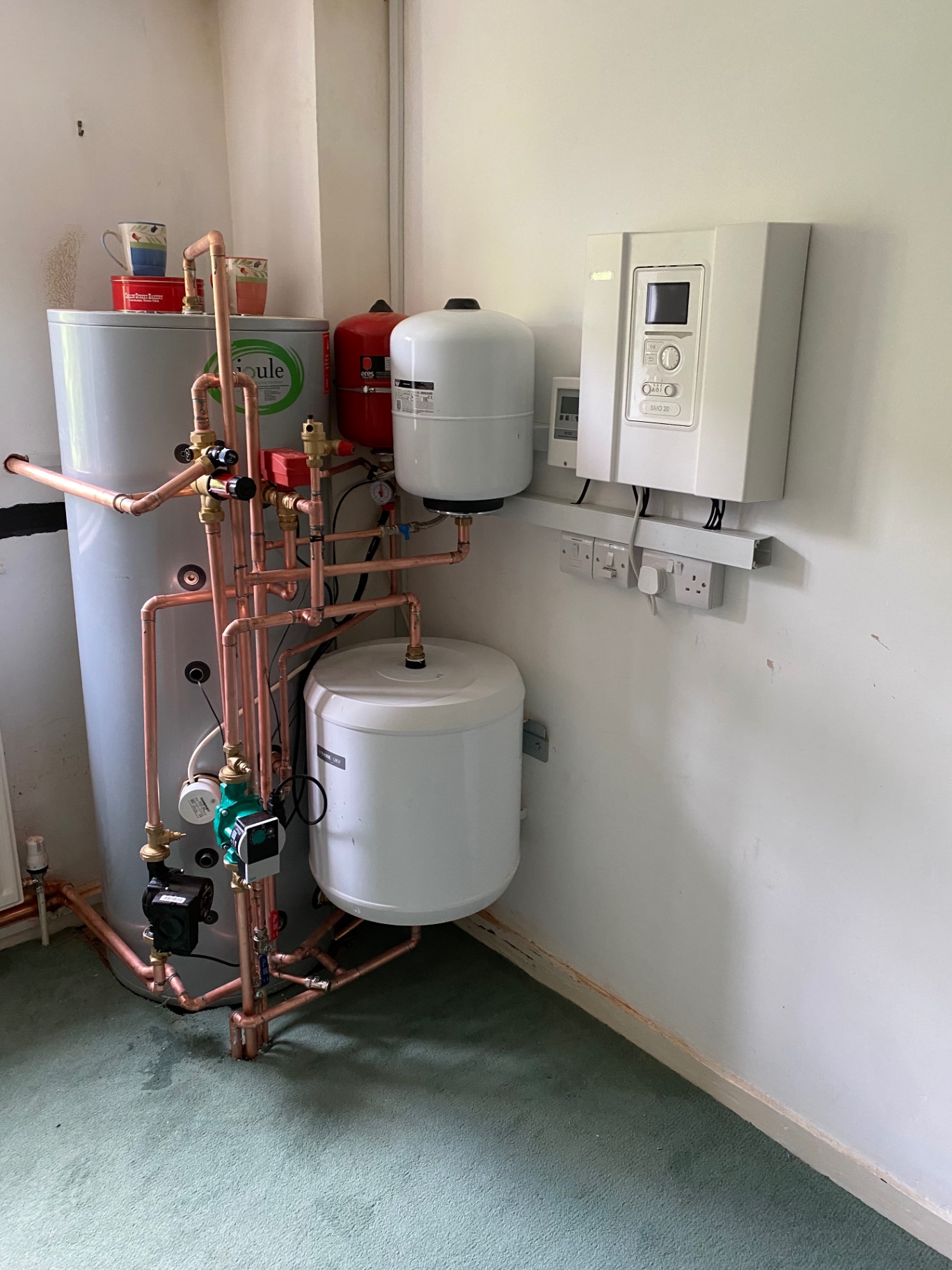
We see this a lot. Someone hears that heat pumps are the future, so they just swap their old gas boiler for a heat pump without checking if the radiators can handle it. If the unit is too small, you'll be shivering in January. If it's too big, it’ll keep switching on and off (short-cycling), which kills the efficiency and wears out the parts.
How to fix it: You need a room-by-room heat loss assessment. We don't just "guess" based on the size of the house. We look at the windows, the walls, and how you actually use the space. Sometimes, you might need to upgrade a few radiators or look into underfloor heating to make the most of that low-temperature heat.
3. Forgetting the "Storage" Part of Solar
Installing solar panels is great, but if you’re out at work in Guildford all day, most of that lovely green energy is just going back to the grid for pennies. Then you come home, turn on the oven and the telly, and pay full price for electricity. It doesn't make much sense, does it?
How to fix it: If you’re going solar, you really should look at battery storage. It lets you "bank" the sun you caught at midday to use for your evening brew. It’s the difference between saving a little bit of money and actually being energy independent.

4. Neglecting Your Pool’s Energy Appetite
Surrey is the land of the garden pool, and we love installing them. But if you’re still heating your pool with an old-school gas burner or electric heater, you’re basically burning money. People often future-proof the house but forget that the big blue rectangle in the garden is their biggest energy drain.
How to fix it: Switch to a dedicated pool heat pump. They are incredibly efficient at pulling heat from the air to keep your water at that perfect "jumping in" temperature. If you're looking at swimming pool installation or maintenance, make sure the heating system is part of your eco-plan.

5. Thinking "Eco" Only Means the Boiler Room
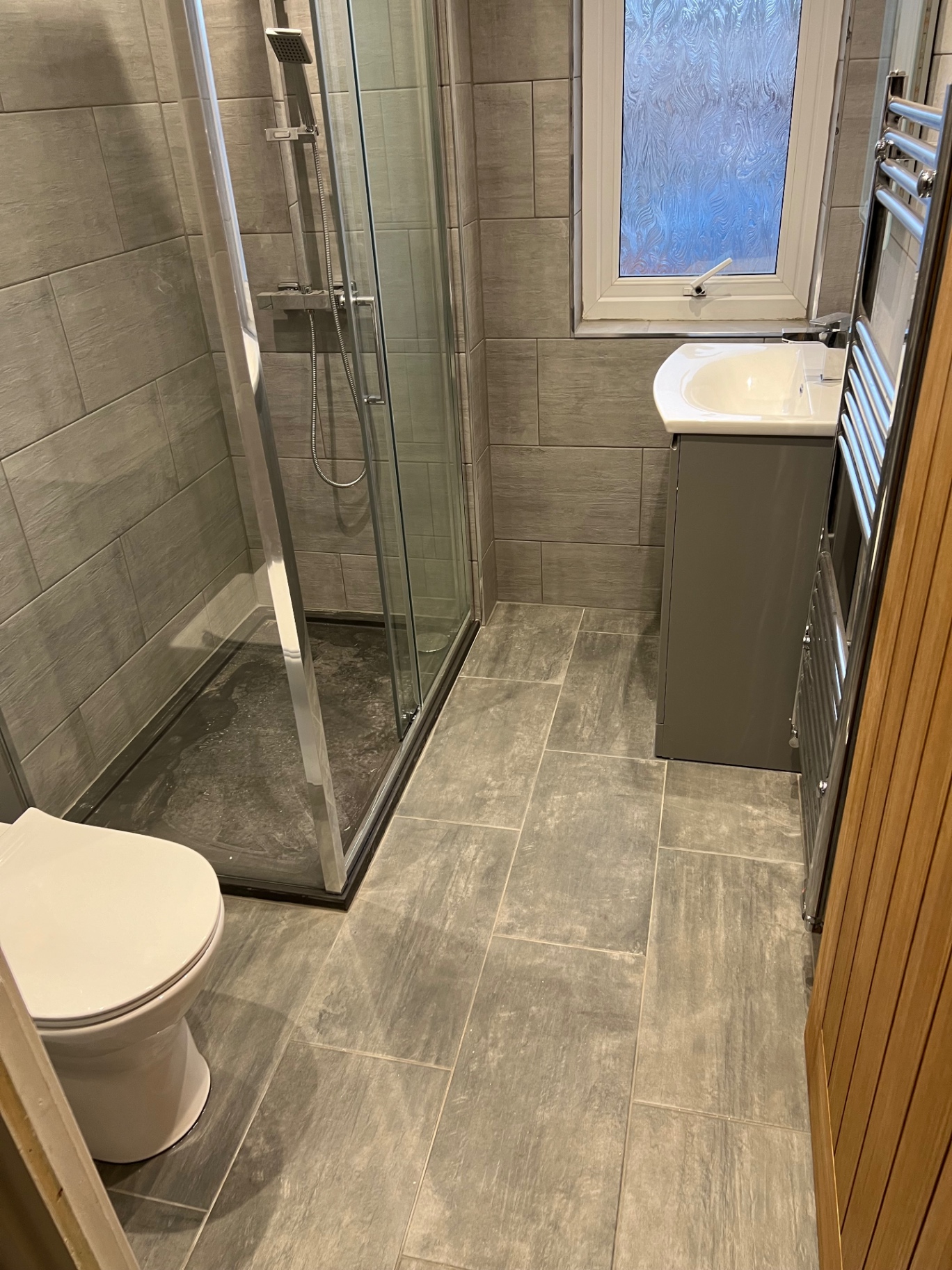
Future-proofing isn't just about the plant room; it's about every room. A huge mistake is renovating a kitchen or bathroom and sticking in old-school, water-wasting fixtures.
How to fix it: When you’re doing those bathroom renovations in Farnham or a new kitchen fit-out, choose high-efficiency taps, low-flow toilets, and appliances that don't drink electricity. It all adds up to a home that's cheaper to run and better for the planet.
6. The "Random Reno" Trap
We’ve seen folks do a garage conversion one year, a loft conversion the next, and then try to stick a heat pump in later. The problem? The pipework from the first two jobs isn't big enough for the new system, or the insulation wasn't quite right for the "whole house" plan.
How to fix it: Even if you aren't doing everything at once, have a master plan. Tell your builder or plumber (hopefully us!) what your 5-year goal is. That way, when we do your house extension, we can lay the right foundations for that future heat pump or solar array.
7. Waiting for the "Perfect" Time
"I’ll wait until the government grants get better," or "I'll wait until the tech is 5% more efficient." Meanwhile, your old boiler is chugging away, costing you a fortune in repairs and gas. The best time to start future-proofing was yesterday; the second best time is today.
How to fix it: Start small if you have to. Even a boiler service and repair can improve your current efficiency while you plan the bigger moves. Don't let "perfect" be the enemy of "much better."
The results speak for themselves. We’ve helped heaps of families across Surrey turn their homes into eco-friendly powerhouses. It’s not just about saving the planet: it’s about having a home that’s comfy, warm, and doesn’t make you wince when the bill hits the mat.
If you’re ready to stop making these mistakes and start a real plan, give us a shout. We're a friendly bunch, and we know our way around a Surrey boiler room like nobody else.