
Let’s be honest, the way we think about our homes in Surrey has changed massively over the last couple of years. It wasn’t that long ago that "future-proofing" was just a fancy buzzword people used when they were trying to sell you a high-tech gadget you didn't really need. But now? With energy prices doing whatever they want and the climate changing, it’s become a bit of a necessity. Whether you’re over in Farnham, living in the heart of Guildford, or settled down in Bordon, making sure your home is ready for the future is the smartest move you can make.
But where on earth do you start? If you look online, you’ll see people shouting about solar panels, others saying you need a heat pump yesterday, and some people telling you to rip out your kitchen. It’s overwhelming.
At Heat Eco Building Services, we see this all the time. People want to do the right thing for their wallet and the planet, but they don't want to waste money on the wrong thing at the wrong time. This is why I’m kicking off this 7-day series. We’re going to walk through everything, from PV solar to battery storage, but today, we’re starting with the most important rule of all: Fabric First.
Why "Fabric First" Is Your Secret Weapon
If you take one thing away from this post, let it be this: don't buy the shiny new heating technology until you’ve fixed the "sieve" that is your house.
We’ve been into so many lovely homes across Surrey where the owners have spent a fortune on a brand-new, high-efficiency boiler, only to find their bills are still sky-high. Why? Because the heat is literally flying out of the roof and through the gaps in the windows. It’s like trying to fill a bathtub without putting the plug in first. You’re just wasting energy and, more importantly, your hard-earned money.
Future-proofing starts with the fabric of the building. This means your insulation, your windows, and your doors. If your home can’t hold onto the heat you’re generating, no amount of eco-friendly tech is going to save you. We always tell our clients to look at their home improvement goals holistically. Start with the basics.
- Loft Insulation: It’s boring, I know. Nobody wants to talk about rolls of mineral wool at a dinner party. But it is the single most effective thing you can do. Most older houses in Guildford have insulation that's either too thin or has been squashed down over the years.
- Draught Proofing: Those little cold breezes coming from under the door or around the edges of your windows? They are the enemy.
- Windows and Doors: If you’re still rocking single glazing or very old double glazing, you’re losing a massive amount of thermal efficiency.
The Heating Heart: Boilers vs. The Future
Once you’ve got your home's fabric sorted, then, and only then, should you start looking at the "engine" of your house: the heating system.
A lot of people think that future-proofing means you have to get rid of a gas boiler immediately. That isn’t necessarily true. While the UK is moving toward Air Source Heat Pumps (ASHP), a modern, high-efficiency boiler installation can still be a massive leap forward if you’re currently using a 15-year-old clunker.
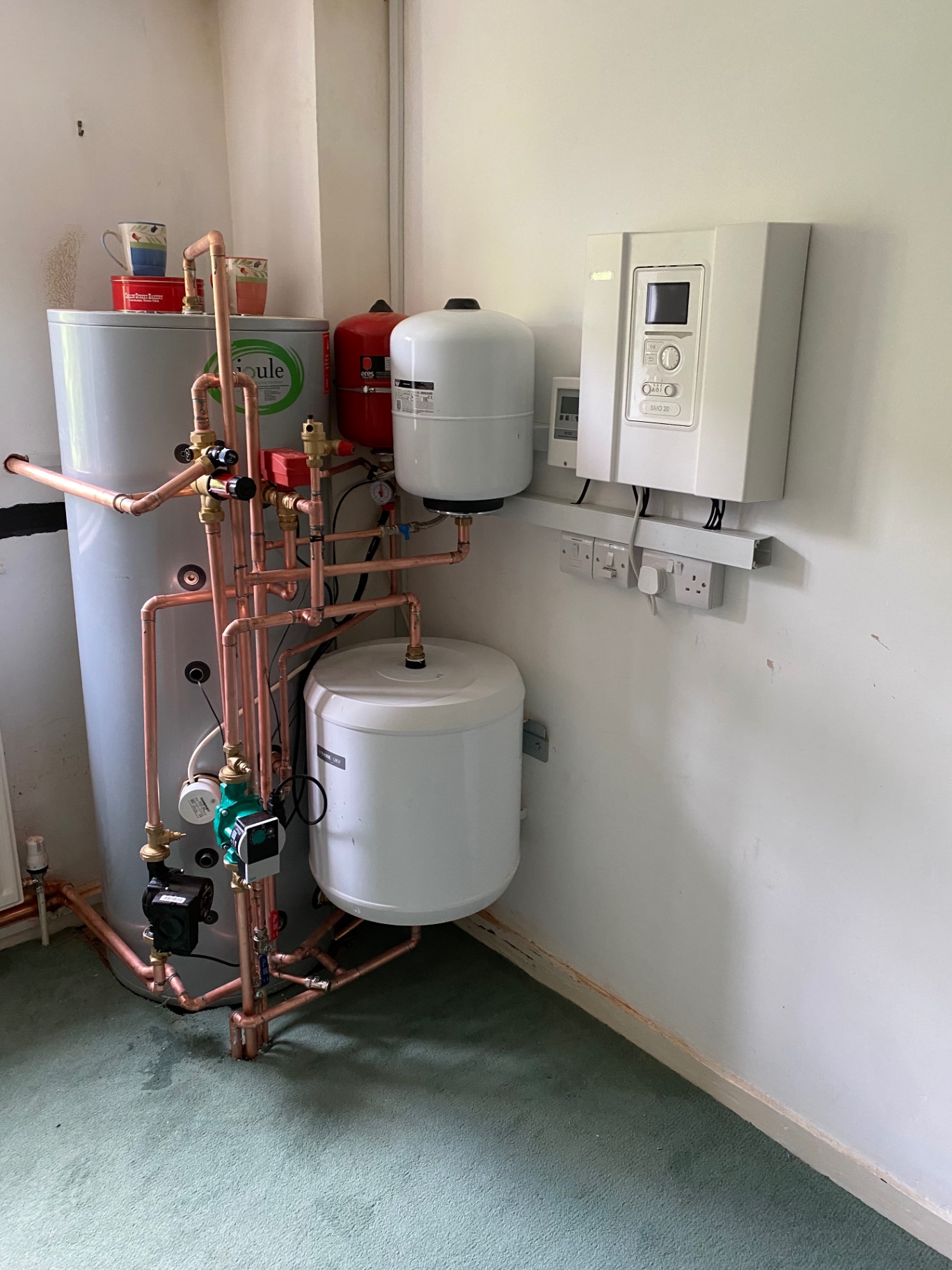
However, if you are looking to truly future-proof, you should be looking at systems that can run at lower temperatures. This is where things like underfloor heating come into play. It’s not just about having warm toes in the morning (though that is a lovely bonus); it’s about efficiency. Traditional radiators need very hot water to work well, but underfloor heating covers a much larger surface area, meaning the water doesn’t need to be nearly as hot. This makes it the perfect partner for future technologies like heat pumps.
Who wants a nasty, inefficient system in there house these days anyway? Not us, and definitely not our customers. We’ve been helping families in Bordon and the surrounding areas transition to these setups, and the difference in comfort is night and day.
Don't Forget the Water Works
When we talk about future-proofing, we often focus on electricity and gas, but water is a huge part of the puzzle. An eco-friendly home is a water-efficient home. This is where your kitchen and bathroom renovations come in.
Think about your plumbing fixtures. Are you using more water than you need to? Modern taps, dual-flush toilets, and aerated showerheads can save a staggering amount of water without you even noticing a change in pressure.
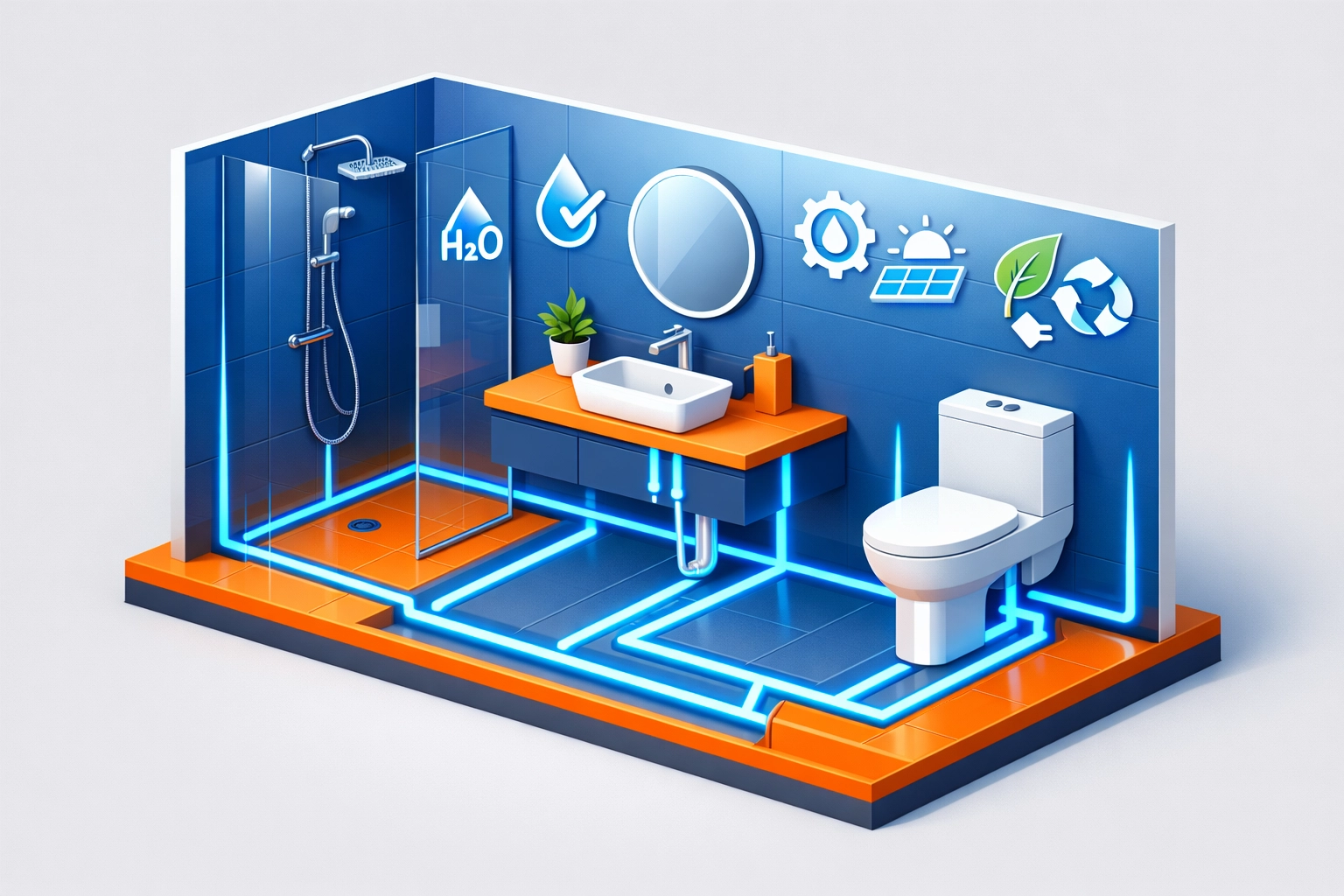
When we handle a bathroom renovation, we don't just look at the tiles and the vanity unit, though we love making them look stunning. We look at how we can make that room work better for the next twenty years. This includes everything from the pipes behind the walls to the efficiency of the towel rail.
The Comfort Factor: Underfloor Heating
I mentioned it briefly, but underfloor heating really is the "gold standard" for a future-proofed Surrey home. If you’re planning on staying in your property for the long haul, this is one of the best investments you can make.
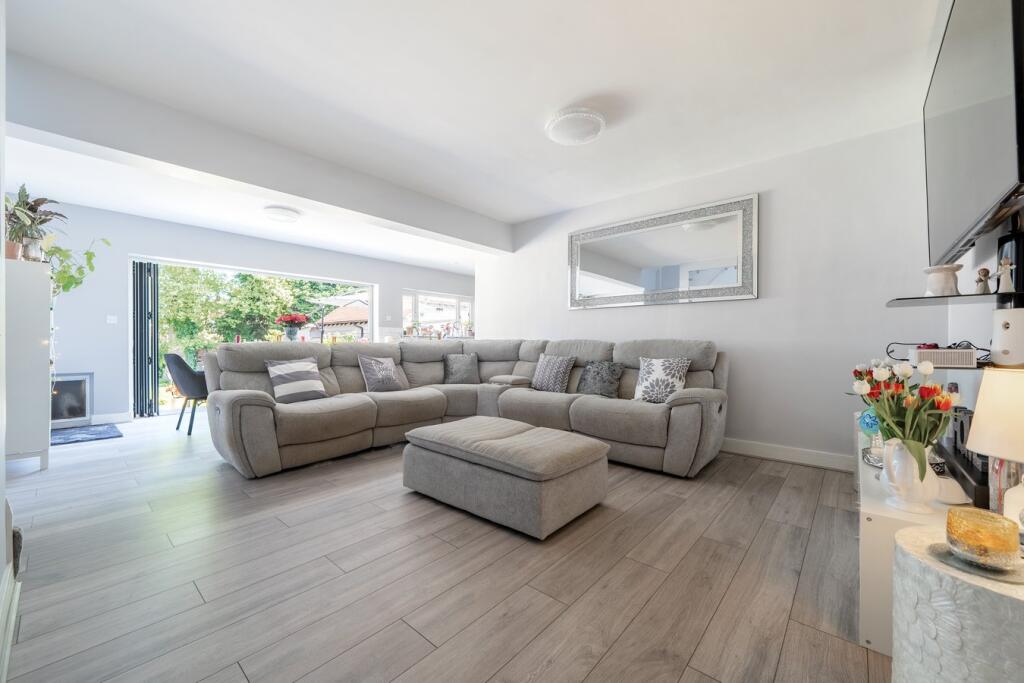
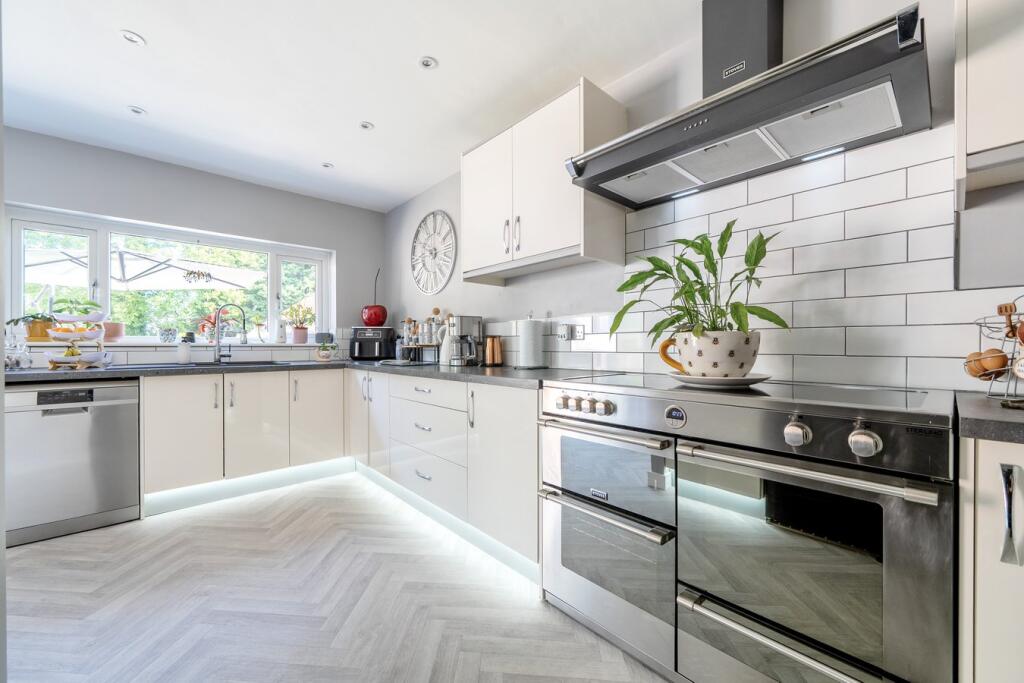
It’s efficient, it saves space because you don't need bulky radiators on every wall, and it provides a much more consistent heat. Plus, from a building maintenance perspective, modern underfloor systems are incredibly reliable once they are installed correctly. We love seeing the look on a client’s face when they walk across their new kitchen floor for the first time in the winter. It’s pure cooking magic when the room feels that cozy.
The 7-Day Roadmap
So, this is "Day 1." We’ve talked about the "Fabric First" approach and why you need to get the basics right before moving on to the heavy-duty tech. Over the next week, I’m going to be diving deep into the specifics of how you can turn your home into an eco-powerhouse.
Here is what we have coming up:
- Day 2: Solar PV Panels – Are they actually worth it in rainy Surrey? (Spoiler: Yes!)
- Day 3: Battery Storage – How to keep the energy you generate instead of giving it back to the grid.
- Day 4: Air Source Heat Pumps – The ultimate guide for Farnham and Guildford homeowners.
- Day 5: Eco-Boiler Upgrades – When a boiler is still the right choice.
- Day 6: The "Wet Room" Revolution – Why modern bathrooms are moving toward high-efficiency wet rooms.
- Day 7: Putting it all together – Creating your long-term home plan.
The Bathroom Connection
You might be wondering what a bathroom has to do with future-proofing. Well, a lot actually. When we do a bathroom renovation, we are often replacing old, leaky pipework that’s been causing hidden damage for years. By upgrading to modern materials and eco-conscious fixtures, you’re preventing future maintenance headaches.
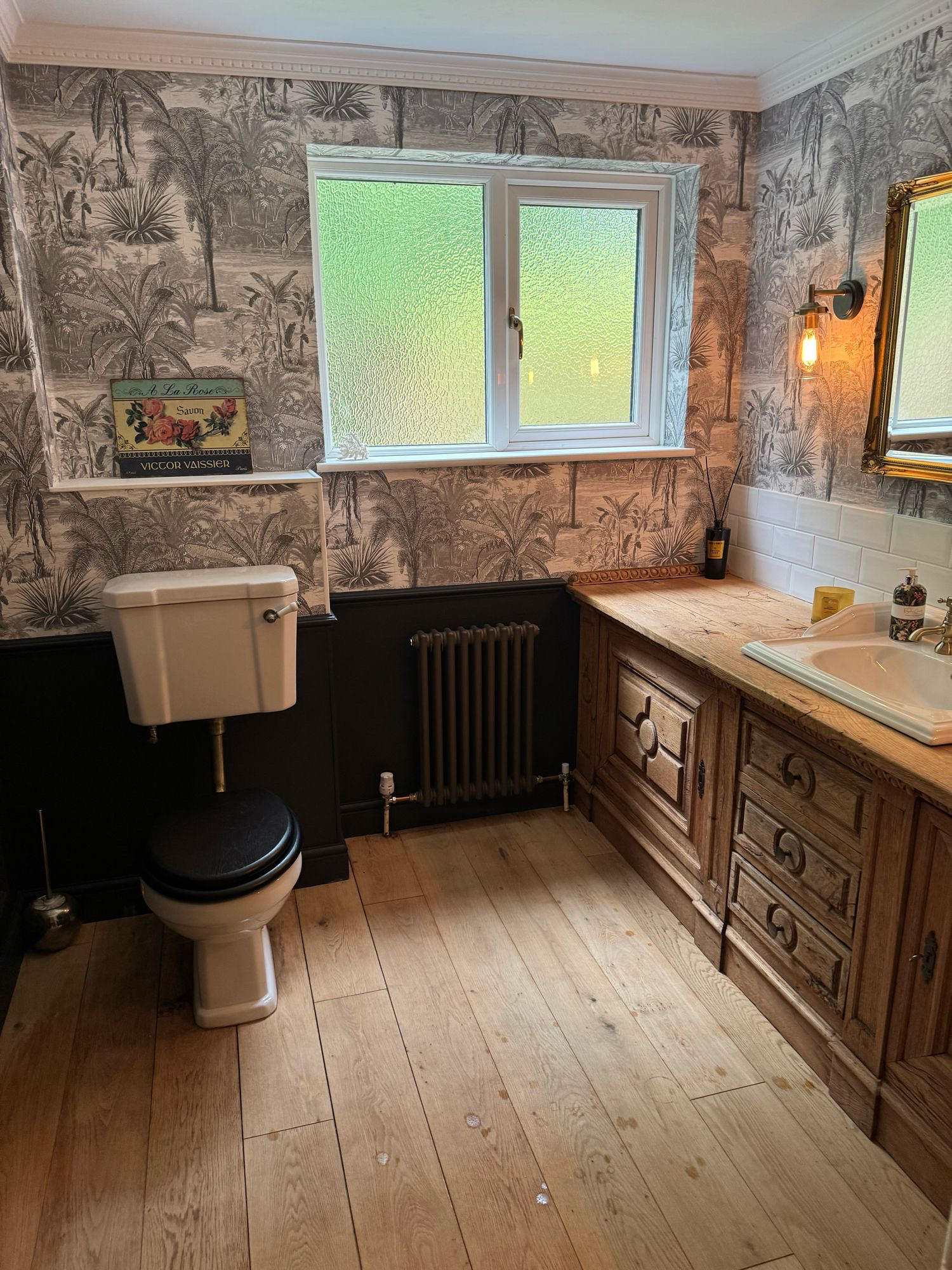
We recently finished a project in Guildford where the client wanted a complete overhaul. We installed a water-saving toilet and a highly efficient radiator, all while keeping that "vintage" feel they loved. The result speaks for itself: a room that looks beautiful but performs like a modern machine.
Final Thoughts for Today
Future-proofing your home isn't something you have to do all at once. It’s a journey. But if you start with the fabric of your building and think about how your plumbing and heating work together, you’re already miles ahead of the game.
We’ve seen too many people get talked into expensive solar setups before they’ve even insulated their lofts. Don't be that person! Take a breath, look at where your heat is escaping, and let's build a plan from the ground up.
If you’re sitting there in your living room feeling a bit of a draught or looking at a boiler that’s making some very strange noises, maybe it’s time to start thinking about that first step. Whether it’s a quick plumbing fix or a whole new heating strategy, we’re here to help you make sense of it all.
Stay tuned for tomorrow, where we’re going to be talking about the sun: and how we can use it to power your Surrey home even on those grey, drizzly afternoons we know so well.
Catch you then,
Michael Randall
Director, Heat Eco Building Services