
Winter in Surrey can be a bit of a mixed bag, can’t it? One minute you’re enjoying a crisp, frosty morning walk near the North Downs, and the next you’re shivering in your living room because the old gas boiler is playing up again. We’ve all been there. You turn the thermostat up, the radiators get scorching hot for twenty minutes, then they go stone cold, and you're back to wearing two jumpers and a blanket. It’s a bit of a cycle, really. But what if there was a way to keep your home at a steady, lovely temperature all day and night without burning through a fortune in gas?
That’s where Air Source Heat Pumps (ASHPs) come in. Over at Heat Eco Building Services, we’ve been seeing a massive shift in places like Farnham, Guildford, and Bordon. People are waking up to the fact that the way we’ve been heating our homes for the last fifty years is, well, a bit outdated. If you’re looking to future-proof your home, an ASHP isn't just a "green" choice, it’s a total upgrade to how you actually live in your house during the colder months.
So, What Is This Magic Box Exactly?
Most people see a heat pump and think it’s just a fancy air conditioning unit sitting outside. And while it looks similar, what it’s doing is actually quite clever. It takes the heat from the outside air, even when it feels freezing to us, and compresses it to create warmth for your heating and hot water.
Think of it like a fridge but in reverse. A fridge takes heat from the inside and pushes it out; a heat pump takes heat from the outside and pushes it in. Even when it’s -5°C outside in Guildford, there’s still thermal energy in the air that the pump can use. It’s remarkably efficient. While a brand-new gas boiler might be 90% efficient, a well-installed air source heat pump can reach efficiencies of 300% to 400%. That means for every kilowatt of electricity you put in, you’re getting three or four kilowatts of heat out. You can’t really argue with that math, can you?

The End of the "Radiator Burn"
The biggest change you’ll notice in your winter experience isn't just the bill; it’s the comfort. Traditional boilers work on a "blast" system. They fire up, send boiling water to your radiators, and then shut off. This creates hot and cold spots. One corner of the room is roasting, the other is drafty.
Air source heat pumps are different. They like to run "low and slow." Instead of sending 70°C water through your pipes, they might send 35°C or 45°C water constantly. This keeps the thermal mass of your house, your walls, floors, and furniture, at a steady temperature. No more spikes. No more waking up to a freezing house because the timer hasn't kicked in yet. With an ASHP, your home stays consistently warm.
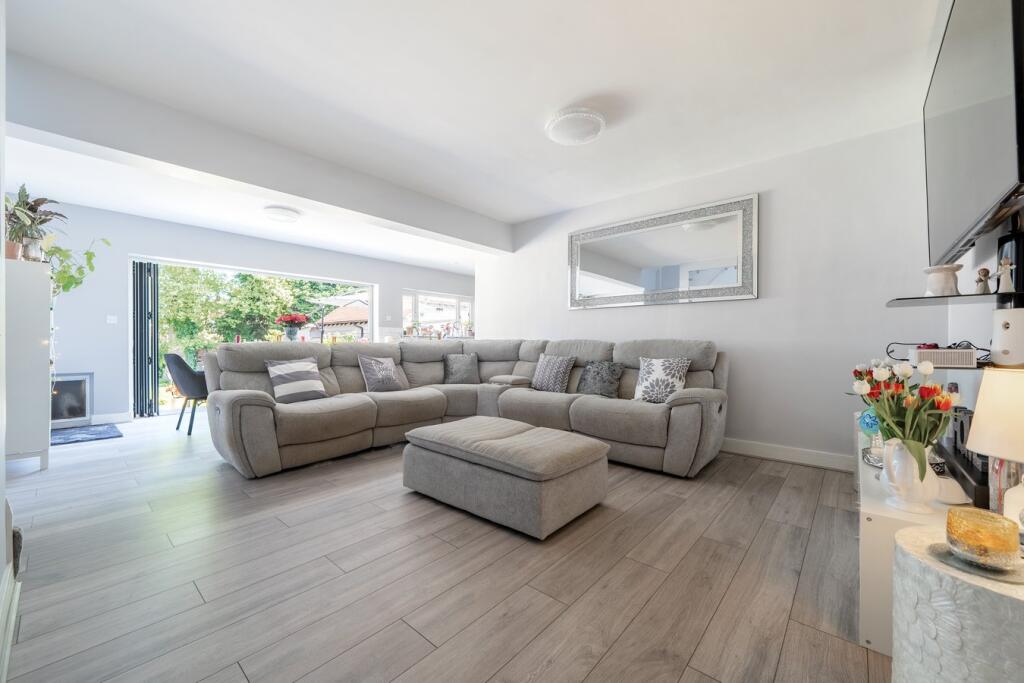
If you’ve got underfloor heating, then you’re really in for a treat. ASHPs and underfloor heating are like a match made in heaven. Because the heat pump works so well at lower temperatures, it can gently warm the floor throughout the day, making your whole living space feel cozy from the ground up.
Why Surrey Homeowners are Making the Switch
We’ve been doing a lot of work in Farnham and Bordon lately, and the feedback is always the same: "I wish I’d done this sooner." There’s a few reasons why our local area is perfect for this tech:
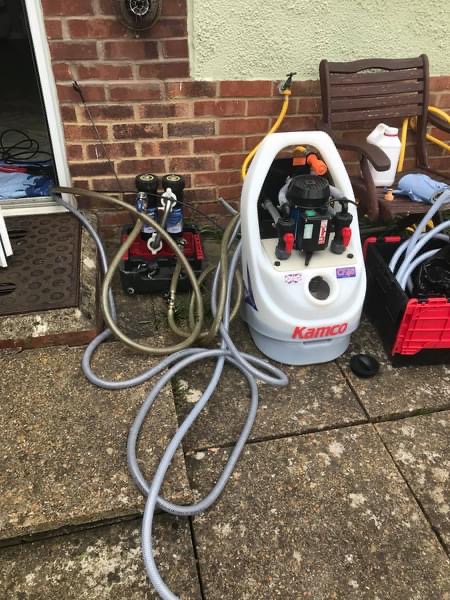
- The Homes: Surrey has a lot of beautiful older properties, but also plenty of modern builds. Whether you’re in a Victorian terrace or a new build in Guildford, we can usually find a way to make a heat pump work. Sometimes it requires a bit of a power flush on your existing pipes to make sure everything is running clear before the new system goes in.
- The Grants: The government is still offering some pretty decent incentives to help people ditch gas. The Boiler Upgrade Scheme (BUS) can take a huge chunk off the installation cost. We help our clients navigate all that paperwork because, let’s be honest, who wants to deal with government forms on a Sunday?
- Future-Proofing: With gas prices being as volatile as they are, getting onto an electric-based system is just smart. Especially if you’re thinking about adding PV solar panels or battery storage later on. You can eventually get to a point where you’re generating the power to heat your own home. Now that’s a nice feeling.
It’s Not Just About the Heat
One thing people forget is that ASHPs also improve the air quality in there home. Since you aren't burning gas or oil on-site, there’s no risk of carbon monoxide from the heating unit itself, and there's no combustion happening inside your four walls. It’s a cleaner, drier type of heat that can actually help reduce damp and condensation, a common bugbear for us in Surrey during the wet winters.
And let’s talk about the noise. People worry that these things sound like a jet engine. Modern units from the brands we use are incredibly quiet. If it’s installed correctly on a proper base, you’ll barely notice it’s there. You’ll probably hear your neighbor’s old boiler vibrating more than your own heat pump.
What Does the Installation Look Like?
We try to make the process as painless as possible. Usually, it starts with us coming out to do a full heat loss calculation of your home. We don't just guess. We look at your windows, your insulation, and how you use your rooms. This ensures we size the pump perfectly. Too big and it wastes energy; too small and you’ll be cold.
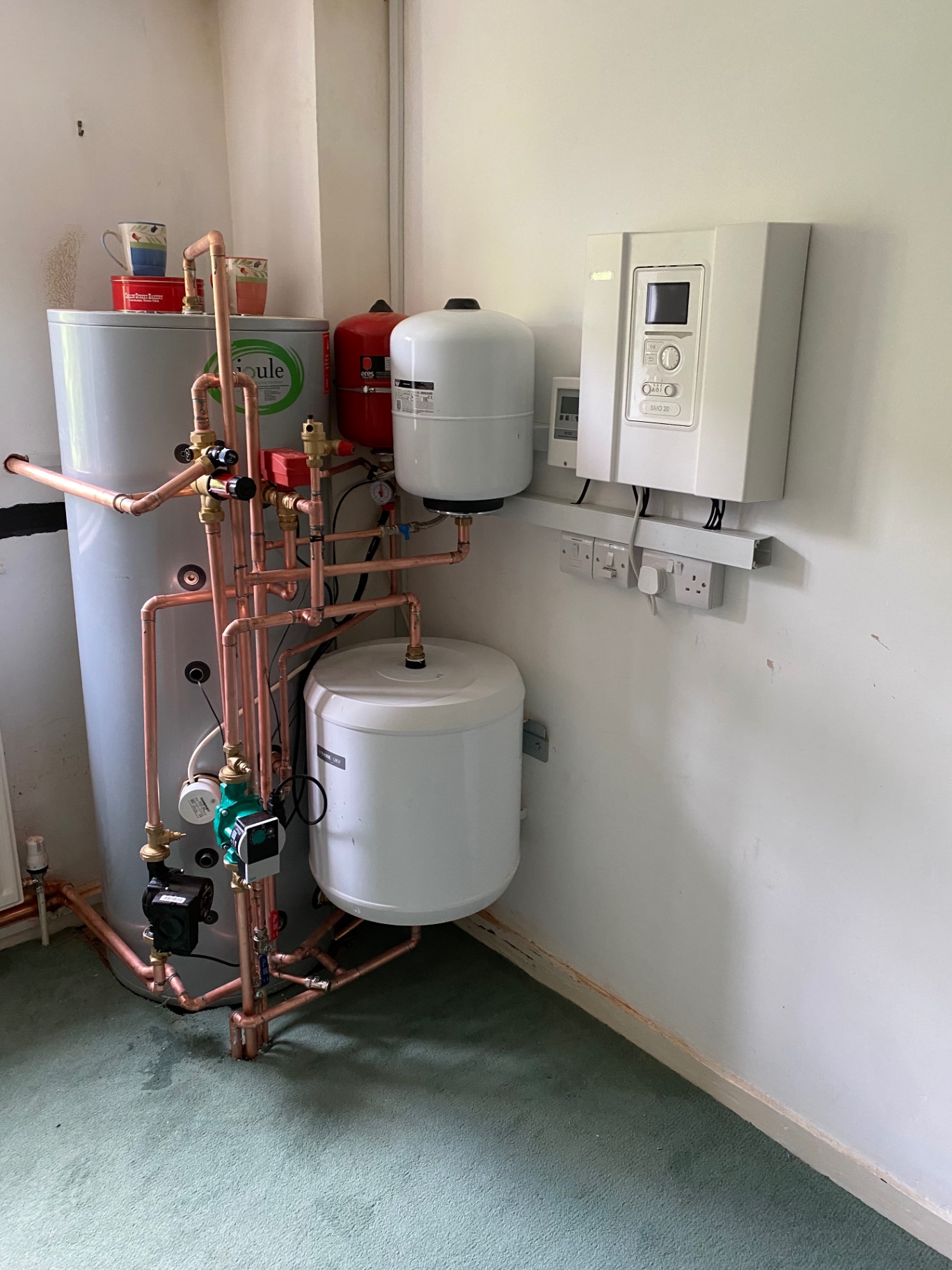
The actual install usually involves placing the outdoor unit (the "fan box") in a sensible spot and then installing a new hot water cylinder inside. These cylinders are highly insulated and designed to work specifically with the lower flow temperatures of a heat pump.
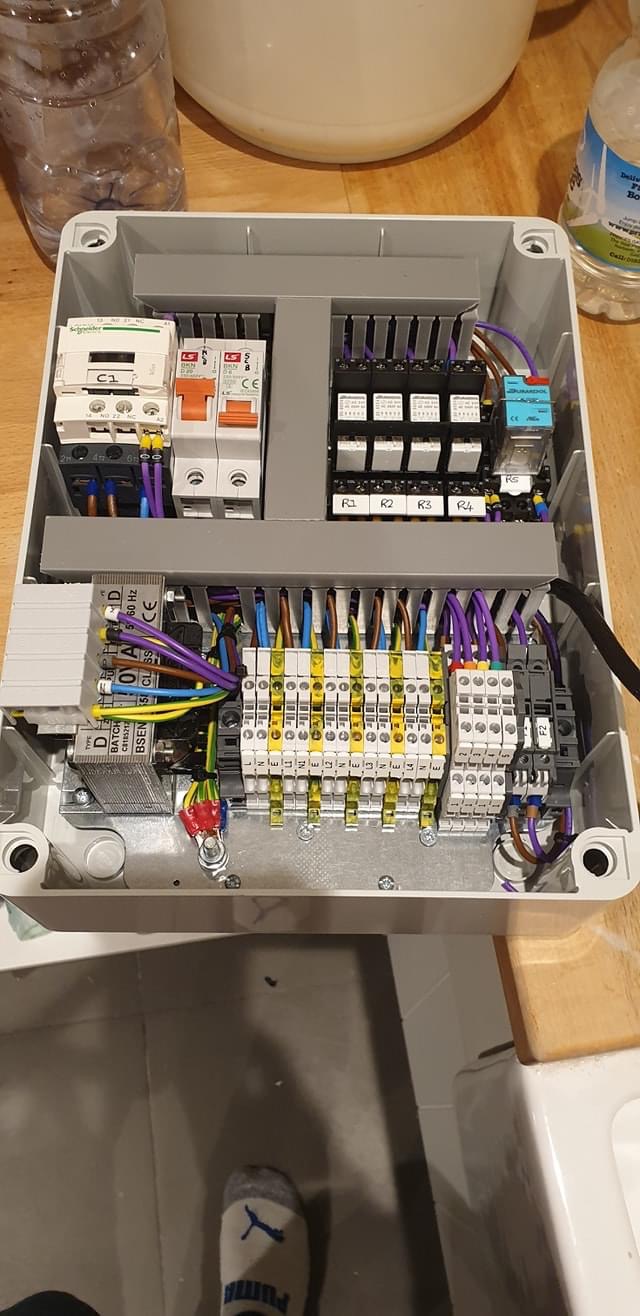
We’ve seen some pretty messy installs in our time from other companies, but we pride ourselves on neat pipework and organized electrical panels. It’s got to look good as well as work well.
A Few Things to Consider
Is an ASHP right for everyone? Almost, but not quite. If your house is really drafty or has zero loft insulation, you’re basically trying to heat the garden. We’ll always be honest with you, if you need to top up your insulation first, we’ll tell you. There’s no point putting in a high-tech system if all the heat is escaping through the roof.
Also, you might need slightly larger radiators than you currently have. Since the water isn't "scalding" hot, you need a bit more surface area to get the same amount of warmth into the room. It’s a simple swap, and often we can use your existing pipework if it’s in good nick. A quick drain inspection or system check can usually give us all the answers we need.
The Heat Eco Promise
We aren't just some big national firm that doesn't care once the job is done. We’re local. If you’re in Bordon and you’ve got a question, we’re just down the road. We’ve built our reputation on being friendly, reliable, and knowing our stuff. Whether it’s a plumbing emergency or a full eco-renovation, we treat every house like it’s our own.
Winter doesn't have to be a season of dreading the energy bill or fighting over the thermostat. Switching to an air source heat pump is about taking control of your home’s environment. It’s about that feeling of walking into a perfectly warm house after a long day, knowing you’re doing your bit for the planet and your wallet at the same time.
If you’re curious about how this could work for your specific home in Surrey, give us a shout. We love talking shop and helping people figure out the best way to upgrade there living space. It’s a bit of an investment, sure, but the peace of mind and the comfort you get back? Well, that’s priceless when the frost starts creeping across the windows.
Anyway, that’s Day 3 of our future-proofing series. Tomorrow we’re diving into solar panels and how to catch some of that rare British sunshine to power your new heat pump. Stay warm out there!