
Who wants a nasty high energy bill in there house these days? Not many of us. We've been chatting with a lot of you over in Farnham and Guildford lately, and the main thing on everyone's mind is how to stop throwing money out the window. Whether it's the drafty windows or that old boiler that sounds like a tractor, we all know things could be better.
This post is the first in our new 7-day series all about future-proofing your home. We’re going to walk you through how to take your place from an energy-guzzler to a sleek, eco-friendly machine that actually puts money back in your pocket. It’s not just about being green (though that’s a massive plus), it’s about making your home the most comfortable place it can be.
Let’s dive into the five steps you need to take to plan a full home eco-upgrade without losing your mind: or your life savings.
Step 1: The "Where Are We Now?" Phase (Assessment & Funding)
Before you start ripping things out or ordering fancy new kit, you’ve got to know what you’re working with. It's like cooking: you wouldn't start a roast without checking if you've got the spuds, would you?
First things first: check your EPC (Energy Performance Certificate). If you haven't got a recent one, get it done. Most of the best grants out there: like the ones we see helping people in Bordon and Godalming: are targeted at homes sitting in bands D through G. If your EPC says you need loft insulation, you’ve got to sort that before you can even think about getting the big government grants for heat pumps.
Speaking of grants, there is a lot of help available right now in 2026. The Boiler Upgrade Scheme (BUS) is still a big one, offering up to £7,500 for air source heat pumps. Then there’s the Warm Homes Local Grant which is brilliant for lower-income households. And don't forget, there’s currently 0% VAT on energy-saving installs until March 2027. That’s a massive saving right off the bat.
Take a walk around. Do you have damp? Is there mould behind the wardrobe? Surrey guidance is really clear on this: fix the damp before you add insulation. If you trap that moisture behind new materials, you're just asking for trouble later on.
Step 2: The "Fabric First" Rule
We see it all the time. People want to jump straight to the sexy stuff like solar panels, but their roof has basically no insulation. It’s like putting a high-tech heater in a tent. You’ve got to sort the "fabric" of the building first.
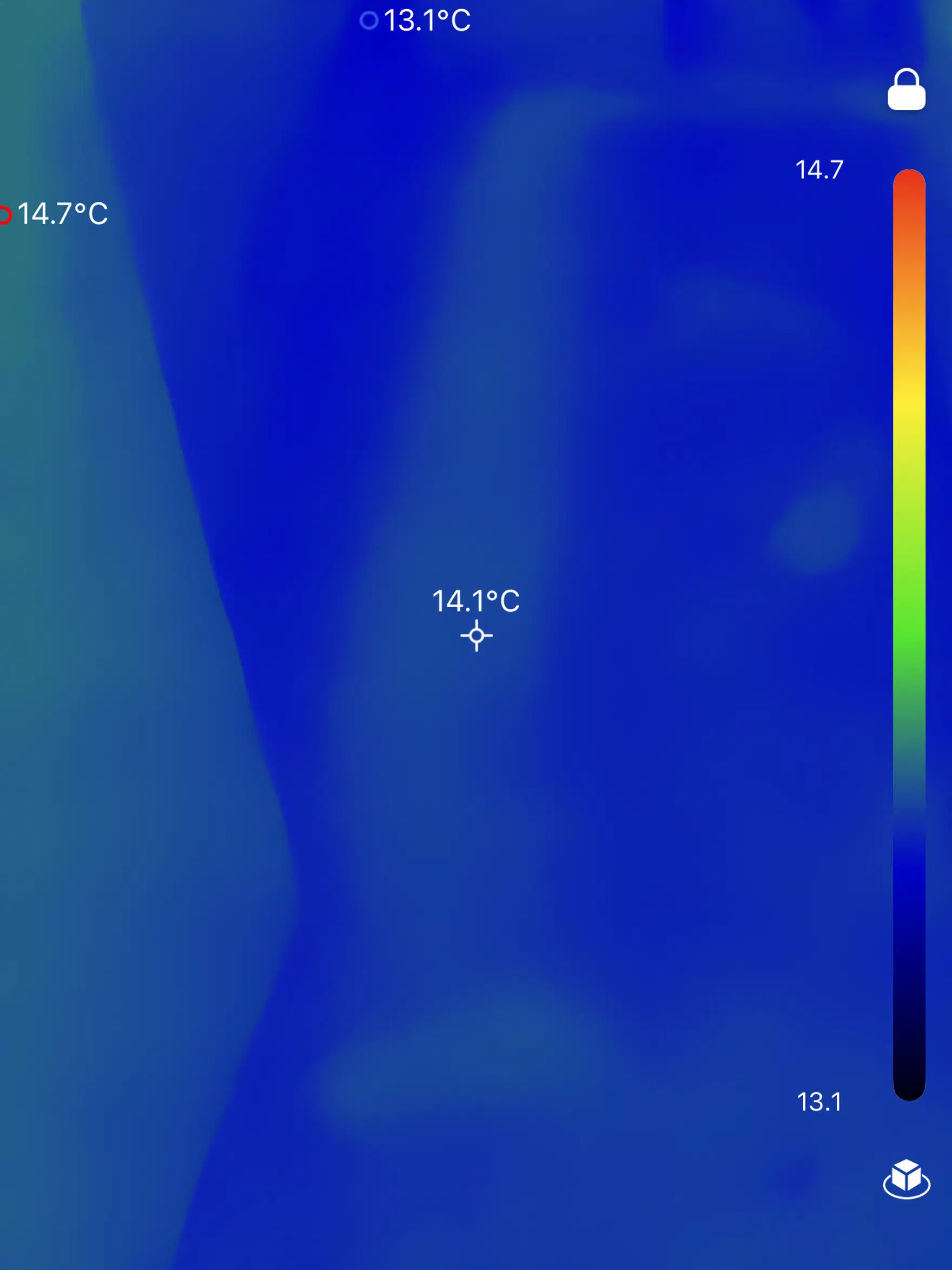
At Heat Eco, we often use thermal imaging to show homeowners exactly where their money is escaping. Usually, it's the loft, the cavity walls, or even through the floor. Boosting your insulation is the single most cost-effective thing you can do.
- Loft Insulation: Get it up to modern standards (about 270mm-300mm).
- Cavity Walls: If your house was built between the 1920s and 1990s, you might have a gap that can be filled.
- Draught Proofing: Don't ignore the letterbox or those gaps under the skirting boards. It all adds up.
Once the house is "wrapped up" properly, your heating system doesn't have to work nearly as hard. That’s how you actually start saving the big bucks.
Step 3: Upgrading the Heart of the Home (Heating)
Now we’re talking. Once your home is insulated, it’s "heat-pump ready." This is where the magic happens. For most of our clients in Surrey, an Air Source Heat Pump (ASHP) is the way to go.
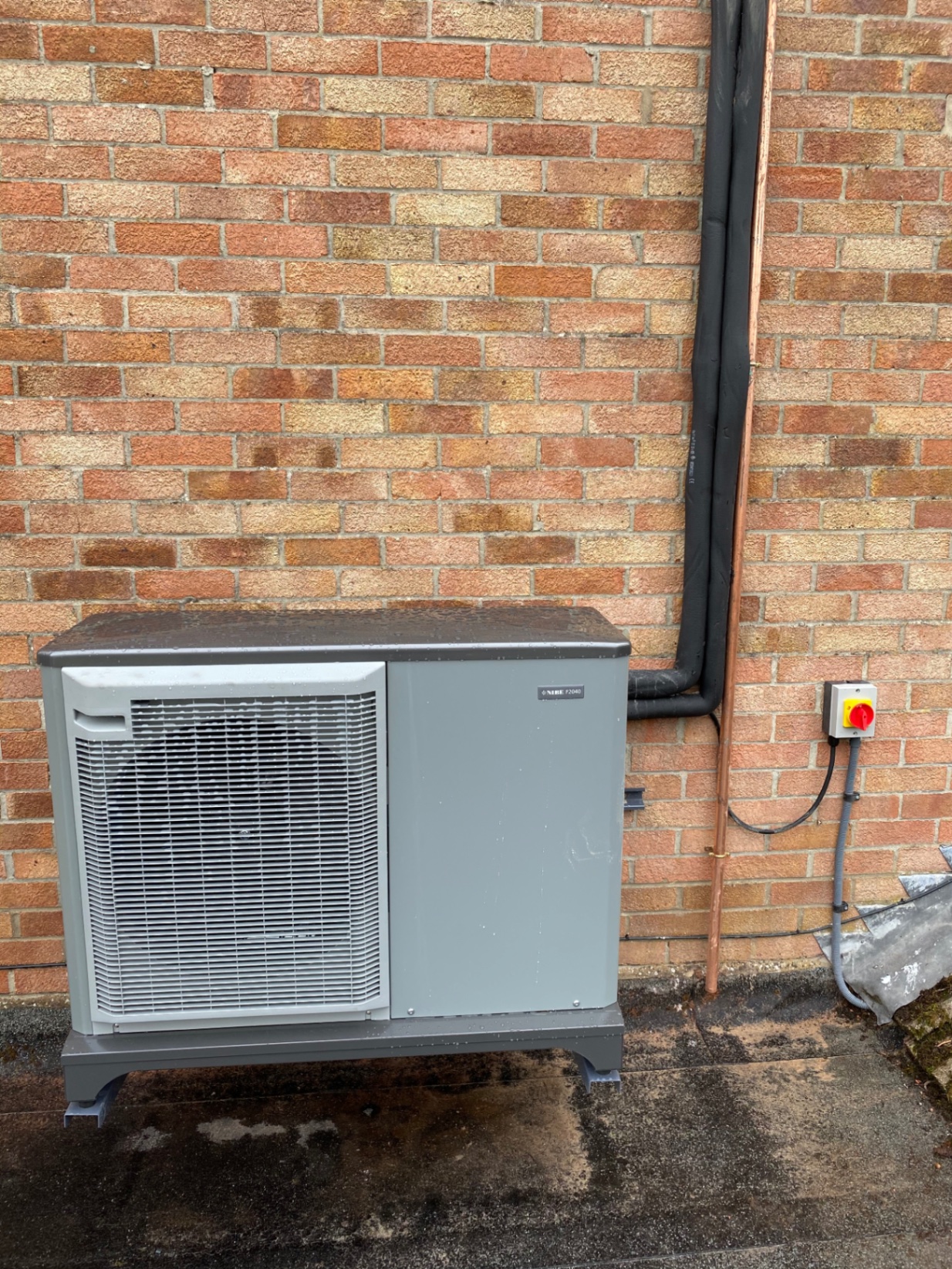
We’ve been doing a lot of heat pump installations in Farnham and Guildford lately. They work by pulling heat from the outside air (even when it’s freezing!) and moving it into your home. They are incredibly efficient: for every 1kW of electricity you put in, you can get 3kW or 4kW of heat out. Compare that to an old gas boiler that’s maybe 70-80% efficient, and you can see why the bills drop.
If a heat pump isn't right for you just yet, maybe because of your specific property type or budget, don't worry. A modern, A-rated eco-friendly boiler upgrade can still make a huge difference compared to a 15-year-old clunker.
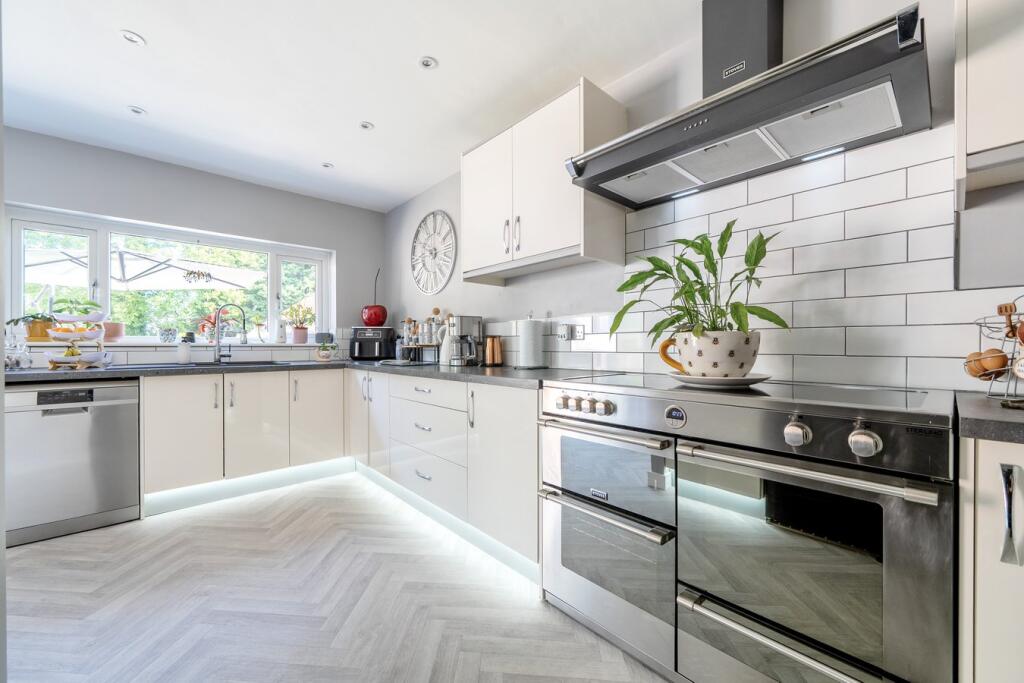
We also love pairing these systems with underfloor heating. It runs at a lower temperature than radiators, which makes it the perfect partner for a heat pump. Plus, there’s nothing like the feeling of warm toes on a cold Tuesday morning in January, is there?
Step 4: Making Your Own Power (Solar & Battery)
This is the bit that makes you feel like you’ve truly made it into the future. By installing PV Solar Panels, you’re basically running your own little power station on the roof.
In Surrey, we get plenty of daylight to make this worthwhile. But the real game-changer is adding a Home Battery. Why? Because most of us aren't home during the day when the sun is shining. Without a battery, that free electricity goes back to the grid for a few pennies. With a battery, you store it up and use it to run your lights, TV, and even your heat pump in the evening.

We’ve seen some of our customers in Bordon cut their grid reliance by over 70% just by getting the solar and battery combo right. You can check out more about our PV Solar services here. It’s a bit of an investment upfront, but with the 0% VAT and the sheer drop in monthly bills, it pays for itself much faster than it used to.
Step 5: Smart Monitoring & Staying Sharp
The final step is making sure you actually know what’s going on. Gone are the days of just turning a dial on the wall and hoping for the best. Modern eco-upgrades come with smart controls that you can run from your phone.
You’ll want a Smart Meter (if you haven’t got one, get on the phone to your supplier) and a Time-of-Use Tariff. These tariffs give you super cheap electricity at night. This is when you charge your home battery or run your dishwasher. If you’ve got an EV, this is also when you charge the car.
We always tell our clients to keep an eye on things. If you notice one room is suddenly colder, check the filters on your heat pump or see if a draught has developed. A little bit of maintenance goes a long way. We handle commercial maintenance too, so we know how important it is to keep systems ticking over perfectly.
Wrapping It All Up
Planning a full home eco-upgrade might seem like a massive mountain to climb, but when you break it down into these five steps, it’s totally doable.
- Assess & Find Funding
- Fix the Fabric
- Upgrade the Heating
- Add Solar & Storage
- Monitor & Optimise
The results speak for themselves: a warmer home, lower bills, and the peace of mind that you're doing your bit for the planet. We’ve been helping families all across Surrey turn their houses into eco-havens, and we’d love to help you too.
If you’re ready to start your journey or just want a friendly chat about what might work for your specific house, get in touch with us at Heat Eco. We’re a local team, we know the area, and we’re obsessed with getting the best results for our customers.
Stay tuned for day 2 of our series where we’ll be looking deep into the world of Solar PV!