Getting your home ready for the future isn't just about being "green" anymore, it's about making sure you aren't paying through the nose for energy. Everyone in Bordon knows the bills have been a nightmare lately. We’ve been chatting to loads of folks around the Forest Centre and down towards Whitehill who are just fed up with drafty rooms and boilers that sound like a tractor. Honestly, who wants a nasty, cold house these days when the technology is there to fix it?
At Heat Eco Building Services, we’ve been helping neighbors across Hampshire and Surrey turn there homes into energy-saving machines. Whether you're in a classic brick semi or one of the newer builds, there’s always something you can do to future-proof your space. This guide is all about the simple, practical steps you can take right now to stop wasting cash and start feeling cozy.
We’re going to walk through five big steps. Some are small tweaks, others are bigger projects, but all of them are designed to keep your home running sweet for the next 20 years.
Step 1: The "Fabric First" Approach (Stop the Leaks!)
Before you even think about fancy gadgets or new boilers, you’ve gotta look at the "fabric" of your house. There is literally no point in putting a massive, expensive heating system into a house that’s leaking heat like a sieve. We see it all the time, people spend a fortune on a new system but their loft has about two inches of old, dusty insulation that’s doing absolutely nothing.
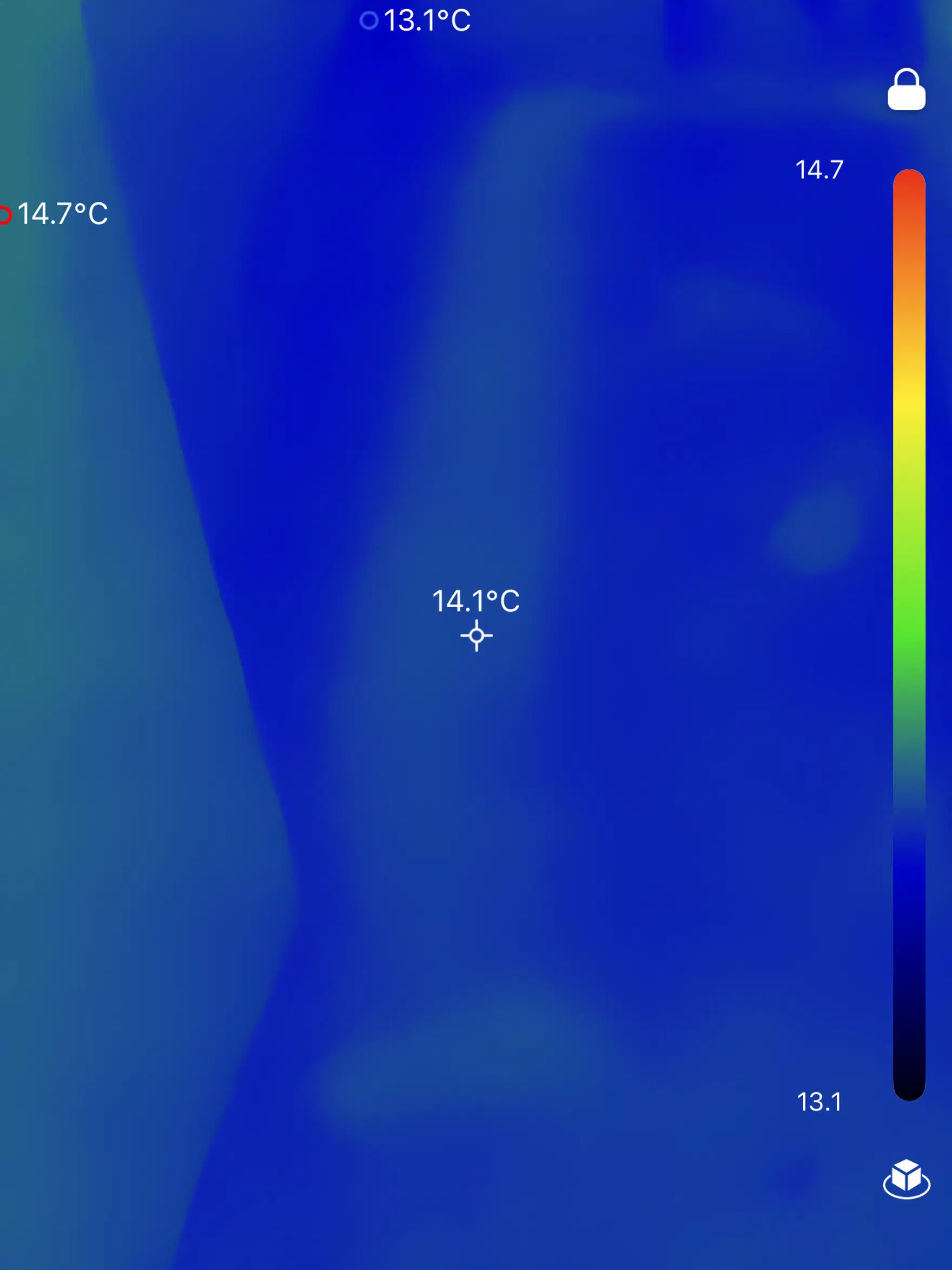
The first thing we recommend is a proper look at where you're losing heat. We often use thermal imaging (like the one above) to see exactly where the cold air is sneaking in. Usually, it’s the usual suspects:
- The Loft: You want at least 270mm of insulation up there. It’s one of the cheapest things you can do, and it makes a massive difference.
- Cavity Walls: If your house was built between the 1920s and the 1990s, you might have empty cavities. Filling them is a game changer.
- Drafts: Check your front door, your windows, and even your letterbox. A few quid on some draft-proofing strips can save you a packet.
In Bordon, there are actually some great grants available for this kind of thing. The Great British Insulation Scheme (GBIS) is running until 2026 and can help with the costs if your home has a lower EPC rating. It’s definitely worth checking out if you’re in a Council Tax band A-D. We’ve helped many locals navigate these emergency plumbing and maintenance needs in Bordon and often, the first step is just stopping the leaks.
Step 2: Harvesting the Sun with PV Solar and Battery Storage
Once your house is wrapped up tight, it’s time to talk about making your own power. Solar PV (Photovoltaic) panels aren't just for people with massive mansions. They’ve become way more affordable, and the tech is much better than it was ten years ago.
The real secret sauce though isn't just the panels, it’s the Battery Storage.
See, the problem with solar is that it generates most of its power when you're probably at work. Without a battery, that power just goes back to the grid for pennies. With a battery, you save that "free" energy and use it to run your telly, your oven, and your lights in the evening. It’s a massive part of future-proofing because it makes you less dependent on whatever the big energy companies decide to charge that week.
If you're a low-income household or on certain benefits, the ECO4 scheme might even cover the cost of solar for you. We love seeing Bordon residents take advantage of these Hampshire-wide programs. It’s all about making sure your home is an asset, not a drain on your bank account.
Step 3: Switch to an Air Source Heat Pump (The Future is Electric)
Now, this is a big one. The UK government is pushing hard to move away from gas and oil. If you’re still running an old oil boiler out in the more rural parts of Bordon or a clunky gas one in town, you might want to look at an Air Source Heat Pump (ASHP).
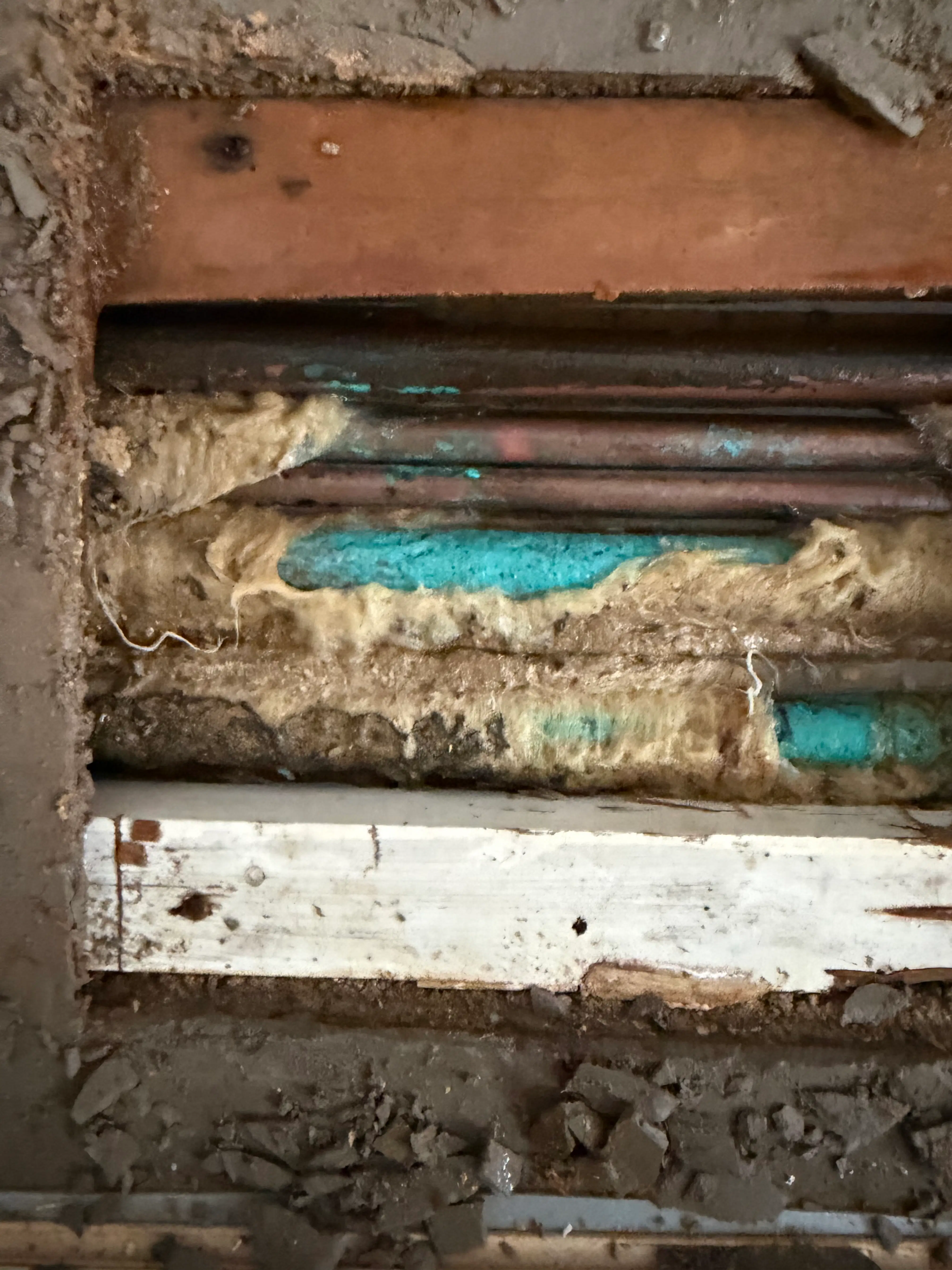
A heat pump works a bit like a fridge in reverse. It takes heat from the outside air (even when it’s freezing!) and uses it to heat your water and radiators. They are incredibly efficient, for every 1kW of electricity they use, they can put out 3kW or 4kW of heat.
"But aren't they expensive?" we hear you ask. Well, yeah, the upfront cost is higher than a boiler. But right now, the Boiler Upgrade Scheme (BUS) gives you a £7,500 grant towards the cost. That’s a huge chunk of change that makes the switch much easier on the wallet.
When we do a heating or plumbing installation, we make sure the pipework is properly insulated and sized correctly for a heat pump. It’s not just about swapping the box on the wall; it’s about making sure the whole system works together.
Step 4: Get Smart with Your Controls
You wouldn't leave your car engine running while you're in the supermarket, so why do we do it with our heating? Smart controls are the easiest way to modernize your home without ripping up floorboards.

With systems like Hive, Nest, or Tado, you can control every radiator in your house from your phone.
- Zoning: Why heat the bedrooms all day when you're in the lounge?
- Learning: These gadgets learn how long it takes your house to warm up and adjust themselves accordingly.
- Weather Compensation: Some systems even check the weather forecast in Bordon and turn the heat down if it’s going to be a sunny day.
It’s these little efficiencies that add up. Plus, it’s just dead handy being able to turn the heating on when you’re on the bus home from Guildford so the house is lovely and warm when you walk in. No more coming home to a frozen kitchen!
Step 5: If You're Keeping Your Boiler, Make it Eco-Friendly
We get it: not everyone is ready to jump into heat pumps just yet. If your boiler still has some life in it, or you’re just not in the position to switch, there are still ways to future-proof your current setup.
First off, if your boiler is more than 12-15 years old, it’s probably a "standard" boiler rather than a "condensing" one. Modern A-rated condensing boilers are way more efficient. We’ve installed hundreds of these across Bordon and Farnham, and people always notice the difference in their monthly spend.
Secondly, you’ve gotta look after the system you have. We always recommend a Power Flush. Over time, your radiators get full of black sludge (magnetite) that makes them less efficient. It’s like trying to run a marathon with a heavy backpack. A proper power flush cleans all that out, making your boiler work less and your house get warmer faster.
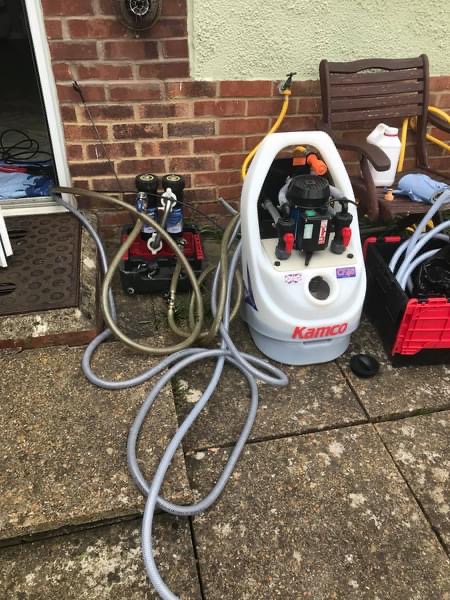
We also do a lot of commercial building maintenance, and the same rules apply. Whether it's your home or your business, keeping the system clean and serviced is the best way to prevent a total breakdown during a cold snap.
Wrapping It All Up
So, there you have it. Future-proofing your Bordon home isn't about doing everything at once. It's about a plan.
- Fix the leaks (Insulation).
- Look at the sun (Solar & Batteries).
- Think about the future of heat (Heat Pumps & Grants).
- Get smart (Controls).
- Maintain what you’ve got (Eco-boilers and cleaning).
The world of energy is changing fast, and with new grants like the Warm Homes Plan coming in 2026, there’s never been a better time to start thinking about this. We’re always around for a chat if you need advice on bathroom renovations or just want to know if your boiler is actually doing its job.
Don't wait until the next big price hike or until your old boiler finally gives up the ghost on a Sunday night. Give us a shout, and let's get your home ready for whatever the future throws at us. We’re local, we’re friendly, and we actually care about making Bordon a bit more eco-conscious, one house at a time…