
Updated: 16 October 2026
A boiler can seem perfectly fine right up until the first cold week, when it has to work harder and you notice a problem. An annual service is a chance to check its condition, test how it is running and catch issues before they turn into an inconvenient loss of heating or hot water.
If you’re looking for a boiler service in Farnham, October is a sensible time to arrange it. The heating season is beginning, but there may still be time to identify and plan for remedial work before the coldest weather arrives.
Why book a boiler service in October?
Your boiler might have spent much of the summer doing very little. As autumn arrives, it starts running more often, and any small weakness can become more noticeable. A service doesn’t guarantee that a boiler will never develop a fault, but it gives a qualified engineer the opportunity to inspect and test it before winter demand picks up.
October also gives you time to make a considered decision if the engineer finds something that needs attention. You can ask questions, understand the options and agree any additional work separately, rather than feeling rushed.
There’s no rule that says a boiler must be serviced in October. The useful habit is to arrange a service around every 12 months, following the boiler manufacturer’s instructions. Regular servicing can also be a condition of some manufacturers’ warranties, so check the terms for your own model.

What a proper annual boiler service should include
A service is more than switching the boiler on and checking that the radiators get warm. The precise procedure depends on the make and model, and a qualified engineer should follow the manufacturer’s instructions. For a gas boiler, the engineer should be appropriately qualified and registered for that appliance type.
A thorough service will generally include checks such as:
- A visual inspection: Looking for leaks, corrosion, signs of heat damage, deteriorating seals and other visible wear on or around the boiler.
- The flue and ventilation: Checking that the flue is correctly connected and that its terminal and ventilation arrangements appear safe and unobstructed.
- Combustion and operating checks: Using a suitable flue-gas analyser to assess combustion readings against the boiler’s requirements. The engineer may also check gas rate, working pressure and operation, as applicable.
- Safety devices and controls: Checking that the boiler starts, runs and shuts down properly, and that relevant safety devices and controls operate as intended.
- Key components: Inspecting parts such as the burner, heat exchanger, ignition components and electrical connections, and cleaning components where the manufacturer’s procedure calls for it.
- Condensate components: On a condensing boiler, checking the condensate trap and drain where appropriate.
- A service record: Recording the work completed and any observations or recommendations.

For a clearer idea of what a service should cover, see the Gas Safe Register’s guidance on checking gas appliances and the HSE advice on checking an engineer’s registration. If you have an oil boiler, the service procedure and required competence differ from those for gas, so make sure the engineer is qualified for your system.
What engineers commonly find
Every boiler and household is different, so no checklist can predict what will be found at your property. A service might reveal that everything is operating as expected. It might also uncover wear or a developing issue worth keeping an eye on.
Typical observations can include:
- Early signs of leakage or corrosion around connections or the boiler casing.
- Worn seals or components that may need further assessment or replacement.
- A condensate trap or drain that needs attention, depending on the appliance and its condition.
- Combustion readings outside the manufacturer’s expected range, which need investigating before the boiler is considered satisfactory.
- Pressure or control issues that affect how the system operates.
- A heating-system concern, such as uneven radiator warmth or unusual noise, which may need diagnosis beyond the boiler service itself.
A service can help identify concerns, but it isn’t a promise that every part of the central-heating system has been tested or repaired. For example, cold spots on radiators or persistent system noise may need a separate assessment. A power flush is also a separate piece of work, and it isn’t automatically required just because you’ve booked a boiler service. We explain more in our guide, Should you get a power flush on your heating system?.
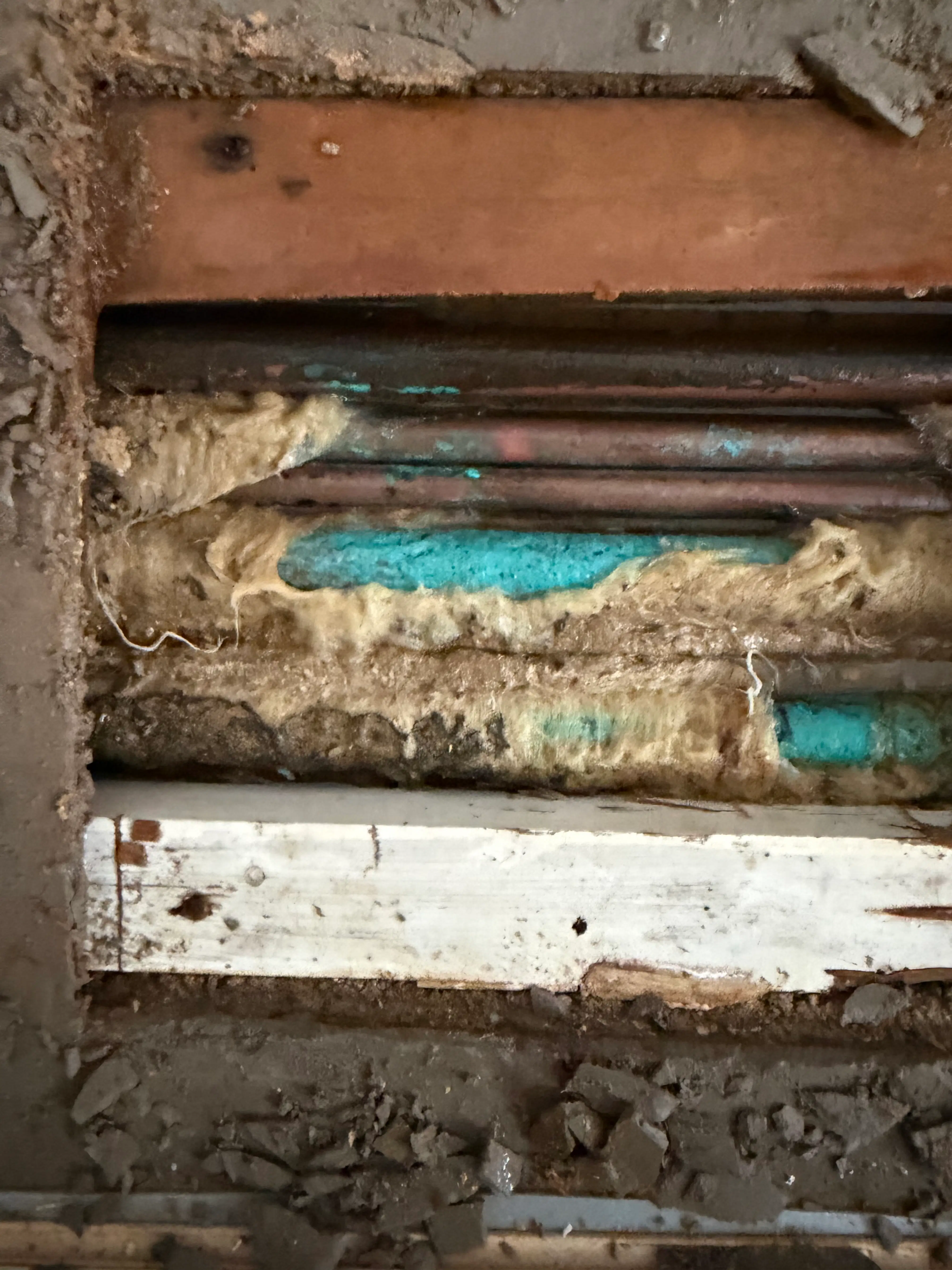
What if the engineer finds a fault?
First, ask what has been found and whether it affects safe operation, performance or future reliability. A good explanation should make clear what the concern is, what needs doing next and whether the boiler can continue to operate safely in the meantime.
Some findings may be minor or simply worth monitoring. Others may mean that a repair is recommended. The service and the repair are not necessarily the same job: parts, additional investigation, cleaning beyond the standard procedure or wider heating-system work may cost extra.
If further work is needed, ask for the proposed work and its cost before agreeing to it. The price will depend on what the boiler is, what the engineer finds, whether parts are needed and how much additional work is involved. There isn’t one honest fixed price that can cover every boiler and every fault. A service quotation should also make clear what is included, so you can compare like with like.
What does a boiler service cost?
It’s reasonable to ask for the service price before booking and to check what it covers. Does it include the manufacturer’s service procedure, combustion testing, relevant flue and safety checks, and a written record? Are repairs, replacement parts or extra diagnostic work separate?
A lower headline price may cover a narrower inspection, while a more complete service may include additional checks. Don’t be shy about asking. Knowing what’s included helps you make a fair comparison and avoid surprises if the boiler needs more than routine attention.
A boiler service is also different from a landlord’s gas safety record, often called a CP12. If you’re a landlord, check the separate requirements that apply to your property and make sure the right inspection is arranged.
Before the engineer arrives
A little preparation can make the visit more straightforward:
- Find the boiler make and model, if you can, and have any previous service records to hand.
- Make sure the engineer can reach the boiler, controls and relevant pipework.
- Mention any recent changes, such as pressure dropping, odd noises or inconsistent heating.
- Ask whether the appointment includes a written service record and what would be charged separately if further work is recommended.
Book your boiler service in Farnham
October is a practical point in the calendar to get your boiler checked before it is working harder day after day. Booking ahead gives you space to understand any findings and decide what to do next; it’s a maintenance visit, not a guarantee against every future breakdown.
Heat Eco Building Services provides heating and plumbing support across Aldershot, Farnborough, Farnham, Guildford and surrounding areas. Visit our heating and plumbing services page or contact us to discuss booking a service visit at a time that works for you.