
A damp patch under the sink doesn’t stay “just a damp patch” for long. One little mark, one musty smell, one odd drip behind a unit, then before you know it water’s found its way under the floor or through the ceiling and everyone’s asking how bad it is going to be.
We see this a lot heading into winter in Aldershot and Farnborough. Older houses, newer extensions, pipework boxed in where nobody can get eyes on it, joints hidden behind kitchens and bathrooms, bits of plumbing that have been fine for years until suddenly they really aren’t. That’s how it goes sometimes.
At Heat Eco Building Services, we deal with the real side of it. We trace the leak, make it safe, sort the repair properly, and explain what’s actually happened in plain English. And yes, sometimes the job is messy. Floors come up, bath panels come off, cupboards have to be emptied, there’s cost involved no point pretending otherwise, but we’d always rather be honest early and get to the fix than dress it up and let the damage spread.
We were on a job in Aldershot not long back where the customer thought they had a small kitchen leak. Turned out a split on a cold feed had been dripping into the void for longer than anyone realised. By the time it showed itself, the unit backs were swollen and the floor had taken a hit too. Not ideal. But we isolated it, opened up what we needed to, replaced the damaged section, checked the rest of the pipework and got them back in control. That’s the thing with indoor plumbing problems, they feel overwhelming at first, then you break it down and sort it.
What causes pipes to split?
A burst pipe is rarely completely random. Most of the time there’s been a reason brewing away in the background pressure, movement, age, a dodgy joint, freezing conditions, a bit of old pipe finally giving up. Pipes don’t usually wake up and choose chaos for no reason, do they.
1. Frost and freezing temperatures
Water expands when it freezes, and if that water is trapped inside a pipe it starts forcing outwards against the pipe wall and the joints. Sometimes the pipe actually splits while frozen. Sometimes it holds on until things thaw, then starts leaking properly once the water begins moving again. That’s why people often go to bed with no obvious problem and wake up to stained ceilings or water under the kitchen units.
The most vulnerable areas are usually:
- Loft spaces
- Garages and utility rooms
- External walls
- Pipework near outside taps
- Under kitchen units
- Unheated cupboards and boxed-in sections
- Pipes beneath suspended floors
We’ve seen this in Farnborough plenty of times, especially where an older bit of plumbing has been left in a cold void after other work was done around it. Everything looks tidy from the room side, lovely even, but behind it there’s one uninsulated run just waiting for a proper cold snap. That’s the bit that catches people out.
A bit of background heat during freezing weather helps. So does insulating exposed pipework properly. And it’s worth checking loft insulation hasn’t been laid in a way that leaves pipework sitting cold on the wrong side of it, because that happens more than people think.
2. Water hammer
That loud bang or knocking noise when a tap, washing machine valve or toilet supply shuts off quickly is usually water hammer.
What’s happening is the flow stops suddenly and the shock runs through the pipework. One bang on its own might not do much, but repeated pressure surges can stress older joints, fittings and clipped runs over time. Then a weak point starts moving, weeping, or eventually leaking.
We listen out for this stuff on jobs because the plumbing is often telling you there’s a problem before the leak shows itself. Annoying pipe noise might not be an emergency today, fair enough, but if it’s getting more frequent we’d not leave it to sort itself out.
3. High water pressure
Higher pressure can feel great in the shower, but too much pressure or pressure that isn’t being controlled properly puts stress on fittings, hoses and older sections of plumbing that maybe were never built for it.
We often find this in houses that have been updated in stages over the years. New kitchen. New ensuite. New appliance. Old pipework still buried in the middle of it all. And guess which bit gives up first. Usually not the shiny new bit everyone can see.
4. Ageing and corroded pipework
Old pipes don’t always fail in some dramatic burst-all-at-once way. A lot of the time they just wear down slowly, corrode around fittings, or develop little pinhole leaks that sit hidden for weeks or months doing quiet damage.
Keep an eye out for:
- Brown or rusty water
- Green or white deposits around joints
- Dampness inside cupboards
- Repeated problems with the same radiator or tap
- A drop in water pressure
- Pipes that look heavily stained or damaged
In older Aldershot and Farnborough homes, plumbing often disappears through walls, under floors and across older extensions where access is awkward. That’s when a “small” leak becomes an expensive one. We say this to customers all the time, the water itself is one issue, the damage it causes while nobody can see it is the bigger one.
5. Poorly fitted joints or unsuitable components
A new pipe can leak too. Bad prep, overtightened fittings, damaged seals, the wrong component in the wrong place, we come across all of it.
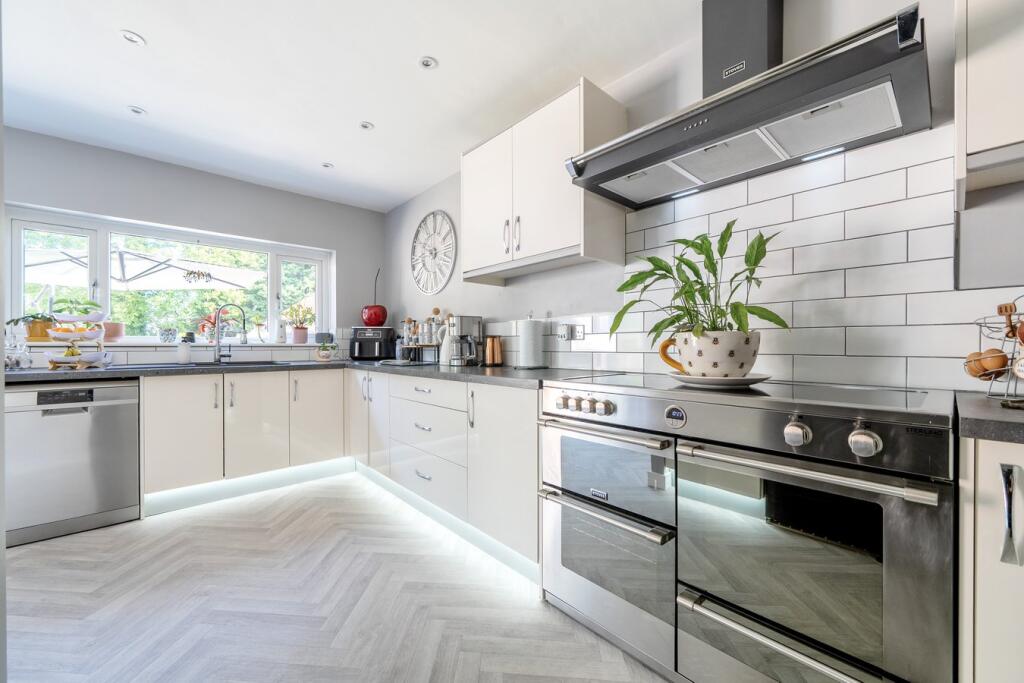
This matters most in kitchens and bathrooms where loads of connections get packed into a tight space. Dishwasher hose, washing machine feed, toilet valve, basin waste, tap tails, all hidden behind units where nobody’s checking day to day.
Good workmanship matters here, and not just because the finish looks neat. What matters is what’s going on behind the panels and under the floor, because that’s where the problems start if corners have been cut.
How to spot a hidden water leak early
A hidden leak does not always show up as a puddle. Sometimes the first clue is a smell, a stain, a warped bit of skirting, a floor that feels odd underfoot, or just the sense that something isn’t right. And usually, that instinct is worth listening to.
Check for:
- Musty smells in cupboards, bathrooms or under the stairs
- Damp patches on ceilings, walls or skirting boards
- Peeling paint, bubbling wallpaper or lifting flooring
- Mould that keeps returning
- A sudden increase in your water bill
- Hissing or dripping when every tap is turned off
- A toilet that seems to refill repeatedly
- Lower or fluctuating water pressure
- Dampness behind the washing machine or dishwasher
- Brown marks around pipe joints or radiator valves
You can also check your water meter. Turn off taps, washing machines, dishwashers and other water-using appliances, then watch the meter for a short period. If it continues moving, there may be a leak somewhere on the supply.
It’s a useful first check, but it’s still only a first check. Water travels. It runs along joists, hides behind plasterboard, creeps beneath floors, and turns up somewhere completely different from where the pipe has actually failed. That’s why a proper inspection matters.
What to do in the first hour
If you find water running or you suspect a split pipe, move quickly. The first hour is about limiting damage, not attempting some heroic repair with a random bit of tape from the drawer. We’ve all seen that go wrong.
1. Turn off the water at the stopcock
The stopcock is usually under the kitchen sink, near where the mains pipe enters the property, or in a utility area. Turn it clockwise to shut off the incoming water supply.
Then open a cold tap briefly to release pressure and make sure the flow has stopped.
If the stopcock is stiff, don’t go at it like mad. A broken stopcock on top of a leak is not what anyone needs.
2. Make electrics safe
If water is close to sockets, light fittings, appliances or the consumer unit, keep clear and switch off the electricity only if it is safe to do so. Never stand in water while reaching for electrics.
If you’re unsure, stop there and get help. Better to pause than make a bad situation worse.
3. Turn off the heating if needed
If the leak appears to involve a boiler, radiator, hot-water cylinder or central-heating pipework, turn off the heating system. Don’t start removing boiler covers or trying to repair gas appliances yourself.
If the boiler pressure has dropped or the system is leaking, get a qualified heating professional to inspect it before anything is switched back on. Heating and indoor plumbing cross over a lot on these jobs, and it’s important the whole system gets checked, not just the obvious wet bit.
4. Protect the property
Move furniture, electrical items and valuables away from the affected area. Use buckets and towels to catch what you can, but be careful around ceilings that are bulging or heavily soaked.
A bulging ceiling can become unsafe very quickly. Don’t stand under it and don’t start poking holes in it unless a professional has advised you, because that can go bad fast.
5. Take photographs and contact a plumber
Photograph the visible damage and make a note of when you first noticed it. That helps with insurance, and it gives us a clearer picture before we get there.
The team at Heat Eco carries out plumbing repairs for homeowners and businesses across Aldershot, Farnborough, Farnham, Guildford and surrounding areas. If you need us, get in touch here and we can arrange a visit.
We had a Farnborough job where water had started coming through a ceiling from a bathroom supply pipe above. The customer was understandably stressed, the landing was wet, the ceiling had started to bow, and there was that horrible moment of not knowing whether this was a quick repair or a major job. We got the water isolated, traced the failed section, opened up only what was needed, repaired it, then talked them through the drying-out side and what to watch next. Messy at first, yes. Manageable once there’s a plan, also yes.
Why bathrooms and kitchens need extra attention
Bathrooms and kitchens pack a lot of plumbing into a small footprint. Pipework behind cabinets, beneath baths, inside vanity units, under sinks, around appliances, tucked into corners where nobody looks until there’s a smell or a stain. Once a leak starts, it can affect floors, plasterboard, cabinets and electrics surprisingly quickly.
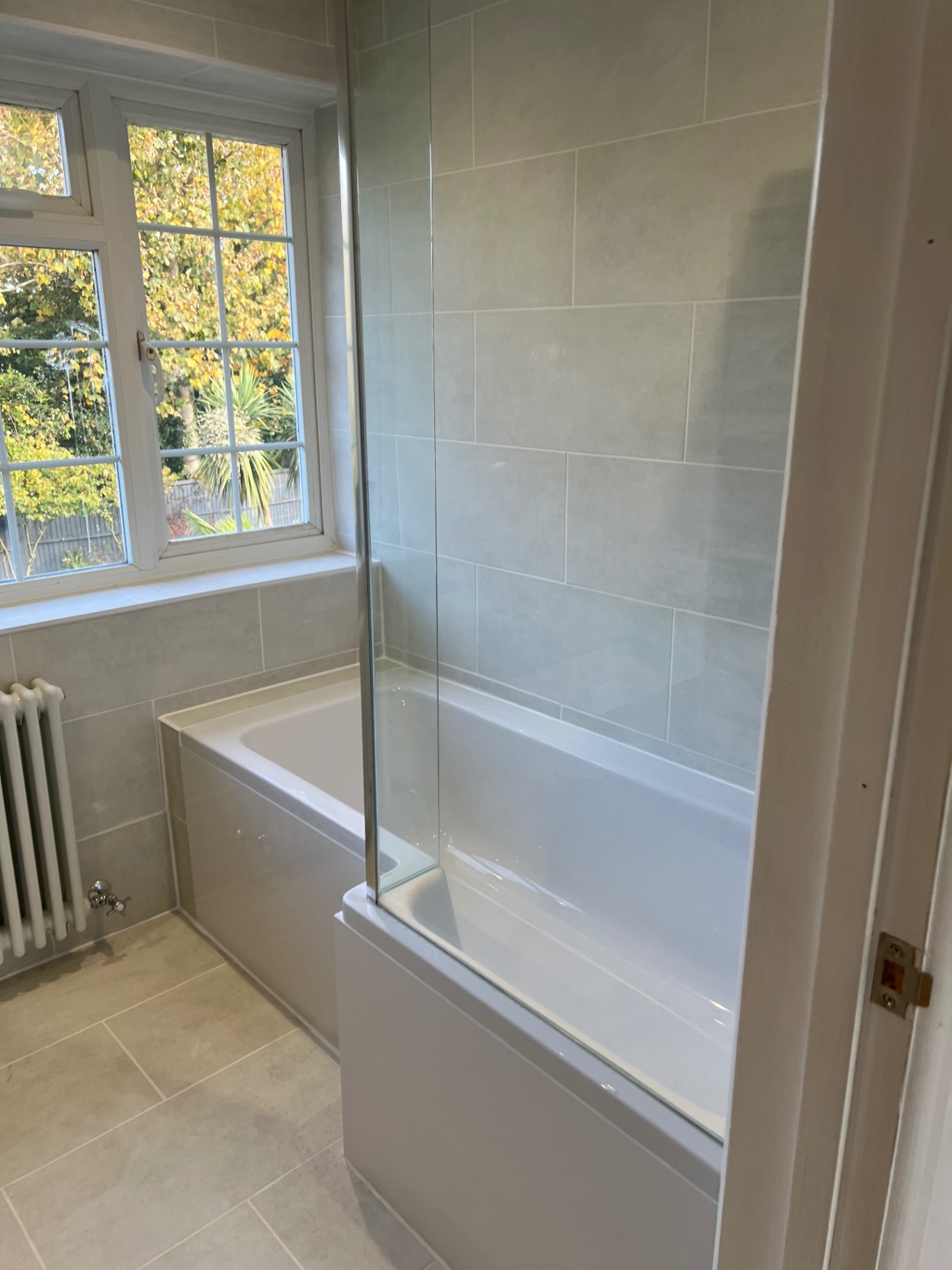
Bathroom leaks in particular can stay hidden behind tiles or bath panels far longer than most people expect. By the time the damage becomes obvious, the timber behind or the wall structure may already be damp. Same with kitchen plumbing, especially where feeds and wastes are crammed behind fitted units.
That’s why this kind of repair is not always just a case of tightening one fitting and heading off. Sometimes we need to remove an access panel, empty a cupboard, lift a section of floor, trace the route properly, replace damaged pipework and check what else the water has reached. It’s not glamorous work. It can be disruptive. But that’s how you solve the problem rather than just hiding it again.
For planned improvements, our bathroom renovation service and kitchen fitting service can also deal with old plumbing while the room is already opened up. It often makes far more sense to replace tired joints or awkward hidden runs during a renovation than wait for them to fail later. Spend a bit once, or spend more after a leak has damaged the room who wants that.
Preventing split pipes before winter
A few simple checks can reduce the risk of a winter plumbing problem. Nothing fancy, just sensible habits that can save a lot of hassle later.
- Find the stopcock and make sure everyone at home knows where it is.
- Check lofts, garages and cupboards for uninsulated pipework.
- Inspect washing machine and dishwasher hoses for bulges, cracking or corrosion.
- Look under sinks for dampness or staining.
- Check around toilets, baths and radiator valves.
- Keep a low background temperature during freezing weather.
- Open cupboard doors where pipes sit against cold external walls.
- Arrange a plumbing inspection if you hear repeated banging or knocking.
- Avoid using makeshift repairs as a long-term solution.
If a pipe has frozen, do not use a blowtorch or another aggressive heat source. It can damage the pipe and create a fire risk. Turn off the water and contact a qualified plumber.
Need help with a leak or a split pipe?
A split pipe or hidden leak can do real damage to floors, walls, kitchens and bathrooms in a short space of time. The sooner the water is isolated and the fault is repaired, the better your chances of keeping the mess, disruption and cost under control.
Heat Eco Building Services helps homeowners and businesses across Aldershot, Farnborough, Farnham, Guildford and surrounding areas with plumbing issues including leaks and split pipes. Contact us online and we can arrange a visit at a time that suits you.
We know these jobs are stressful. Nobody gets in touch about a leak because they’re having a great day. But we deal with this stuff all the time, and there usually is a way forward even when it looks rough at first.
Because nobody wants to discover a burst pipe at seven in the morning, especially when the water is already coming through the ceiling…