
So, you’re looking to add some space to your place in Guildford? Smart move. With property prices round here doing what they do, extending is usually a much better shout than moving. But if you’re going to do it, you’ve got to do it right. We aren't just talking about putting up four walls and a roof. We’re talking about future-proofing.
In this guide, which is part of our series on eco-conscious living in Surrey, we’re diving into how you can make your extension work for you for the next thirty years, not just the next three. Whether you're in Guildford, Farnham, or over in Bordon, the principles stay the same: build it tight, heat it right, and think about where your energy is coming from.
Start with the Boring Stuff (That’s Actually Very Important)
Before the fun stuff like picking out tiles for your new bathroom renovation, you’ve got to tackle the paperwork. Guildford Borough Council can be a bit of a stickler for details, especially if you’re in a conservation area or near the town centre.
Planning permission is the big one. Now, a lot of extensions fall under "Permitted Development," but you should always double-check. Getting a Lawful Development Certificate is a lifesaver when you eventually come to sell the house. Beyond that, structural engineering is where most people try to cut corners, and it’s the biggest mistake you can make. A solid structural package isn't just about keeping the roof up; it's about making sure your new house extension in Guildford doesn't cause cracks in the rest of your home.
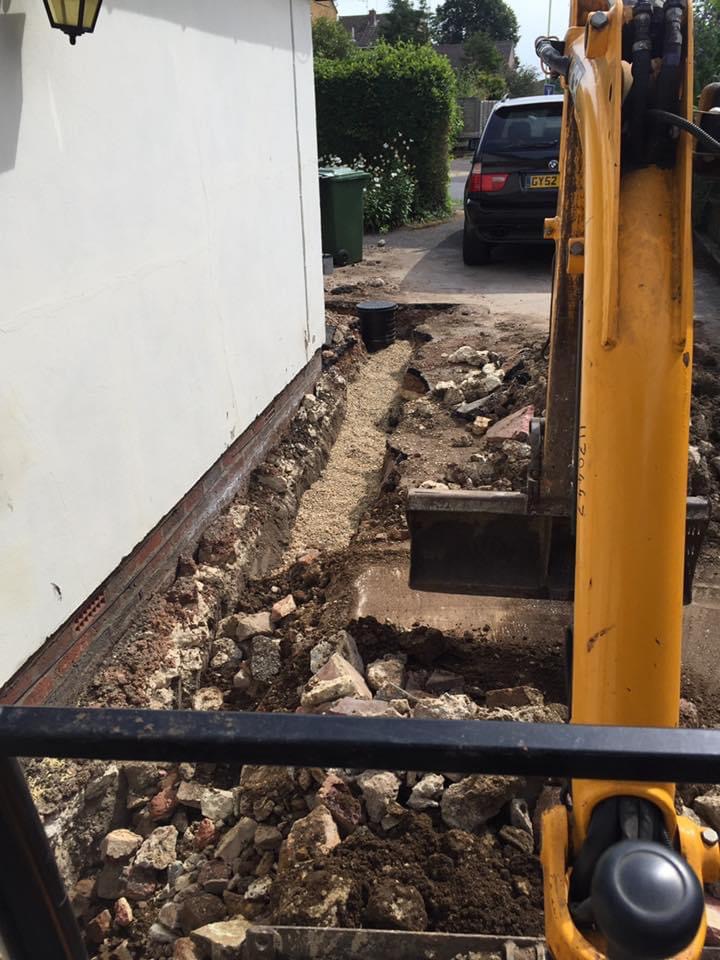
We always tell our clients: the groundwork is where the magic starts. If the foundations aren't right, nothing else will be. This excavator here is busy prep-ing for a project that’ll last a lifetime. It’s messy, it’s loud, but it’s the heartbeat of a good build.
The Energy Revolution: Heating Your New Space
This is where things have really changed in the last few years. If you’re still thinking about just sticking a couple of radiators on your old boiler and calling it a day, you’re missing a trick. Future-proofing means thinking about the ban on gas boilers in new builds and the rising cost of energy.
Air Source Heat Pumps (ASHP)
If you have the space outside, an air source heat pump is the gold standard for eco-friendly heating. It’s basically like a fridge in reverse. It takes heat from the outside air (even when it’s freezing!) and pumps it into your home. It works best with underfloor heating because it runs at a lower temperature than a traditional boiler.
Solar PV and Battery Storage
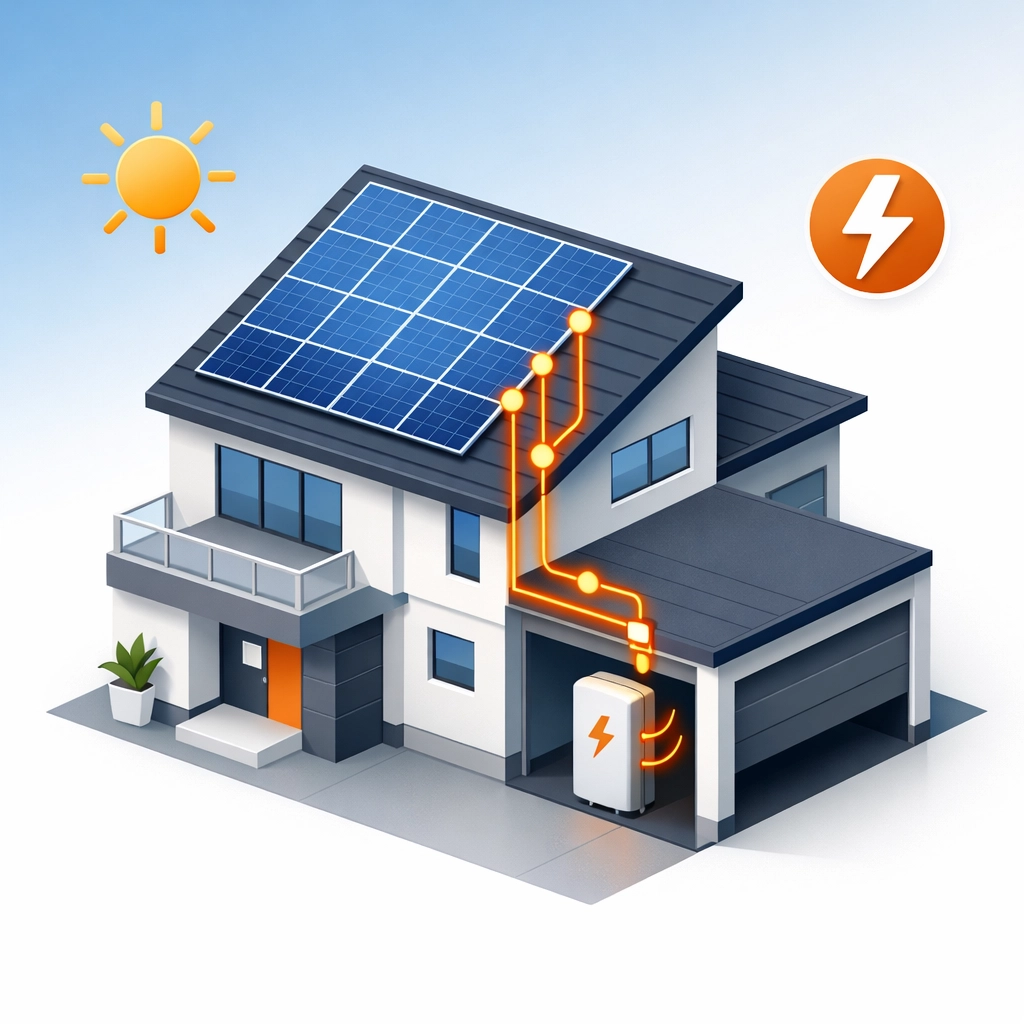
Why pay for electricity when you can make your own? Guildford gets a decent amount of sun (believe it or not), and PV solar panels are cheaper than they’ve ever been. When you’re extending, it’s the perfect time to look at the orientation of your new roof. If it’s south-facing, get those panels on there. Pair them with a battery storage system, and you’ll be using your afternoon sunshine to power your TV and lights in the evening.
Underfloor Heating: The Invisible Luxury
Who wants a nasty radiator taking up wall space in there house these days? Not many people. If you’re doing a ground-floor extension, underfloor heating is a no-brainer. It provides a much more consistent heat, it's more efficient, and it feels lovely on your feet on a cold Surrey morning.
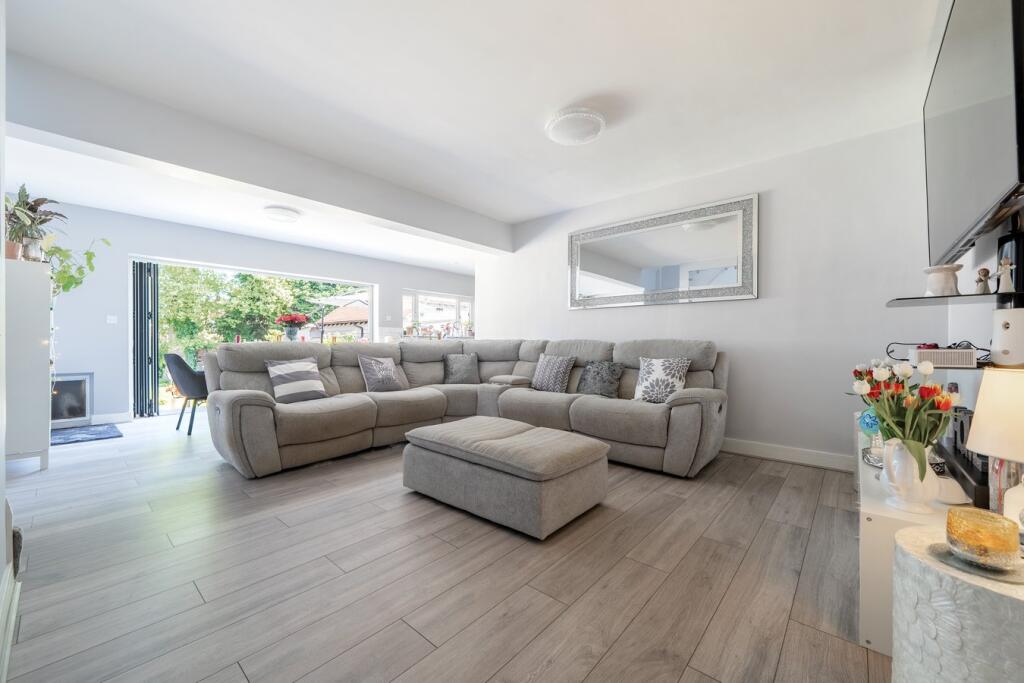
As you can see in this recent project, the lack of radiators makes the room feel so much bigger. It allows for those big, beautiful windows and bi-fold doors that everyone wants in a modern extension. It’s about creating a space that feels open and airy but stays cozy.
Smart Home Integration
If you’re pulling down walls and ripping up floors, that is the time to run cables. Don’t rely on Wi-Fi for everything. It might be fine now, but as we get more and more gadgets, your bandwidth is going to struggle.
We recommend "structured cabling", basically running Cat6 cables to every room. This allows you to have a hardwired connection for your smart TV, your home office, and your security cameras. You can also integrate:
- Smart Thermostats: Control the heat in each room individually from your phone.
- Automated Lighting: Set the mood and save energy by having lights turn off when nobody’s in the room.
- Security: Integrated cameras and doorbells that talk to each other.
The Heart of the Home: Kitchens and Utilities
Most extensions in Guildford are built to create a bigger kitchen-diner. It’s the heart of the home, where all the cooking magic happens. When you're planning your kitchen fitters visit, think about the plumbing and the boiler location.
If your current boiler is more than 10 years old, it’s probably worth upgrading to a high-efficiency model or looking at a hybrid system. A hybrid system uses a heat pump for the bulk of the work but has a gas boiler to kick in on those super-cold days or when you need a massive amount of hot water all at once.
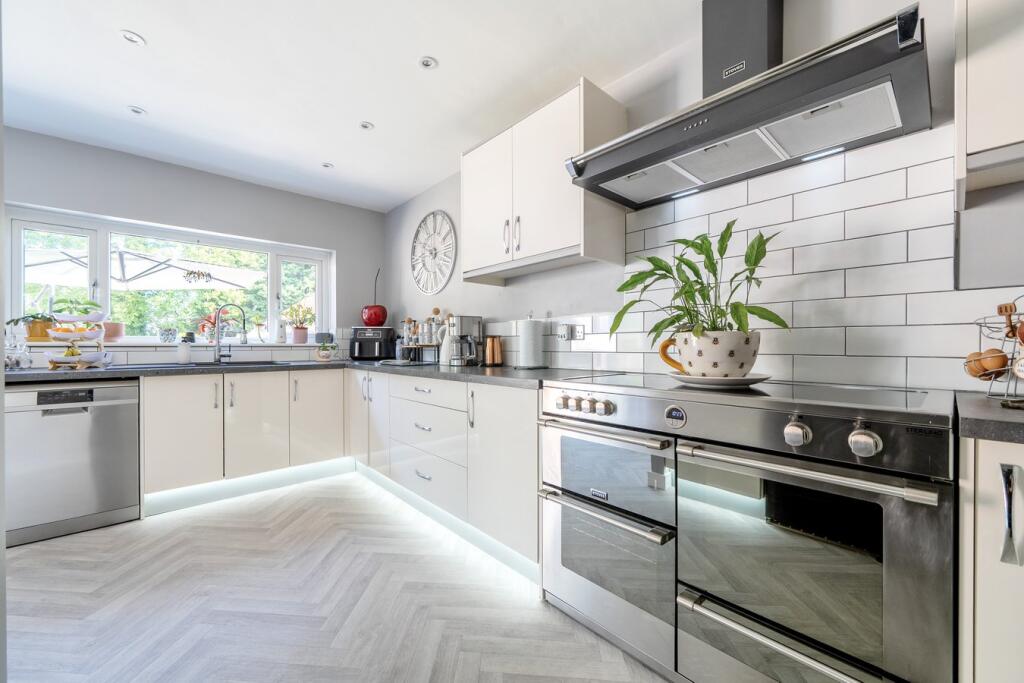
Notice how the boiler in this setup is tucked away, but it’s a top-of-the-line energy-efficient model. It’s connected to water-saving fixtures which help keep the utility bills down. It’s all about those small choices that add up to a big difference.
Designing for Value (and Light!)
A well-designed extension can add up to 20% to your property's value. In Guildford, that’s a significant amount of money. To get that value, you need to think about flow and light. Dark, poky rooms are out; open-plan, sun-drenched spaces are in.
Think about "indoor-outdoor living." This isn't just a buzzword; it's a way of life. Using large glass doors that open onto a landscaped garden makes your living space feel twice as big.
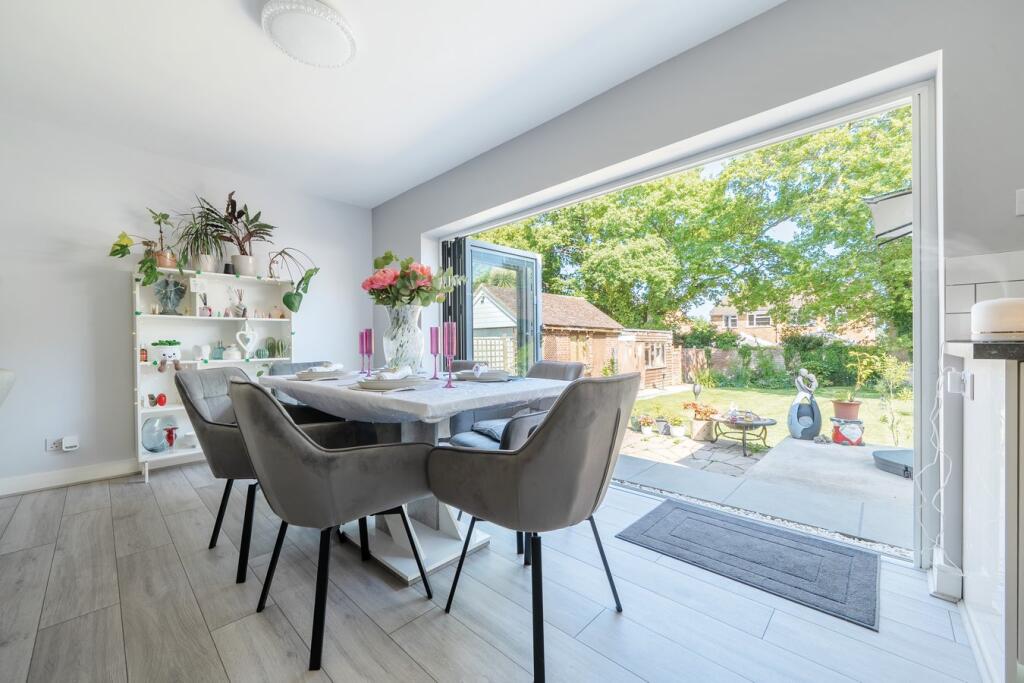
Look at the light in this dining area. By using high-performance glazing, you keep the heat in during the winter but let the light flood in all year round. It’s a perfect example of how modern construction techniques can enhance your lifestyle. If you're thinking about the garden too, we even handle landscaping to make sure the outside looks as good as the inside.
Timeline and Budget: Keeping it Real
We’ve all seen the horror stories on TV where a three-month build turns into a year-long nightmare. The secret to avoiding that is clear communication and a realistic budget.
A standard single-storey extension usually takes between 10 to 16 weeks, depending on the complexity. A double-storey can take six months or more. You’ve got to factor in time for the "drying out" period before you start decorating, too.
And budget? Always have a 10-15% contingency fund. You never know what you’re going to find once you start digging or peeling back the old plaster. Maybe the old wiring is a mess, or the drains aren't where they’re supposed to be. Having that "just in case" money keeps the stress levels down.
Why Heat Eco?
We’ve been working across Surrey for years, from heat pump installations in Farnham to emergency boiler repairs in the middle of Guildford. We know the local houses, we know the local soil, and we know what works.
Our approach is collaborative. We don't just turn up and start swinging hammers. We sit down with you, Michael and the team, and we figure out what you actually need. Whether it's a garage conversion to create a home office or a massive wrap-around extension, we treat every job like it's our own home.
Ready to Build the Future?
Future-proofing isn't a luxury anymore; it's a necessity. It’s about building a home that’s comfortable, cheap to run, and kind to the planet. If you’re ready to start your journey, or if you just want to pick our brains about whether a heat pump is right for your Guildford terrace, give us a shout.
We’re always happy to chat through ideas. You can check out our gallery for some inspiration or contact us directly to get the ball rolling. Let's build something great together.
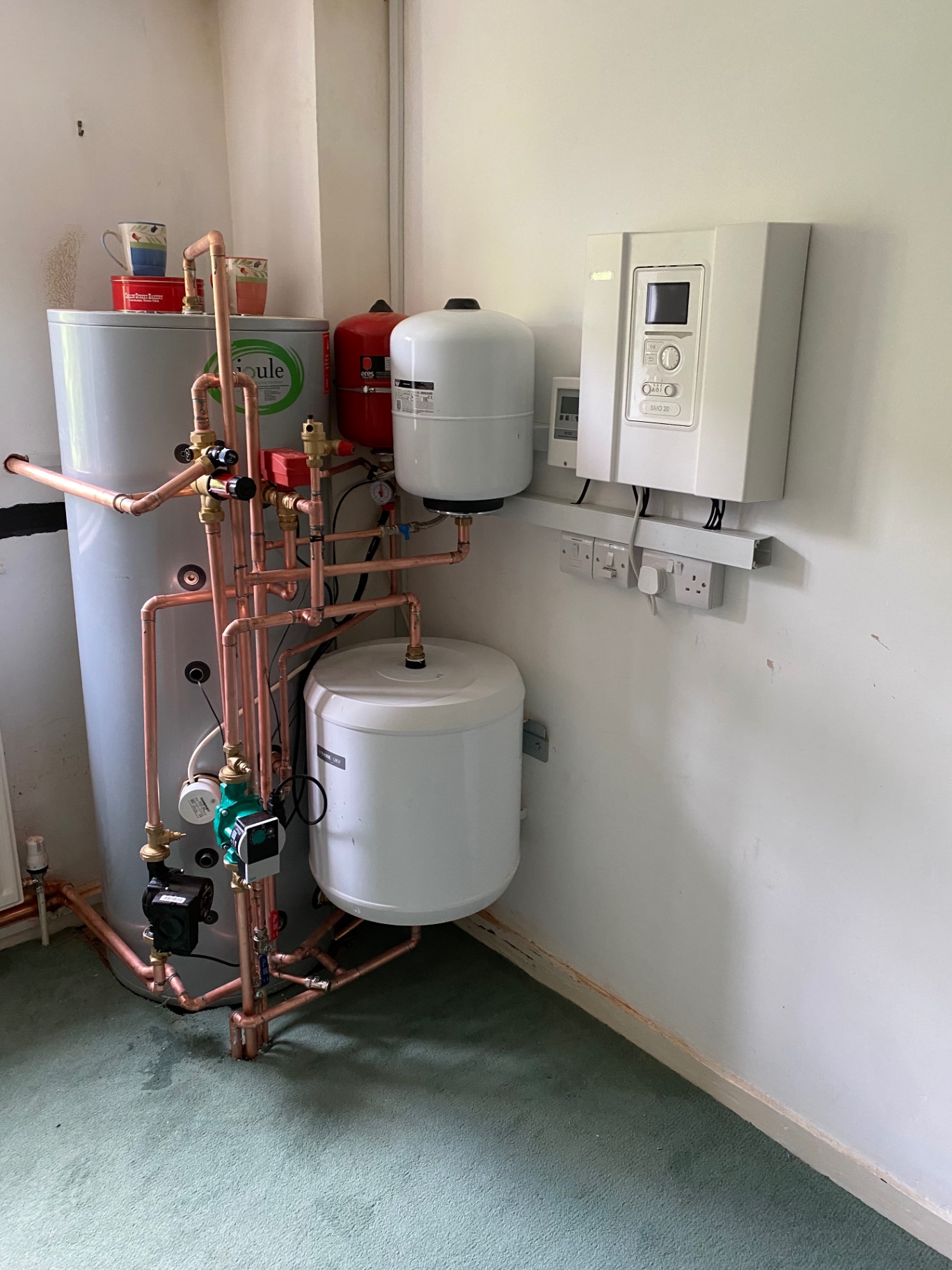
The results speak for themselves: organized, efficient, and ready for whatever the future of home heating looks like. Don't leave your extension to chance; make sure it's built to last.